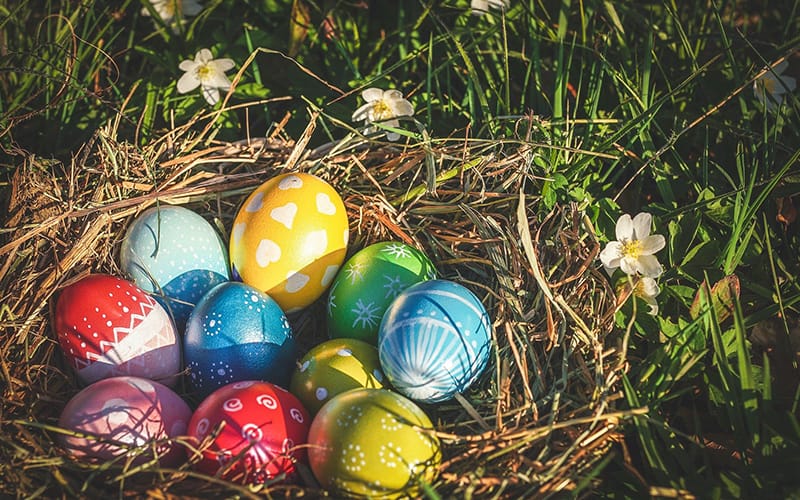
Easter this year will certainly be celebrated in a much different manner from previous years.
Church services are now shifting to online platforms and Easter meals will have to be eaten away from the company of extended family.
It’s still a meaningful Sunday for many people and over the centuries, many traditions have formed around this holiday.
Here are five unique Easter traditions practised in countries from around the world:
1. Italy
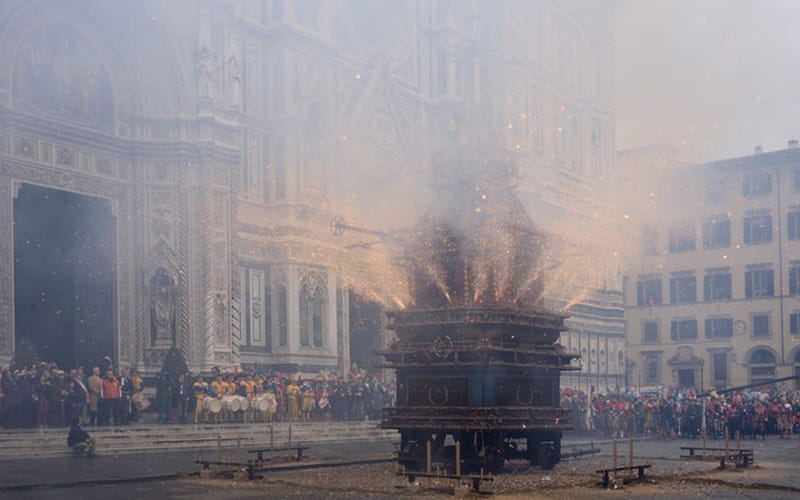
The citizens of Florence literally have an explosive Easter.
A tradition that harkens over three centuries back, the Florentines celebrate Easter with “scoppio del carro”, which translates to “explosion of the cart”.
A cart is stuffed with fireworks before being dragged by revellers dressed in Renaissance period costumes, to the entrance of the city’s famous Cathedral of Santa Maria del Fiore.
There, the Archbishop of Florence lights a dove-shaped rocket that will fly into the cart and ignite the fireworks.
What follows is a bright and vibrant display of fireworks shooting into the skyline.
It is said that if everything goes according to plan, the city can expect a good harvest for the year.
2. France
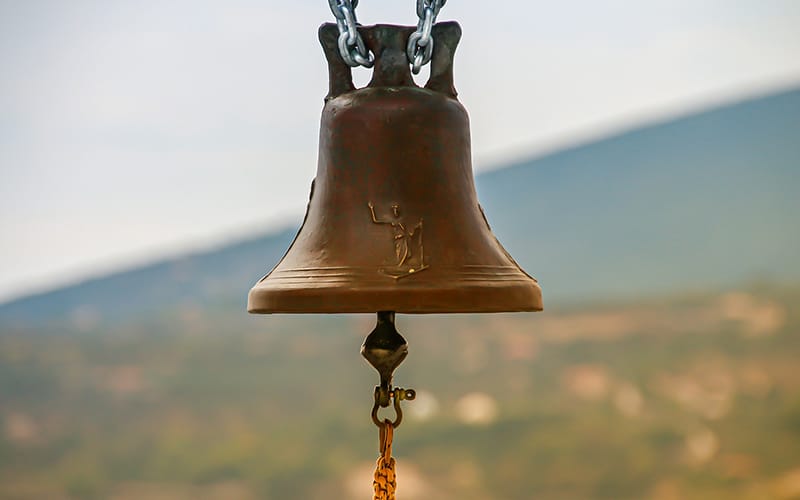
Church bells in France fall silent on the Thursday before Easter, to mourn the death of Jesus on the cross.
They will only ring once it’s Easter Sunday as according to the Bible, Jesus was brought back to life.
In place of the Easter Bunny, it is the Easter bells that supposedly brings Easter eggs to French children.
According to an old legend, the bells apparently fly off to Rome to receive a blessing from the Pope.
On the way back, they collect eggs to be distributed to the children of their respective towns and cities.
3. Australia

The Easter Bunny is not part of the Easter culture in the Land Down Under, due to the fact that rabbits are considered an invasive species here.
Australians have instead associated Easter with a similarly cuddly, but native and endangered marsupial called the Bilby.
The Easter Bilby thus takes centre-stage during the Easter holiday, with edible chocolate figurines of the Bilby being widely available during this time.
Conservationists tied in to the holiday with efforts to raise awareness about the welfare of the animals.
Proceeds from chocolate sales go into wildlife funds dedicated for this purpose, though the tradition has become rather niche with declining production and sales of chocolate Bilbies.
4. Brazil
Much of Latin America remains particularly pious and most countries in the region are devoutly Catholic.
Hence, Easter celebrations in South and Central America are lively affairs with much revelry and feasting as well as quiet religious observance.
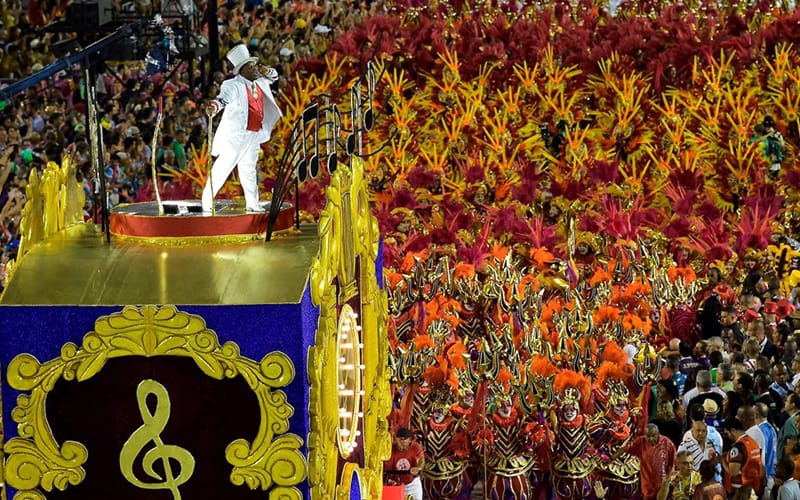
The renowned Carnival celebrations are in fact organised to mark the beginning of Lent, the period of 40 days leading up to Easter.
During Pascoa, the Brazilian word for Easter, family members exchange Easter eggs, or rather, chocolates which are much cheaper and easier to find.
For the week leading up to Easter Sunday, Brazilian households will abstain from eating meat and eat fish instead.
5. Greece
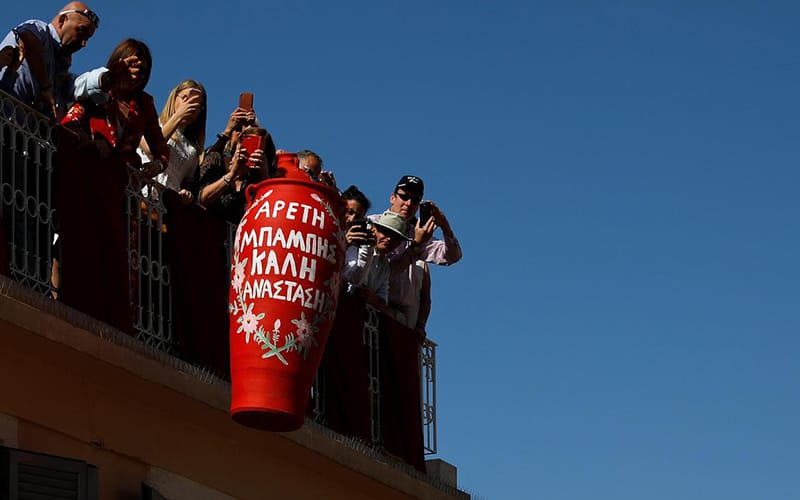
The Greek city of Corfu observes this religious holiday by hurling pots and other earthenware out of their windows.
While the origin of this custom remains uncertain, some say it harkens back to ancient Greek times when farmers threw away their oil pitchers to fill new ones with the fresh fruit of spring.
One theory suggests that it is an old tradition where people throw out their old belongings in hopes that the New Year will bring them newer and better possessions.
As pots come crashing down, bands play merrily as they parade through the city’s streets.
Come midnight, hundreds of candles will be placed on balconies and windowsills in a city-wide display of light.