Cats are often said to have nine lives, but that doesn’t mean they’re immortal. Researchers at the UK’s Royal Veterinary College and the National Chung Hsing University in Taiwan have studied the life expectancy of pet felines, and found that some breeds stand the test of time better than others.
The experts analysed data from UK veterinary practices on 7,936 cats who died between 2019 and 2021. It emerged that cats have an average life expectancy of 11.7 years. Females tend to live longer than males, with a lifespan of 12.5 years versus 11.2 years.
Crossbreds – that is, those born to parents of different breeds – have a longer life expectancy than those with a purer pedigree. They reach an average of 11.9 years, compared with 10.4 years for pedigree cats.
In their paper, published in the Journal of Feline Medicine and Surgery, Dr Kendy Teng and colleagues rank the breeds most likely to live longest.
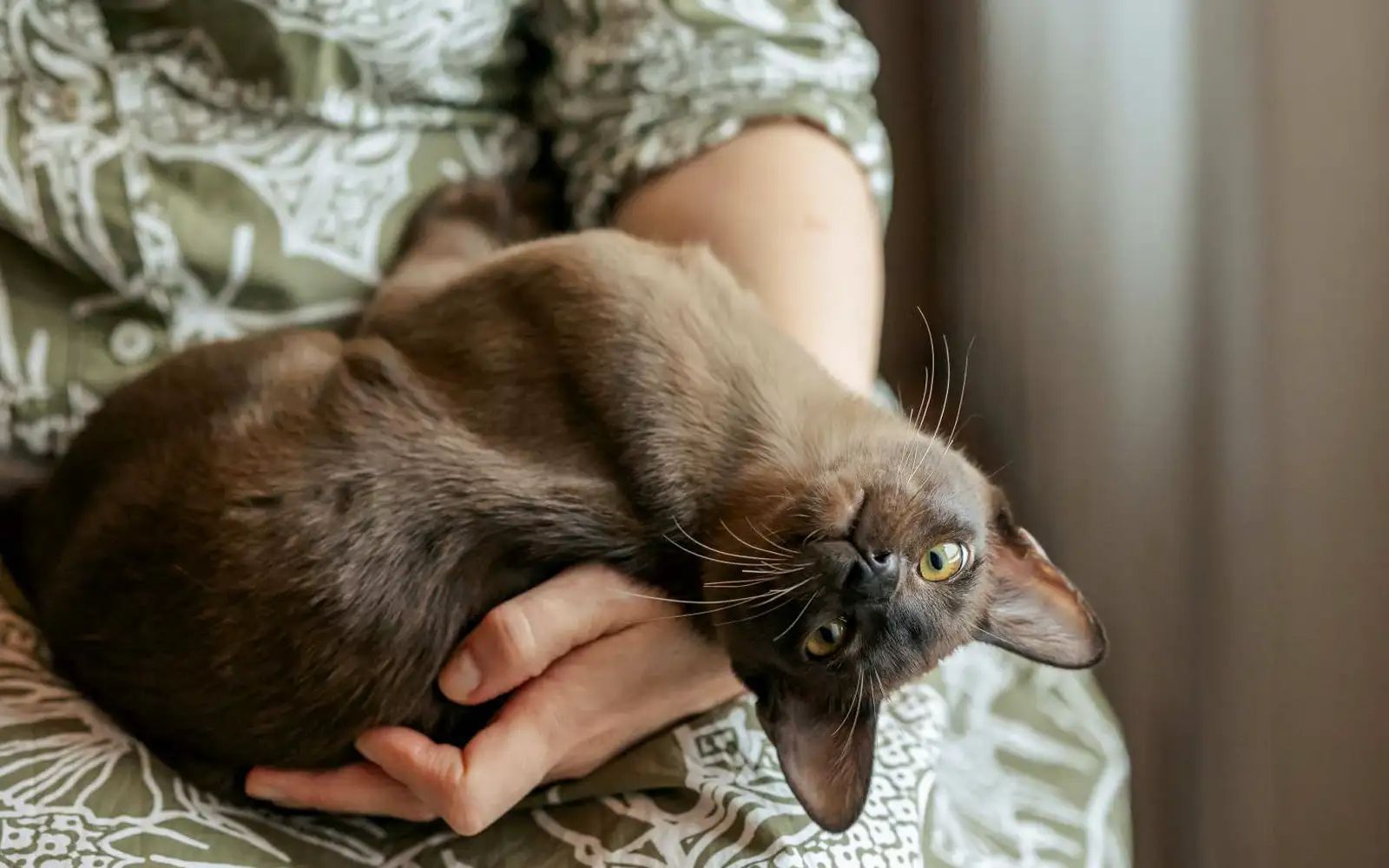
The Burmese breed tops the list, with an average life expectancy of 14.4 years, while the Siamese breed has a lifespan of around 11.7 years, compared with 10.93 years for Persian cats.
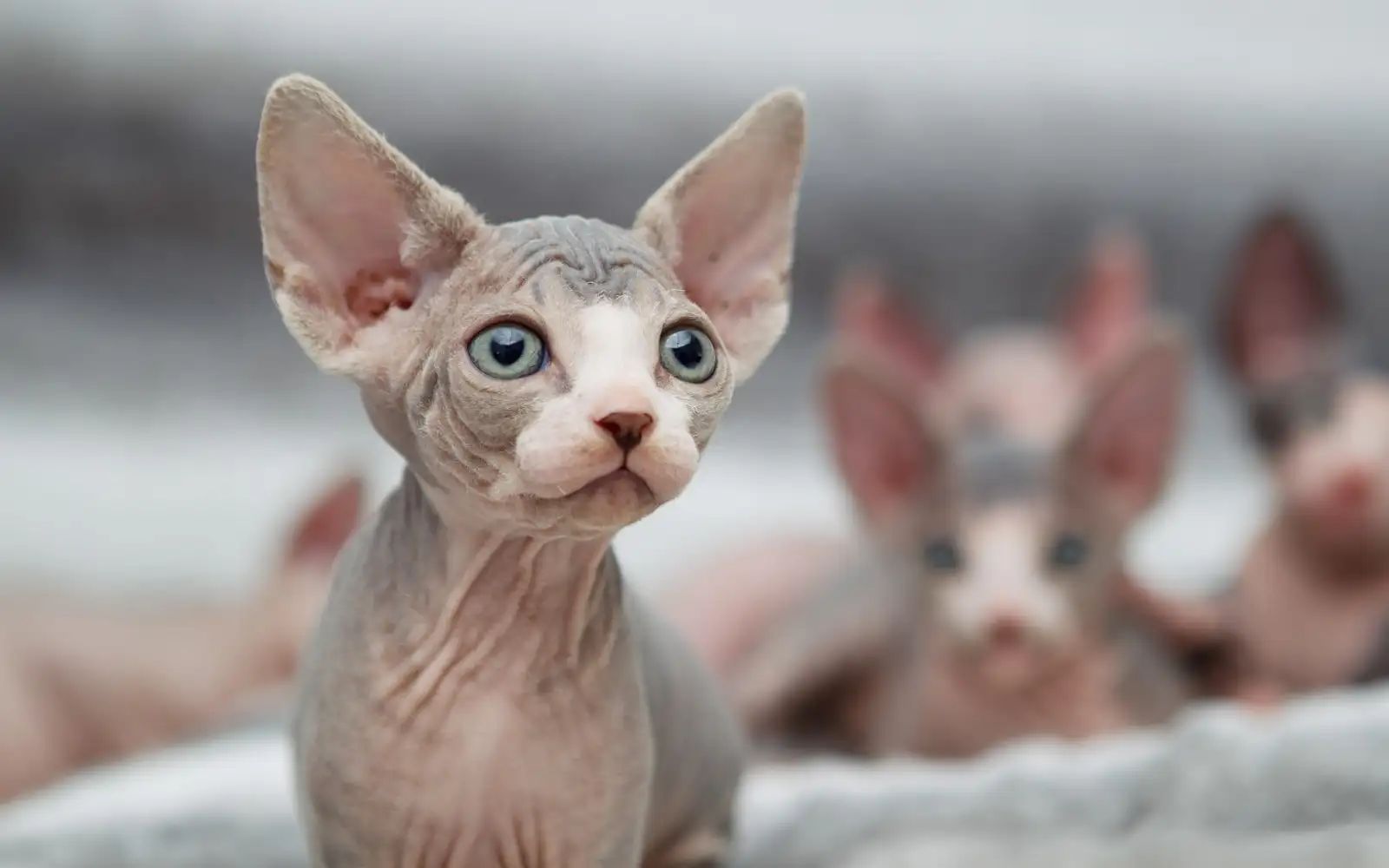
But the breed least likely to live to a ripe old age is the Sphynx: the life expectancy of this atypical-looking cat is no more than seven years. That’s almost two years less than the Bengal, a slender, very muscular breed that lives an average of 8.5 years.
However, it’s important to bear in mind that these figures are only averages – living and health conditions play a decisive role in a cat’s longevity. Apartment cats, for example, tend to live much longer than strays.
Similarly, cats with access to the outdoors have a shorter average lifespan as they are exposed to many potential dangers, such as road accidents, infections, poisoning, and attacks from other animals.
Nevertheless, these estimates may be useful for people wishing to adopt or buy a cat. “Knowing the expected lifespan of their cats, we’re not just raising awareness, we’re helping the owners to make ‘pawsitive’ decisions for their cats,” Teng said.
Some cats defy the odds and live far longer than anyone could have imagined. The longevity record for a cat is held by a tomcat named Creme Puff, according to Guinness World Records.
Originally from Texas, this feline died in 2005 at age 38 – equivalent to a “human age” of 168 years!