
What IS known is that Bangladesh is one of the world’s leading exporters of readymade garments, textiles, and leather goods. But pay a visit to the capital and you will discover a vibrant and intense shopping scene that will cater to your every fancy.
New Market – which is actually one of the oldest and most popular marketplaces – and its surroundings of New Super Market, Chandni Chowk and Gausia Market are often teeming with people buying all kinds of goods: clothes, fabrics, ornaments, watches, gifts, shoes, stationery, books, household goods, toys and electronics.
A Dhaka tour is incomplete without visiting this location where the neverending shops and vast array of merchandise are sure to dazzle you.
Not far from this bustling hub is Bashundhara City, one of the capital’s largest shopping malls. It has zones dedicated to different categories of products, such as electronics, apparel, abayas and hijabs.
Not sure if you should be using your credit or debit card? A money changer is conveniently located on the ground floor. And when hunger strikes, head to Bashundhara’s food court, which offers a vast array of Bangladeshi and Asian cuisine.
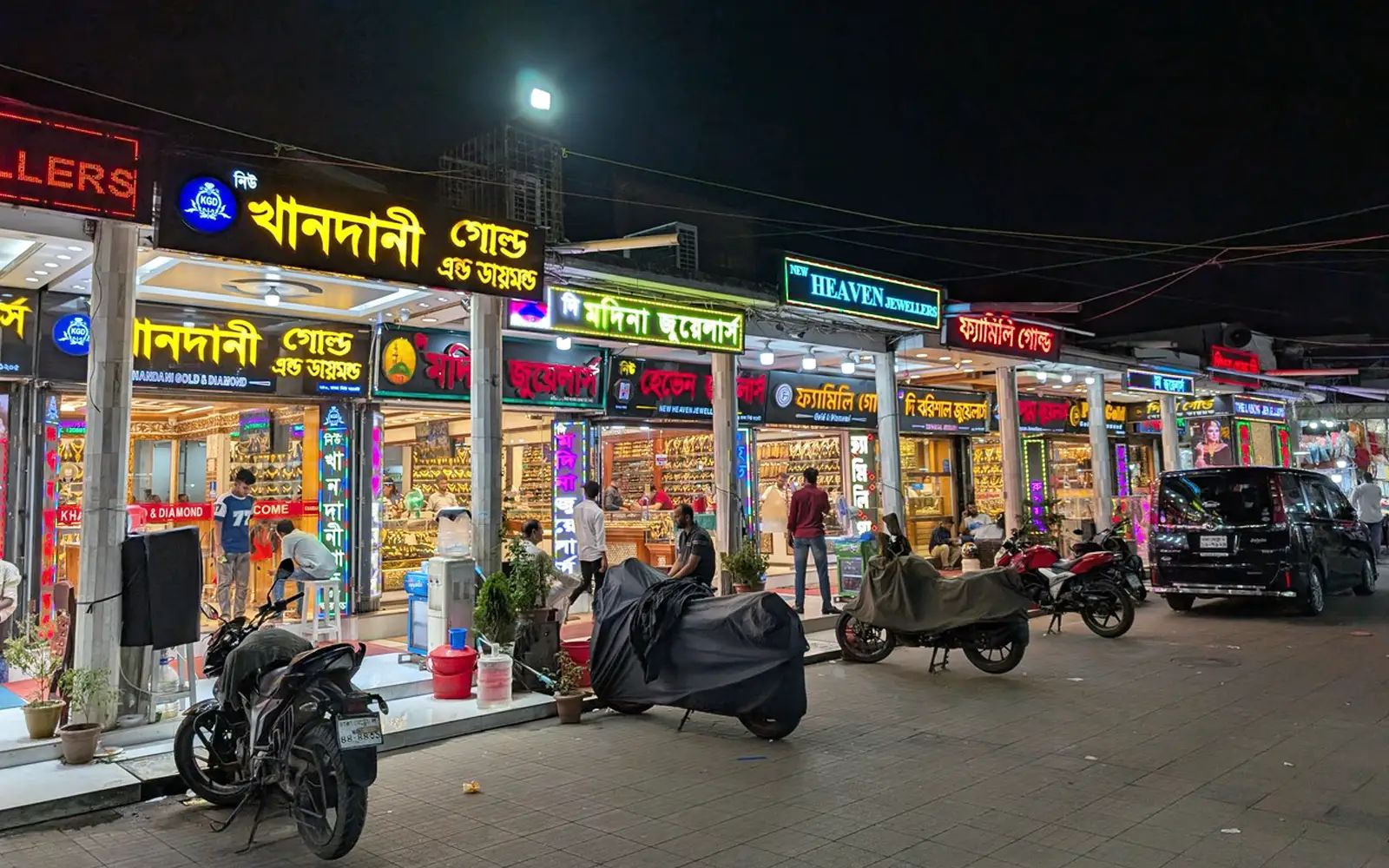
Another shopping haven is Jamuna Future Park, the nation’s biggest mall and one of the largest in South Asia. Here, you can spend plenty of time – and money – choosing from a wide variety of local and imported brands.
Also popular in the Gulshan area are Police Plaza, Concord Shopping Mall, and Pink City Shopping Complex. Truly, Dhaka’s shopping scene is lively and extensive, and it could take you several days to explore its most interesting spots.
That said, you will likely need to to plan your visit to Dhaka carefully. The city’s traffic-clogged roads can be frustrating: with 23 million residents, the metropolitan area ranks among Asia’s largest conurbations, and is one of the most densely populated in the world.
Traffic jams in this slow-moving city can teach you that patience is indeed a great virtue – and that says something, coming from a Malaysian!
One might get caught in gridlocks of rickshaws – both electric and traditional, the latter powered with natural compressed gas – during peak hour, or in a stop-and-crawl of more than two hours after arriving on a bus from the seaside tourist town of Cox’s Bazar.
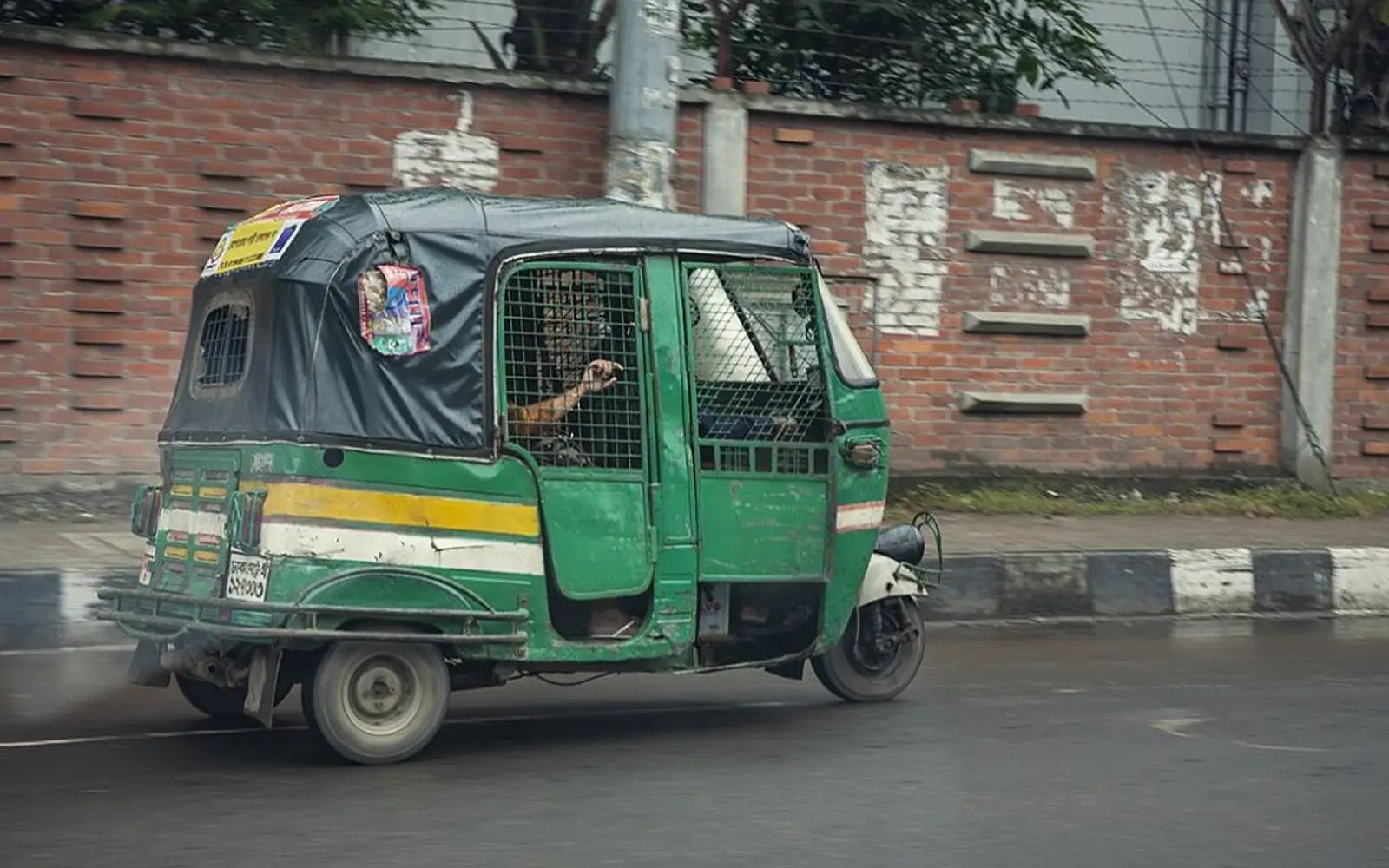
Thankfully, you can manage Dhaka’s traffic by not being on the road during rush hour and by adjusting your schedule according to congestion conditions afforded to you by map applications.
Speaking of rickshaws, these are great for travelling short distances as they offer better manoeuvrability when road conditions become difficult.
Where you stay in Dhaka can also determine what kind of experience you have in this megacity. The upscale Gulshan, Banani, and Dhanmondi neighbourhoods are often preferred by foreign visitors.
These locations are comparable to some of Kuala Lumpur’s best areas, with nice hotels, impressive corporate towers, diplomatic missions, and high-end restaurants ensuring a thrilling and memorable visit!