
But suddenly, after much tinkering, the lamp flickered back to life. The workshop participants, previously heavy with disappointment, immediately erupted in cheers.
“Doctor, you saved the light!” one person exclaimed. It sounds dramatic for a standing lamp but at that moment, all that mattered was it worked. And somehow, that felt like a small miracle.
Moments like these are what define Jom Repair.
Run by Zero Waste Malaysia, an NGO aiming to build a waste-free and sustainable future, these monthly workshops create a space for people to slow down, open things up, learn – sometimes painfully – how modern appliances work, why so many of them fail, and ultimately how they can give it a second chance.
“We want to cultivate the repair culture,” Khor Sue Yee, co-founder and director of Zero Waste Malaysia, told FMT Lifestyle.
“These days, because of the rise of e-commerce post-pandemic, people easily throw away an item and buy a new one if it is broken. Which is why we wanted to bring back this Kemahiran Hidup-type of classes and teach our community how to repair them,” she said.
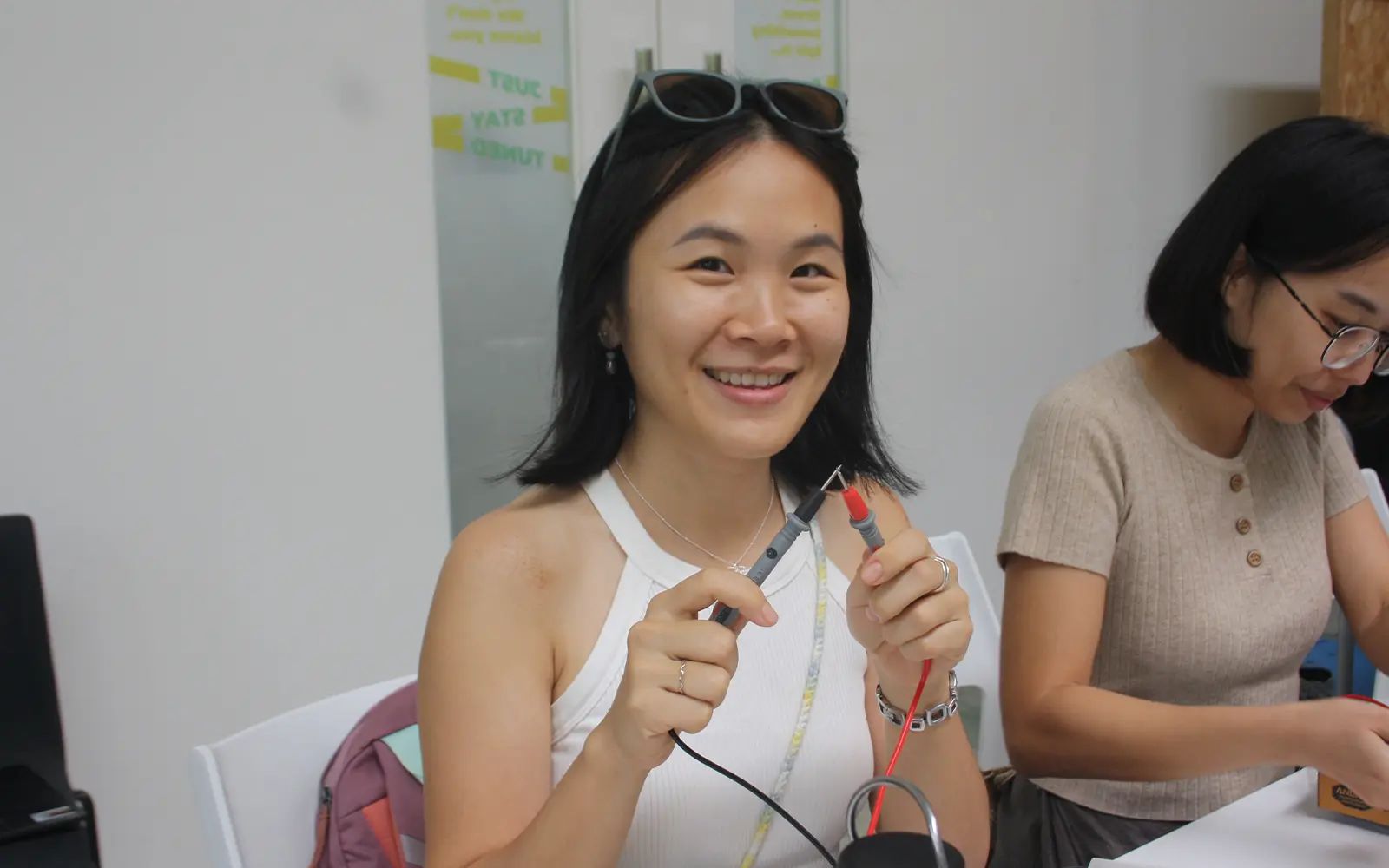
Ranging from 18-45 years old, participants bring personal items that no longer work, ranging from fans, rice cookers, lamps, air fryers, and bread makers to name a few, hoping to get them fixed.
The programme runs in two formats: three-hour public workshops, and full-day training sessions for those who want to go deeper. Graduates of the training return as volunteer “repair cadets”, helping guide others through the repair process.
“The goal is that slowly, people won’t be relying on us anymore,” Khor said. “We want many people who feel confident enough to teach others. That’s what success looks like for us.”
At the same time, Tasha Sabapathy, Zero Waste Malaysia’s senior programme and communications officer, said: “We don’t guarantee every single thing will be repaired.”
She added that it was “more about troubleshooting and learning together. If it works, that’s great. If it doesn’t, people still walk away understanding their item better.”

That distinction matters. Some leave with working appliances. Others leave with screws in small plastic bags and a clearer understanding of why their item did not survive.
“What we also wanted to cultivate is that sense of community and belonging. Some of the things people bring have sentimental value and when it gets fixed, everyone celebrates,” said Khor.
Still, the biggest challenge comes before any wires are touched.
“A lot of the time is actually spent dismantling the product. So people think it’s difficult or impossible,” Tasha shared. “Once it’s dismantled and you look inside, sometimes it’s just cleaning a part, or cutting a wire and rewiring it.”
That realisation is empowering. Tasha recalled participants who arrived “very clueless”, only to return later with confidence – and proof.
“One of our cadets messaged our group saying she managed to repair one of the broken toys all by herself,” Tasha said. “From someone who wasn’t very sure about repair, suddenly she could fix something on her own. That was a wow moment for us.”
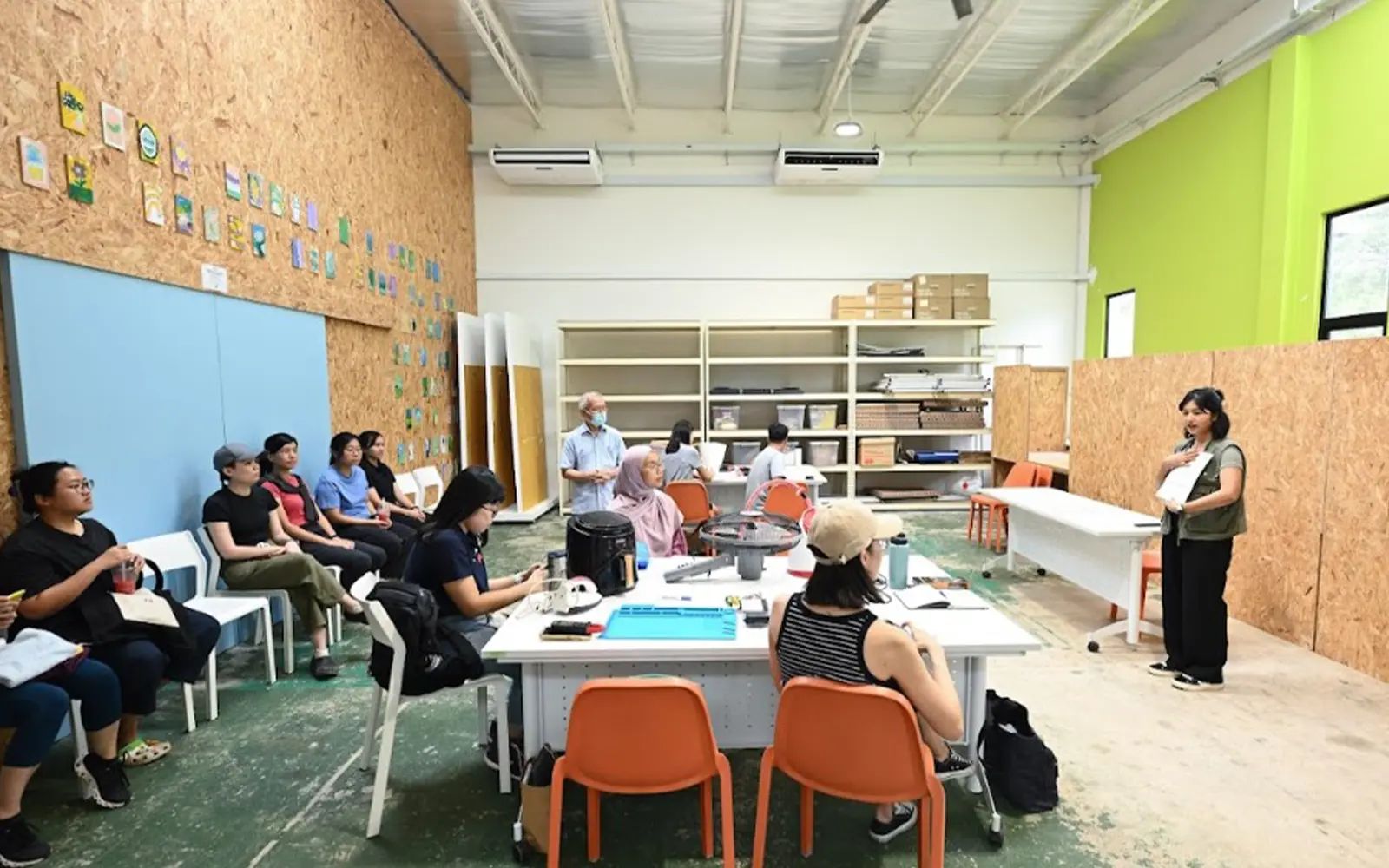
There are quieter stories too. One elderly father attended the full eight-hour training after his children saved money to pay for it. He said little throughout the day, but stayed until the end.
“He looked quite happy,” Tasha said. “Very quiet, but he sat through the whole course.”
Then there are the moments of shared joy – the lamp that lights up, the cheers that follow.
“It sounds ridiculous,” Khor said. “But when something gets fixed, everyone celebrates. Even though it’s not their item. No one is doom scrolling. Everyone is just focused on that one thing.”
Ultimately, success for Jom Repair is not about fixing more appliances, but about stepping away.
“People don’t need to be experts, they just need to know where to begin. I hope more people can come and realise, ‘actually, I can fix this’,” Khor concluded.
Follow Jom Repair on Instagram.