
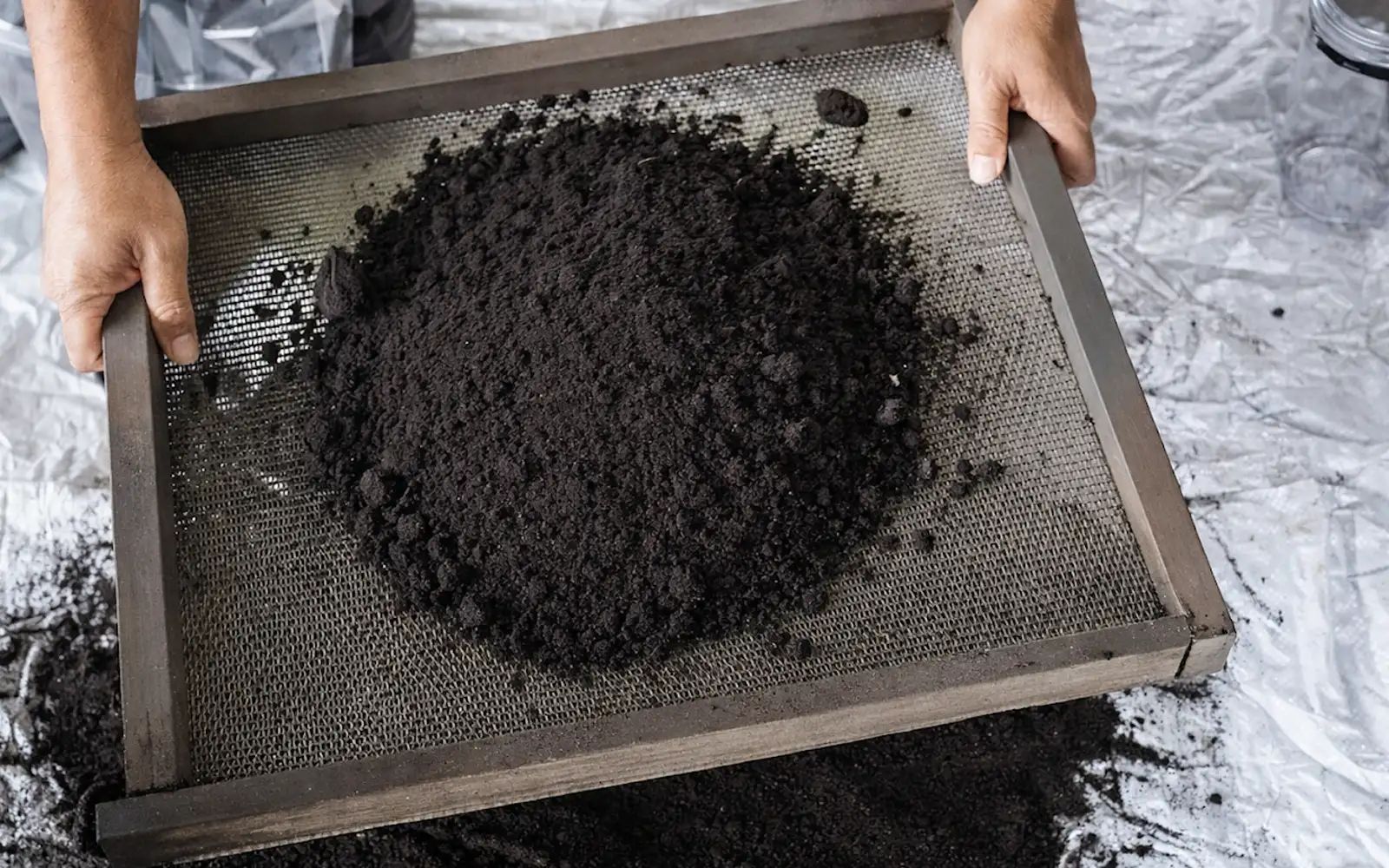
“Don’t be surprised, but this black fertiliser is actually biosolids processed from human waste and turned into compost,” said Mariam, one of 20 participants of the Insentif Pendapatan Rakyat programme under Koperasi Kebuniti Selangor.
The results are clear: during a recent visit, Bernama found crops such as papaya, eggplant, chillies, spinach, water spinach and bitter gourd growing well.
“Not only do the plants grow faster, the yields are also higher,” Mariam noted, adding that she was initially taken aback upon learning about the source of the fertiliser.
“At first, when I found out it came from human waste, I was shocked. But once I understood it was safe to use, my mindset changed,” the 55-year-old shared, adding that the compost is mixed with NPK-brand fertiliser before being applied to crops.
Every day, Malaysia’s sewerage system produces large volumes of biosolids from wastewater treatment. Previously sent to landfills, these by-products have become increasingly costly and difficult to manage.
In response, national sewerage company Indah Water Konsortium (IWK) launched a pilot project in 2022 to process biosolids into organic fertiliser.
While the idea may seem off-putting, IWK notes that countries including the United States, Japan, Australia and several European nations have long used treated biosolids in agriculture under strict safety standards.

IWK chief operating officer Ir Mohd Taufik Salleh explained that biosolids are fundamentally different from raw human waste. “Wastewater is treated using biological processes before the sludge undergoes further stages such as stabilisation and drying,” he told Bernama.
“These processes ensure the final product is stable, odourless and safe for reuse in accordance with prescribed standards.”
He added that the fertiliser is rich in organic matter, nitrogen, phosphorus and essential micronutrients, making it suitable for agriculture, landscaping and soil rehabilitation.
From plant to plot
With an investment of RM4 million, IWK and the sewerage services department began producing the fertiliser in 2023 at the Titiwangsa sewage treatment plant, following research and development with local universities.
The fertiliser was then supplied to Kebuniti to test its effectiveness under real farming conditions.
Kebuniti chairman Mohamad Roff Mohd Noor said participants were initially sceptical, particularly from a syariah perspective.
“The concern was whether fertiliser sourced from human waste could be used, especially since the Malaysian Standard (MS), namely MS 1517, states that organic fertilisers may use all types of sources except pig and human waste,” he highlighted.
However, after learning about the treatment process, participants agreed to try it.
“Interestingly, the smell is not as strong as imagined,” Mohamad Roff added. “The fertiliser helps restore and loosen the soil, making it easier for plants to absorb nutrients. The plants grow well and yields are high.”
Kebuniti has used about 15 tonnes of IWK organic fertiliser over six months, across six hectares of farmland.
Mohamad Noff noted that while early results are encouraging, public acceptance continues to be the biggest hurdle. “Chicken manure, goat manure, human waste – what’s the difference? It’s essentially the same.
“For those worried about disease, laboratory tests showed no harmful microbes or heavy metals. Toxicology studies by Sirim also found no signs of toxicity,” he said.

From an Islamic perspective, the National Council for Islamic Religious Affairs ruled in February last year that producing and using fertiliser made from safely processed IWK biosolids is permissible.
The religious council in Pahang has issued a similar ruling, with the advice that crops be washed before consumption.
“This recognition is very meaningful for us,” IWK’s Taufik noted. “It confirms safety and builds confidence among the public, particularly Muslim consumers.”
For the consortium, turning waste into fertiliser is less about novelty and more about necessity: every day, sewage treatment plants generate biosolids that must be managed. As such, converting them into fertiliser may be one of the most practical, sustainable, and beneficial solutions yet.