That time now lives only in photographs.
Six of them, to be exact, once hung on a door of his small home in Kampung Bahagia Bukit Lagong, Sungai Buloh.
They were the last visible traces of a life that had once moved at speed.
Inside, the man in those images lay still, his world reduced to a narrow bed and the slow passage of hours.
For months, Mutalib, 59, had lived alone.
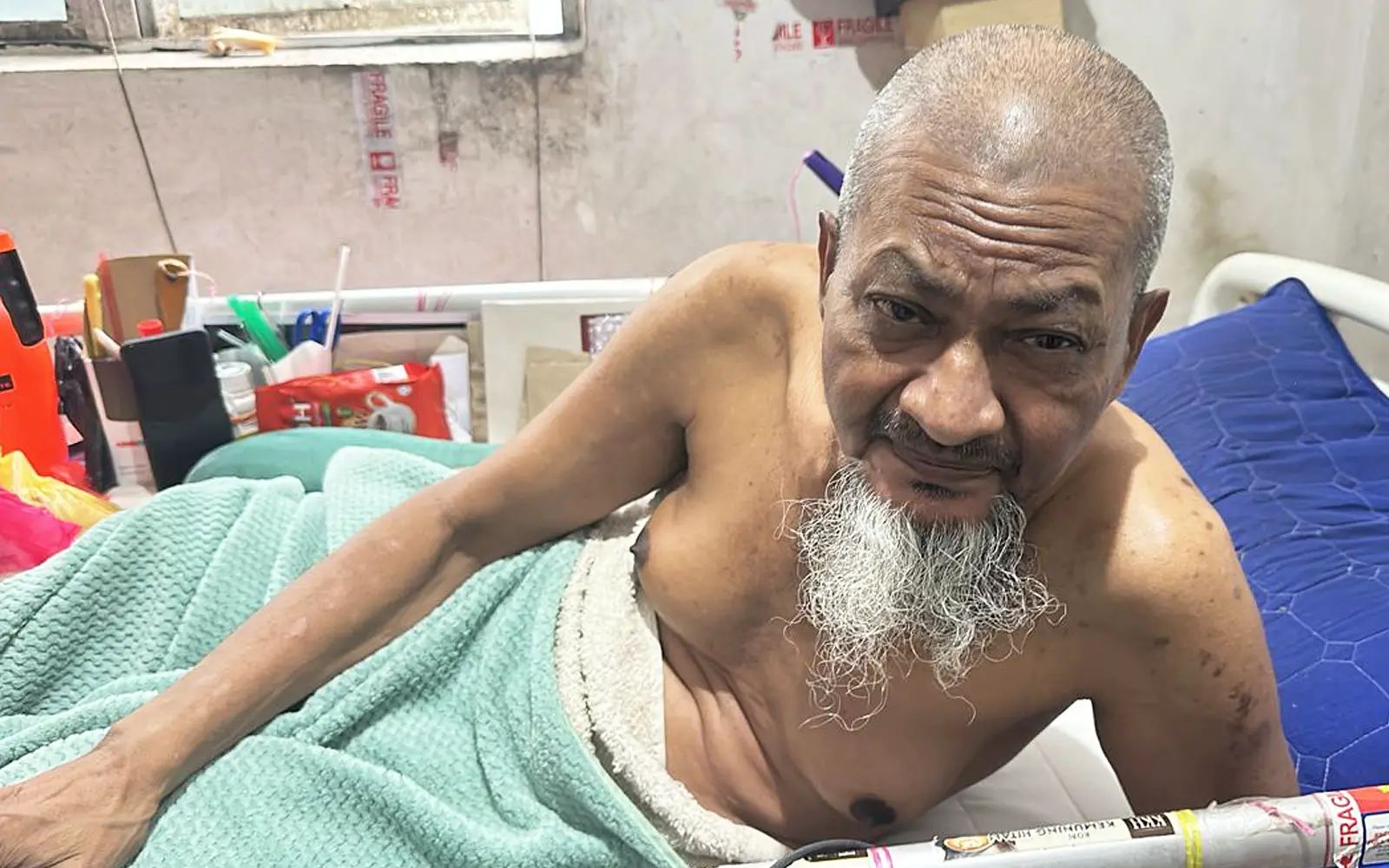
After suffering a stroke in 2021, he had become bedridden, his mobility gone, his independence stripped away piece by piece.
In the six months leading up to his rescue on Monday, he had not stepped outside.
Hari Raya came and went with him lying in the same position, listening to a world he could no longer join.
He said he survived on the kindness of friends who dropped by when they could, bringing food and checking in.
The house he lived in told its own story. It bore the marks of a man left too long without proper care, a space that no one should have to endure on their own.
Yet just beyond that helplessness, on the door to a room, were those six photographs, frozen in triumph: a younger Mutalib, strong and determined, representing Malaysia on the track.
It was that contrast that struck Noorul Ariffin hardest.
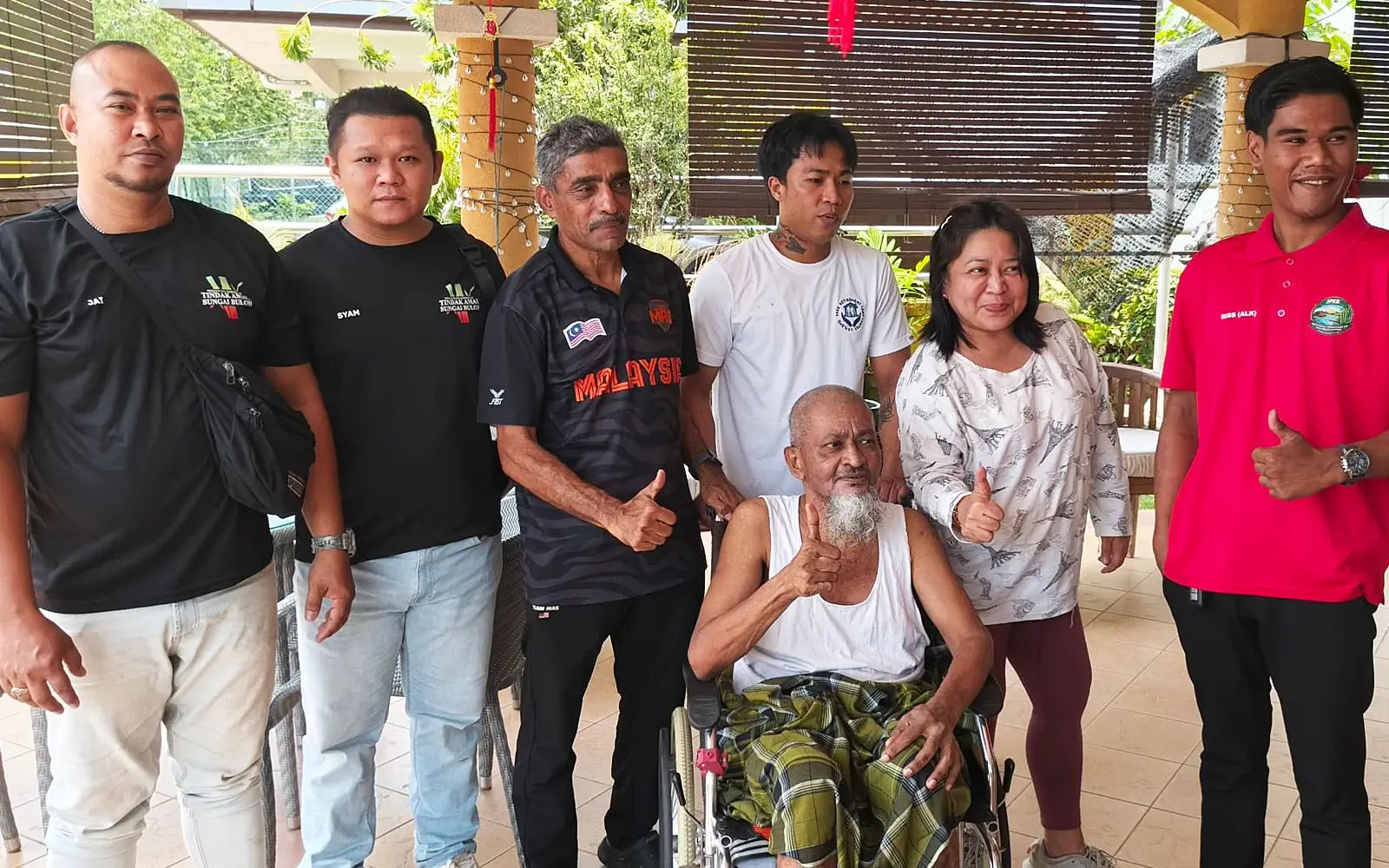
Noorul, who had known Mutalib from his time as chairman of the national athletes welfare foundation (Yakeb), had come to visit. What he found stayed with him.
“It is complicated when he is left alone like that,” Noorul, now the chairman of his own education and skills empowerment foundation, said later.
“The basic support was there but what he truly lacked was someone beside him. Someone to care.”
He did not leave it at that.
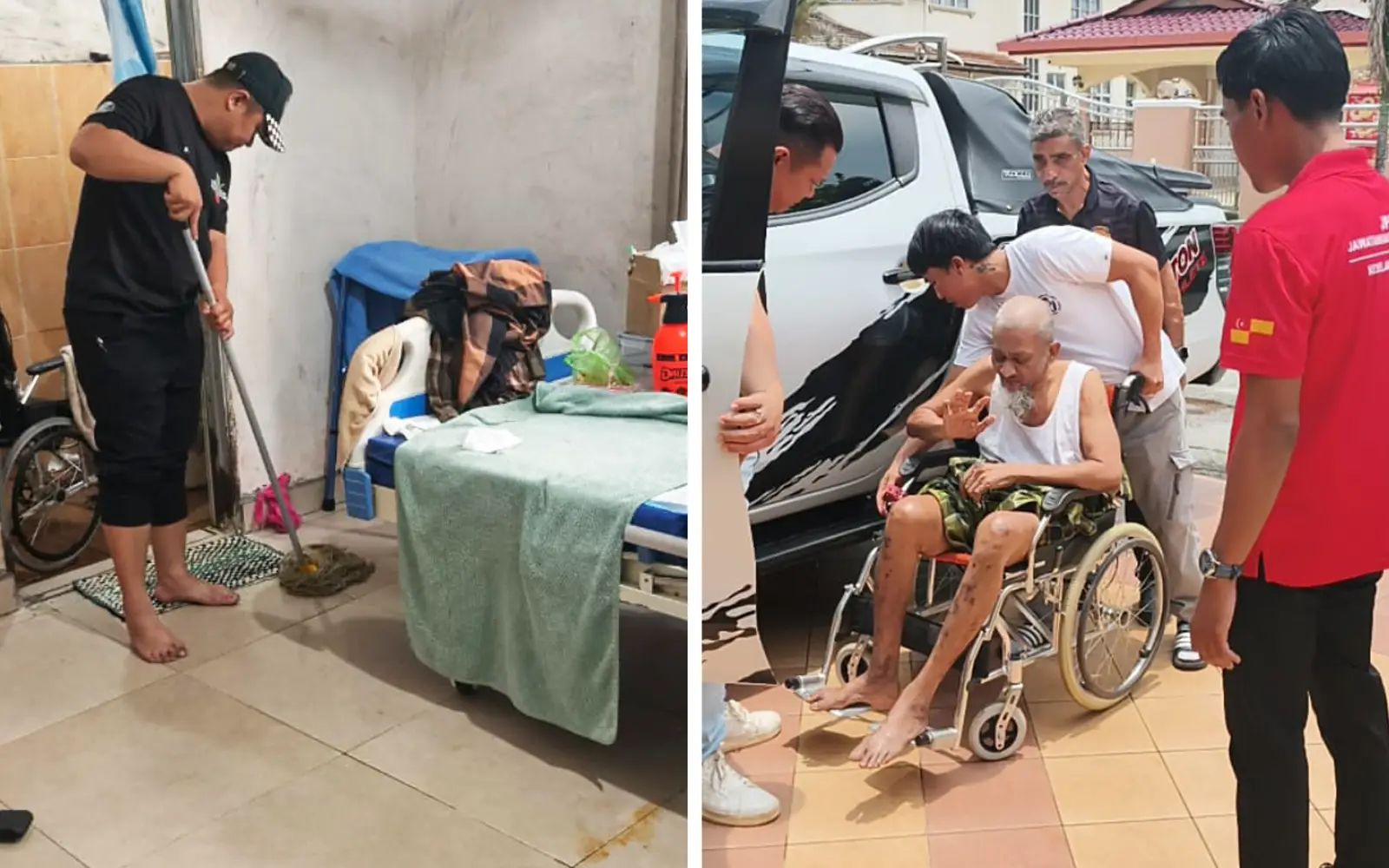
Shaken by what he saw, Noorul reached out to several young men in the village. They came without hesitation and together, they cleaned the house, and gave Mutalib, who hadn’t washed himself for five days, a bath.
They tended to Mutalib in a way that restored a measure of dignity to a life that had narrowed too far.
Food was brought in and the bed was attended to. For the first time in a while, there was movement in the house that was not just memory.
Four days later, Noorul returned. This time, it was to take Mutalib out.
With the help of the same group of young villagers, Mutalib was transferred to the nearby Tree Retirement Home Care.
The management, having heard his story, agreed to waive the deposit. It was a gesture of compassion, but the reality remained. His stay would cost RM2,300 a month.
Mutalib receives RM1,200 from Socso’s invalidity scheme, which covers some basics.
“I don’t mind how it comes, but stroke patients need proper treatment,” he said.
“Many people recover. For me, it is difficult because I have no one to help me”
He spoke without bitterness, only a kind of tired acceptance.
“I lived alone like that. I could not go anywhere. My body is weak. If someone helps, Alhamdulillah. If not, there is nothing.”
Then he paused, as if measuring what hope still meant.
“If I receive the same care others have had, I believe there is still a chance.”
All he wants now is simple. “To walk again.”
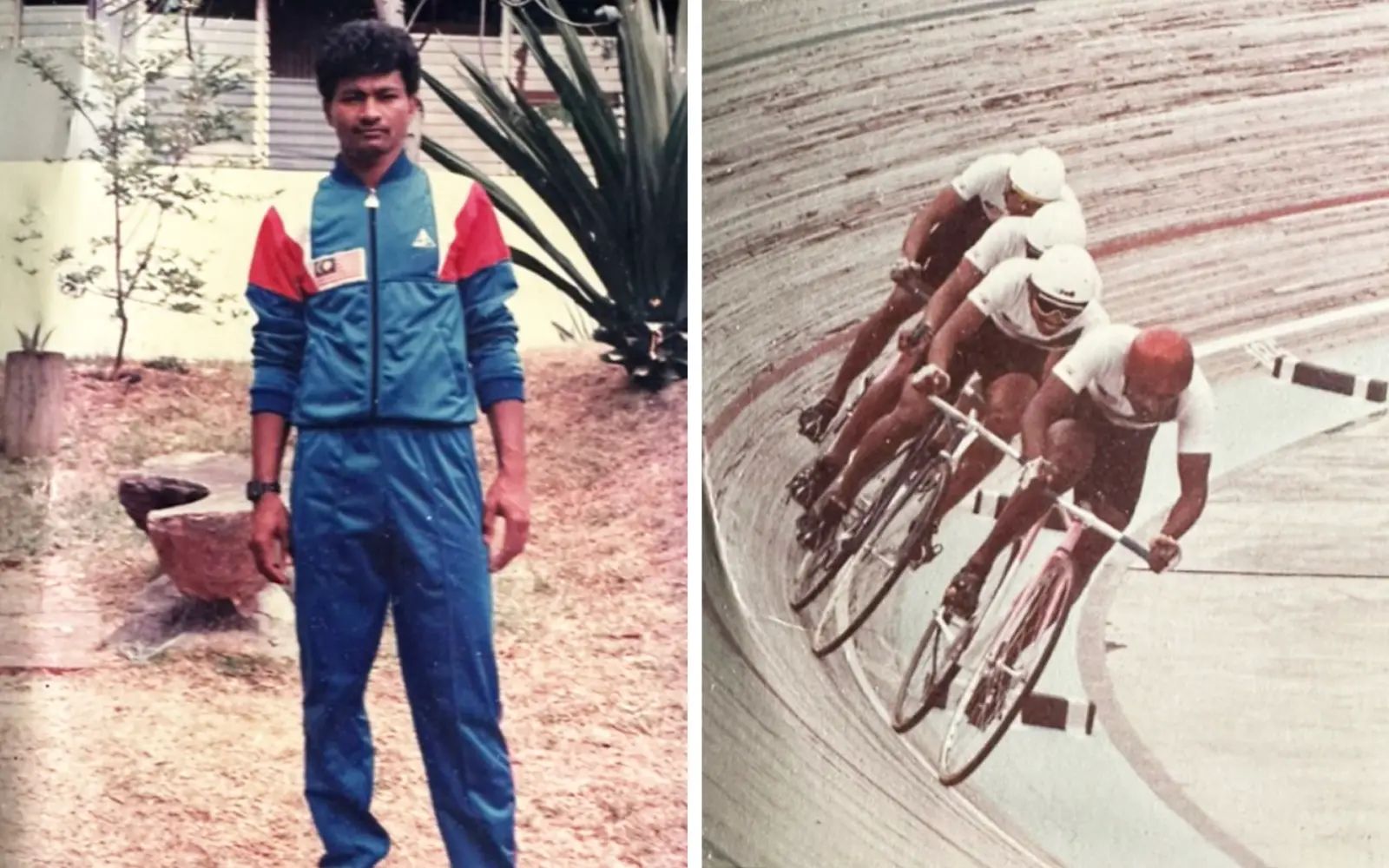
There was a time when that did not seem like much to ask of life. In 1989, Mutalib powered his way to a gold medal in the 4000m team pursuit at the Kuala Lumpur SEA Games, delivering a moment that placed him among the country’s finest.
Two years earlier, he had secured silver in the same event in Jakarta. He began as a junior with the Penang Cycling Association in 1981, rising through grit and discipline.
Those years demanded everything from him. Today, the demands are different.
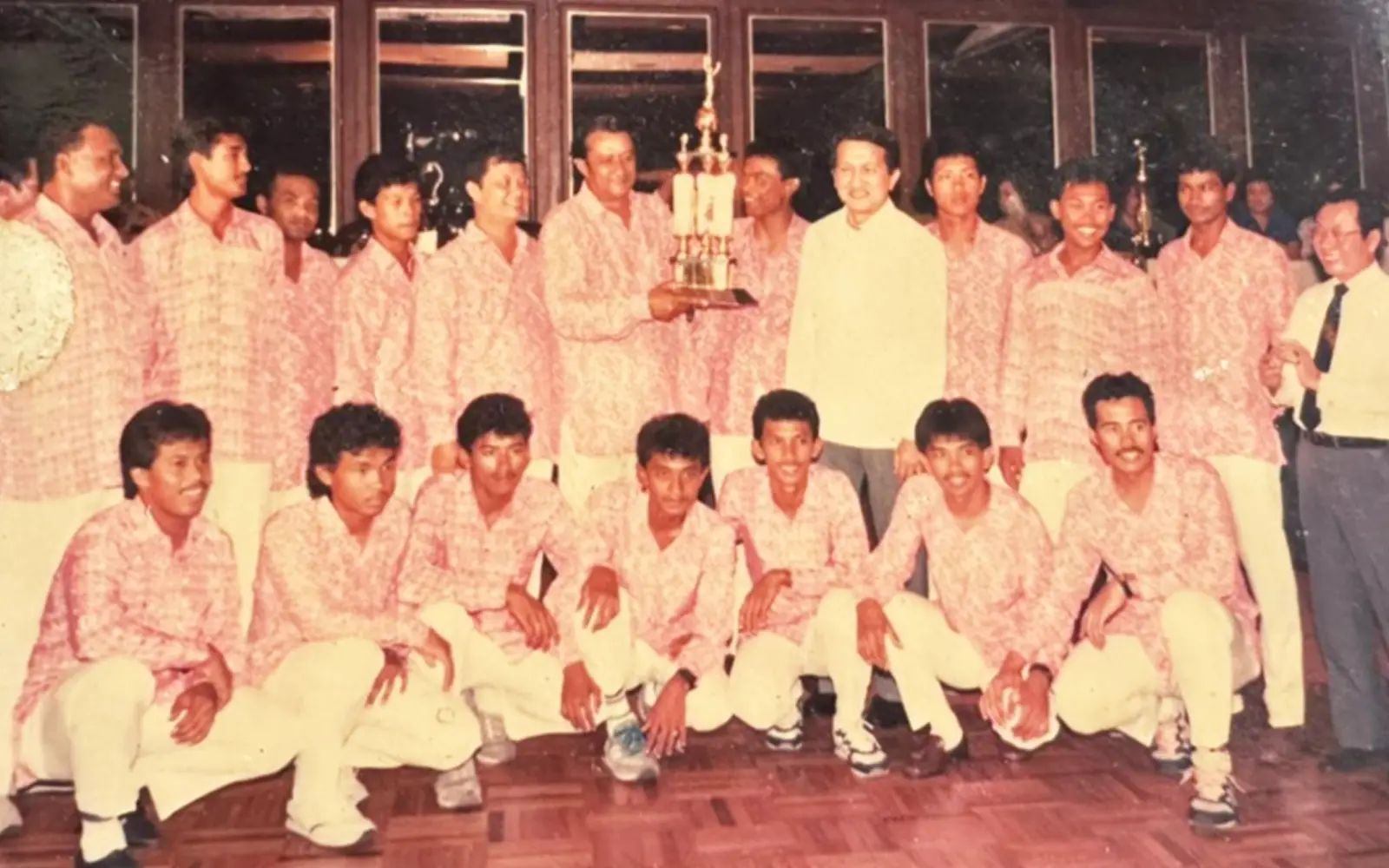
Noorul is careful when he speaks about responsibility. He understands the limits of Yakeb which continues to engage and assist where it can.
“This is not about blaming anyone,” he said. “Yakeb carries a heavy responsibility with limited resources.”
But he does not shy away from the larger point.
“Cases like this must stay on our radar. When you see someone who once represented the country in this condition, you cannot just walk away.”
He believes the challenge is not only to respond, but to anticipate.
“We need to find a way to check in on our former athletes before it reaches this stage. Sometimes one case is enough to remind us what is at stake.”
At the care home, Mutalib’s surroundings have changed. There is structure now, there is attention and there are people.
But the race he is running has no finish line in sight.
From the track to a quiet room, from national pride to personal struggle, his journey has taken a turn few would have imagined when he stood on the podium all those years ago.
The photographs on the door are no longer there. They belong to another place, another chapter.
What remains is the man himself, holding on to the smallest, most human ambition.
To stand.
And perhaps, in that effort, to remind a nation that once cheered him on that its duty does not end when the race is won.