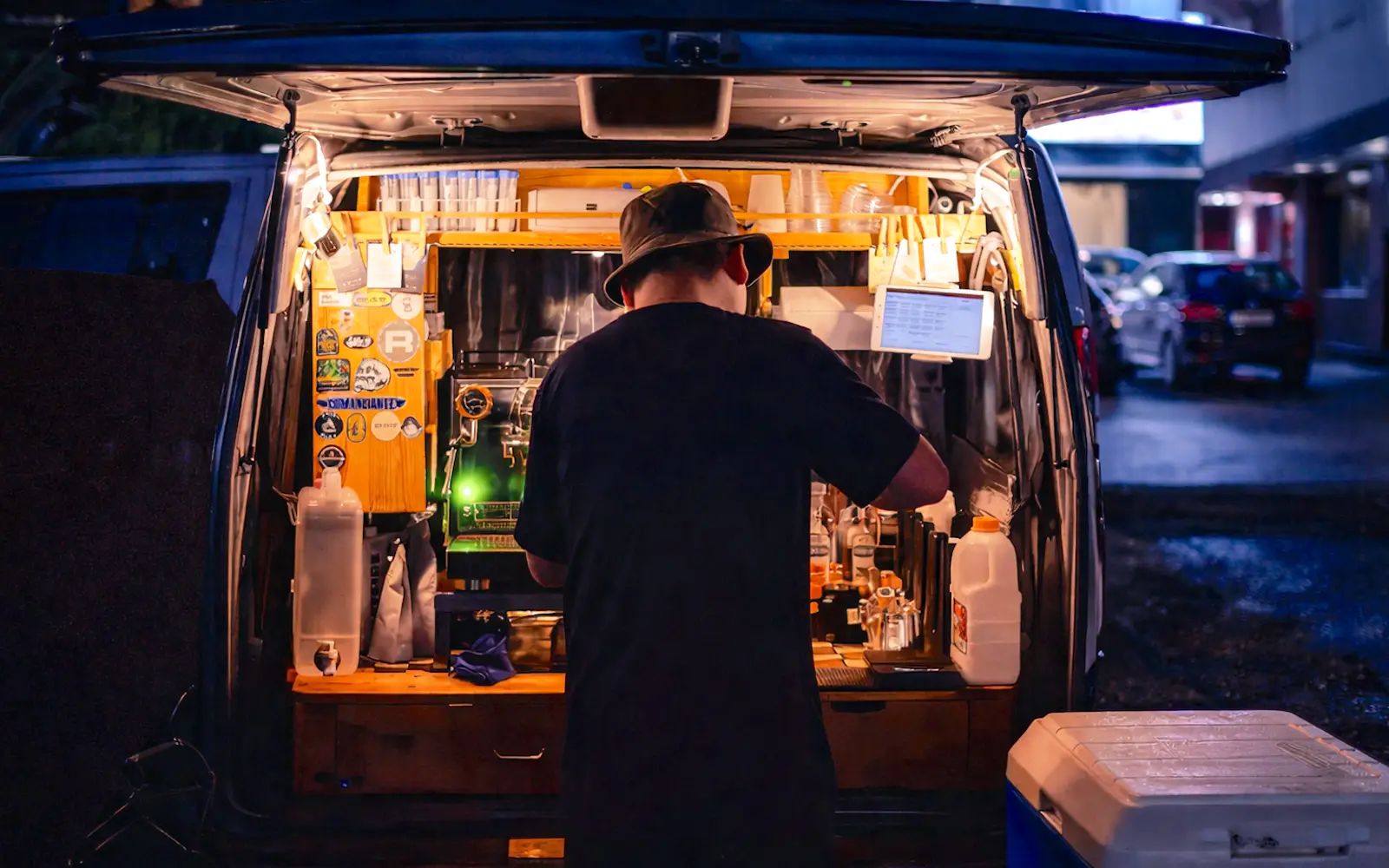
By the roadside, under soft streetlights and the hum of passing traffic, small stalls begin serving a steady stream of customers – nightshift workers, students, delivery riders, couples unwinding before heading home.
Roadside coffee stalls are becoming a launchpad for young entrepreneurs, offering a way to build a brand and test ideas without the heavy costs of running a traditional café.
For entrepreneur Audi Ghazali, 36, the journey has been one of trial and error. He spent two years moving between locations – from bazaars to parking lots – before settling in Taman Keramat, Selangor, where a loyal base of regulars now anchors his business.
“I feel more comfortable here because people already know us. We have regulars who come to ‘recuperate’ and relax,” he told Bernama.
Previously operating from a commercial lot in Wangsa Maju, rising rental costs pushed him to rethink his approach. The roadside model offered a solution: lower costs, greater flexibility, and a more relaxed atmosphere.
“I noticed people prefer a more laid-back setting to enjoy their coffee,” he said, noting that he had to obtain the necessary licence from the Ampang Jaya Municipal Council.
Audi runs the stall with his sister, Aliah, using equipment repurposed from his earlier café, including espresso machines and grinders.
The smaller setup allows them to experiment freely, with drinks starting from RM5. Popular picks include mocha hazelnut and Spanish latte.
The menu has also expanded to include comfort food such as banana fritters, dumplings, instant noodles and loaded fries.
Operating from 9.30pm to 2am, the stall can generate around RM1,000 a day, depending on weather and turnout.
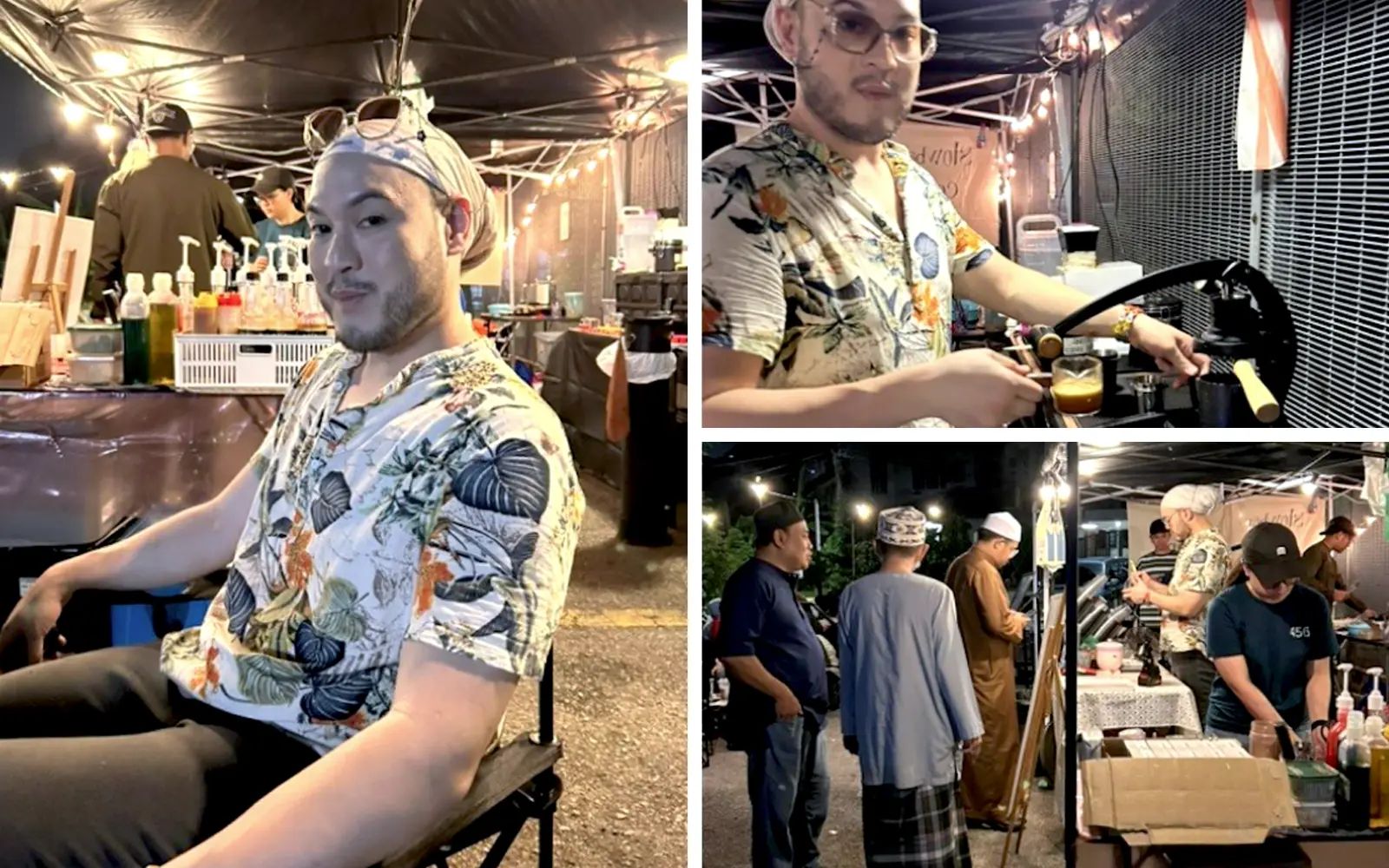
For many young entrepreneurs, that mix of flexibility and affordability is key. Hafiz Rahmad, 24, who runs a stall in Taman Melawati, sees it as a practical entry point.
“With a small stall, you don’t have to worry about high operating costs, unlike running a full café,” he said.
Beyond expenditure, it is the connection with customers that stands out. “When you operate every night, you see people stopping by after work, relaxing with a coffee. Some come with their partners or children just to spend time together.”
The open, informal setting has turned many stalls into community spaces, especially for those whose routines fall outside the typical nine-to-five. At Hafiz’s stall, regulars include delivery riders between jobs, students, and late-night workers.
To cater to different tastes, he also offers matcha, milkshakes and tea.
For him, the appeal lies in adaptability: menus can evolve, hours can shift, and the business can grow without the burden of high overheads.
These stalls reflect a broader shift in Malaysia’s coffee culture – one that is less about polished interiors and more about accessibility, creativity and connection.
And as more young entrepreneurs take to the streets, it seems the future of coffee may not just lie in cafés, but in the corners where people gather, slow down, and sip under the open night sky.