The reality is that we are spoiled for choice, with endless designs and price points at our fingertips. Yet fast fashion continues to dominate, churning out cheaper synthetic textiles to meet the relentless demand for newness.
It is a cycle that is increasingly difficult to sustain, and it comes with a steep, often hidden cost: textile waste.
Malaysia generates around 195,300 tonnes of textile waste annually, much of which ends up in landfills or is openly burnt, contributing to climate change, air and water pollution, and microplastic contamination.
Thrifting or hand-me-downs offer partial solutions, but they may not always feel fresh or aligned with current trends.
So, what if you could own a brand new piece that is sustainably made, thoughtfully designed, and still stylish – without it being thrifted or passed down?
This is the mission behind Batik Boutique. As Malaysia’s only batik brand that is B-Corp-certified – meaning its social, environmental, and governance impact has been verified – Batik Boutique demonstrates how fashion can be both beautiful and responsible, all while supporting communities and reducing waste.
Like any contemporary label, Batik Boutique keeps pace with evolving trends through new collections, while preserving and modernising Malaysia’s rich textile heritage.
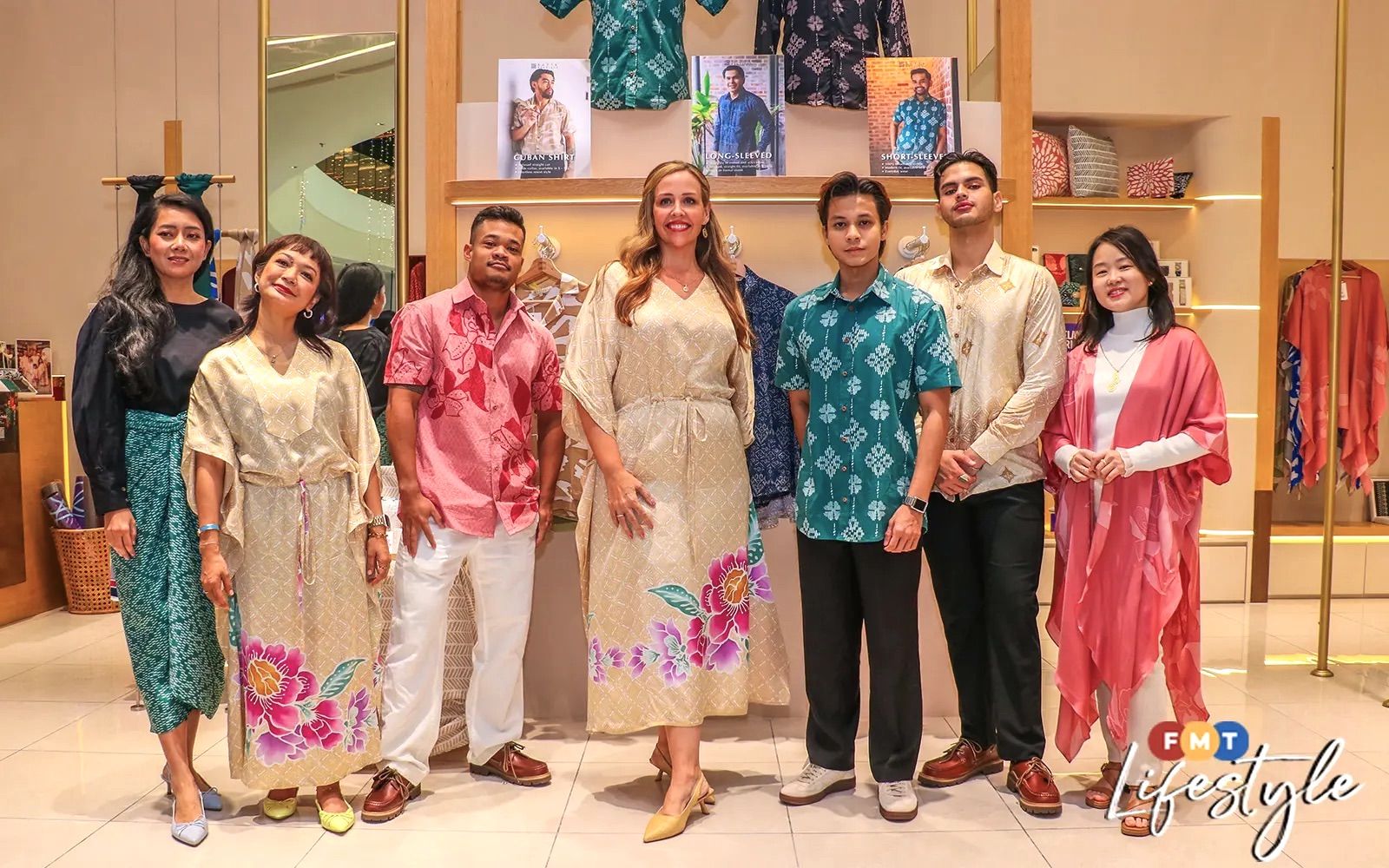
Its recent Aidilfitri collection, Nuansa Raya, draws inspiration from traditional Malay motifs such as kuih cara and songket, creating pieces that feel festive yet timeless.
According to Batik Boutique CEO Amy Blair, sustainability does not have to come at the expense of style or quality.
“We believe you can wear batik anytime, anywhere. With sustainable fashion, less is more – it’s about learning how to style pieces your own way,” she said during the recent launch of the collection.
The brand’s designs are intentionally versatile. Pieces can be belted, layered as kimonos over trousers or shorts, or styled for everything from holidays and dinners to everyday wear.
“We want people to feel proud of what they’re wearing. You’re wearing Malaysian heritage. You’re wearing a piece of art,” Blair added.
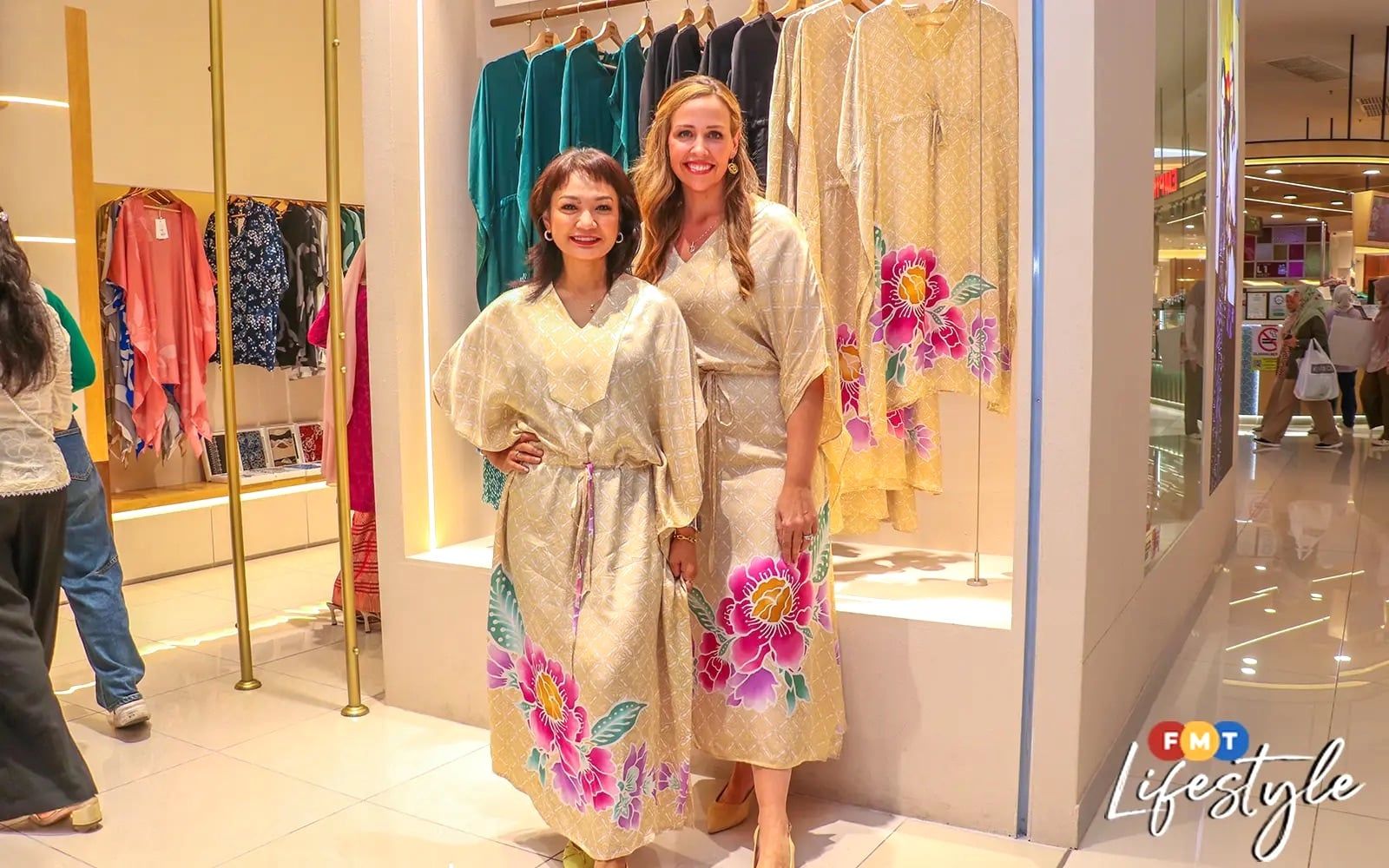
Batik Boutique works exclusively with natural fibres rather than synthetic fabrics. “When we say something is cotton, it’s 100% cotton. When we say silk, it’s not polysilk – it’s real silk,” Blair stressed.
“These raw textiles are already more environmentally friendly than those used in fast fashion. On top of that, instead of machine printing, we use the traditional wax-resist method by hand.”
Indeed, every piece is hand-painted – a labour-intensive process that supports entire communities of artisans rather than relying on mass production.
Batik Boutique has partnered with more than 500 artisans across Malaysia since its inception, and currently supports around 100 through sustained livelihoods.
The brand places particular focus on empowering women from People’s Housing Programme (PPR) communities, as well as artisans in Terengganu and Kelantan.
Furthermore, for Batik Boutique, sustainability extends beyond materials to the entire production process.
Waste and energy usage are closely monitored to identify areas for improvement. Wax is reused rather than discarded, and fabrics are dyed using natural dyes. Patterns are cut strategically to minimise offcuts.
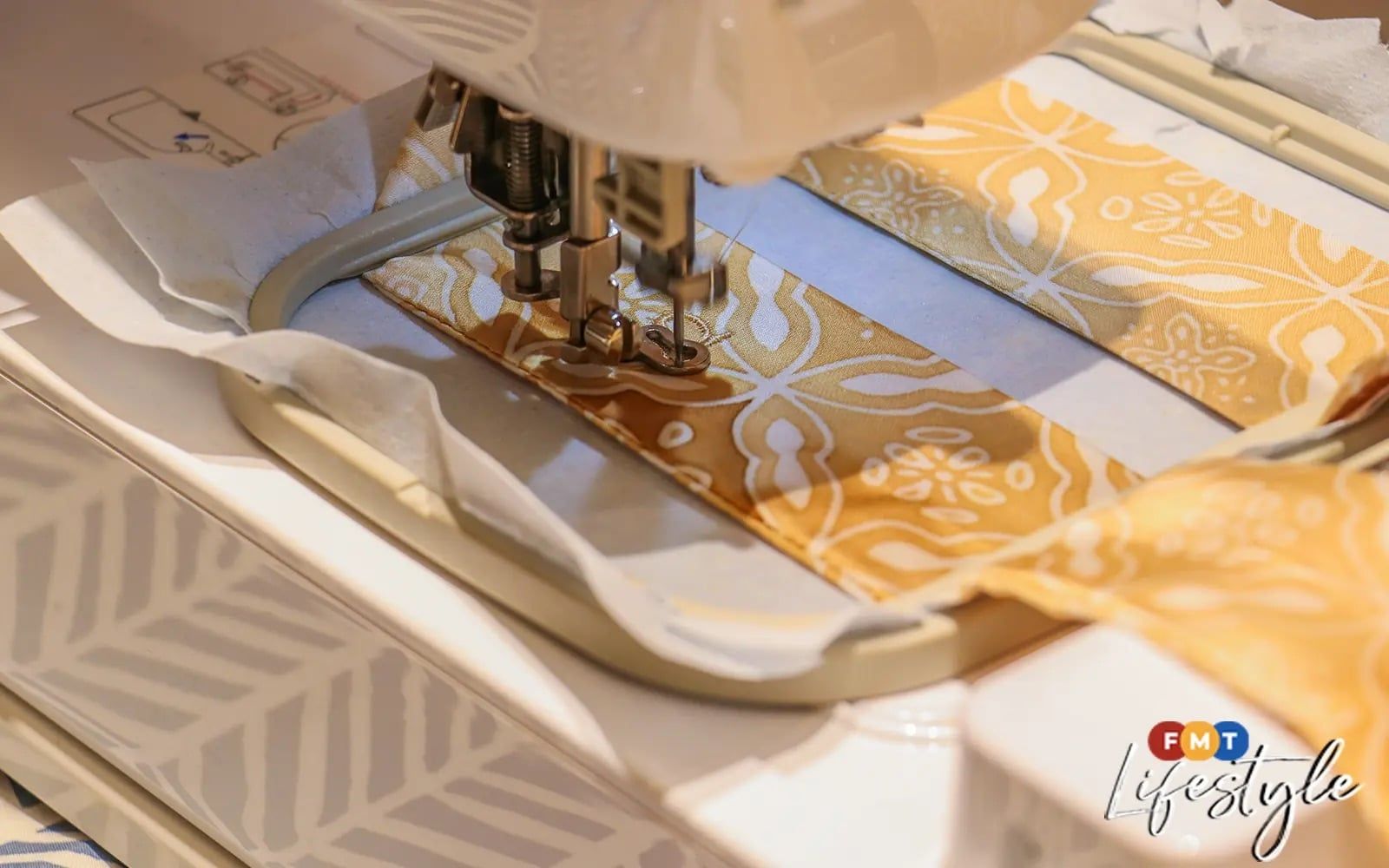
Remaining fabric scraps are upcycled into smaller items such as scrunchies, twillies, key fobs and cardholders – transforming potential waste into functional products.
Beyond production, the brand offsets its environmental footprint by planting mangrove trees in Penang each year.
Blair is candid about the brand’s journey. “We’re not claiming to be zero-waste. There are still areas where we can grow and improve,” she said.
However, she is firm on ethical practices, noting that the low prices of fast fashion often come at the expense of fair wages.
Ultimately, each Batik Boutique garment is designed with longevity in mind. The brand also offers a 100% customer-satisfaction guarantee, including minor alterations, button replacements and repairs, to extend the life of each piece.
Their goal is to encourage mindful consumption over constant purchasing. In a market where festive outfits are often treated as disposable, Batik Boutique offers an alternative that blends heritage, craftsmanship and sustainability into pieces designed to last.
To learn more about Batik Boutique, click here.