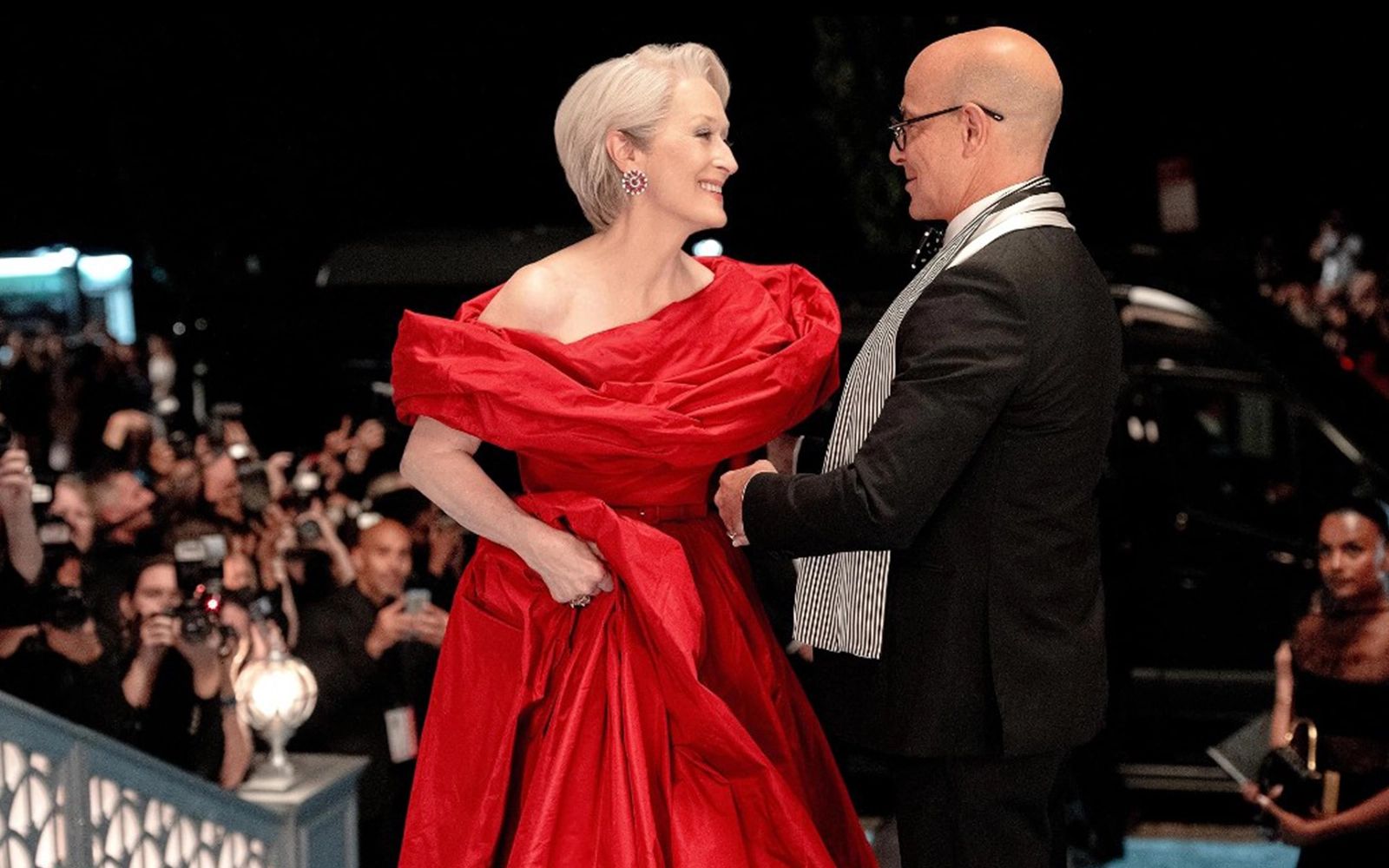
Hollywood has long had a habit of revisiting its most beloved stories, often with diminishing returns. Films like Indiana Jones and the “Kingdom of the Crystal Skull” and the “Star Wars” sequel trilogy show how difficult it is to recapture the magic of a different era.
“The Devil Wears Prada” belongs firmly to that time – a film that was sharp, fun, and iconic in its own right. Meryl Streep was unforgettable as Miranda, delivering icy authority with a whisper and turning “that’s all” into a cultural moment.
Unfortunately, much of that bite is missing in “The Devil Wears Prada 2”. Directed by David Frankel, the sequel reunites Streep, Anne Hathaway, Stanley Tucci, and Emily Blunt for another outing in the fashion world.
On paper, it sounds like a winning formula. In execution, it feels more like a rushed runway show – all the right names assembled, but without the cohesion or spark to make it memorable.
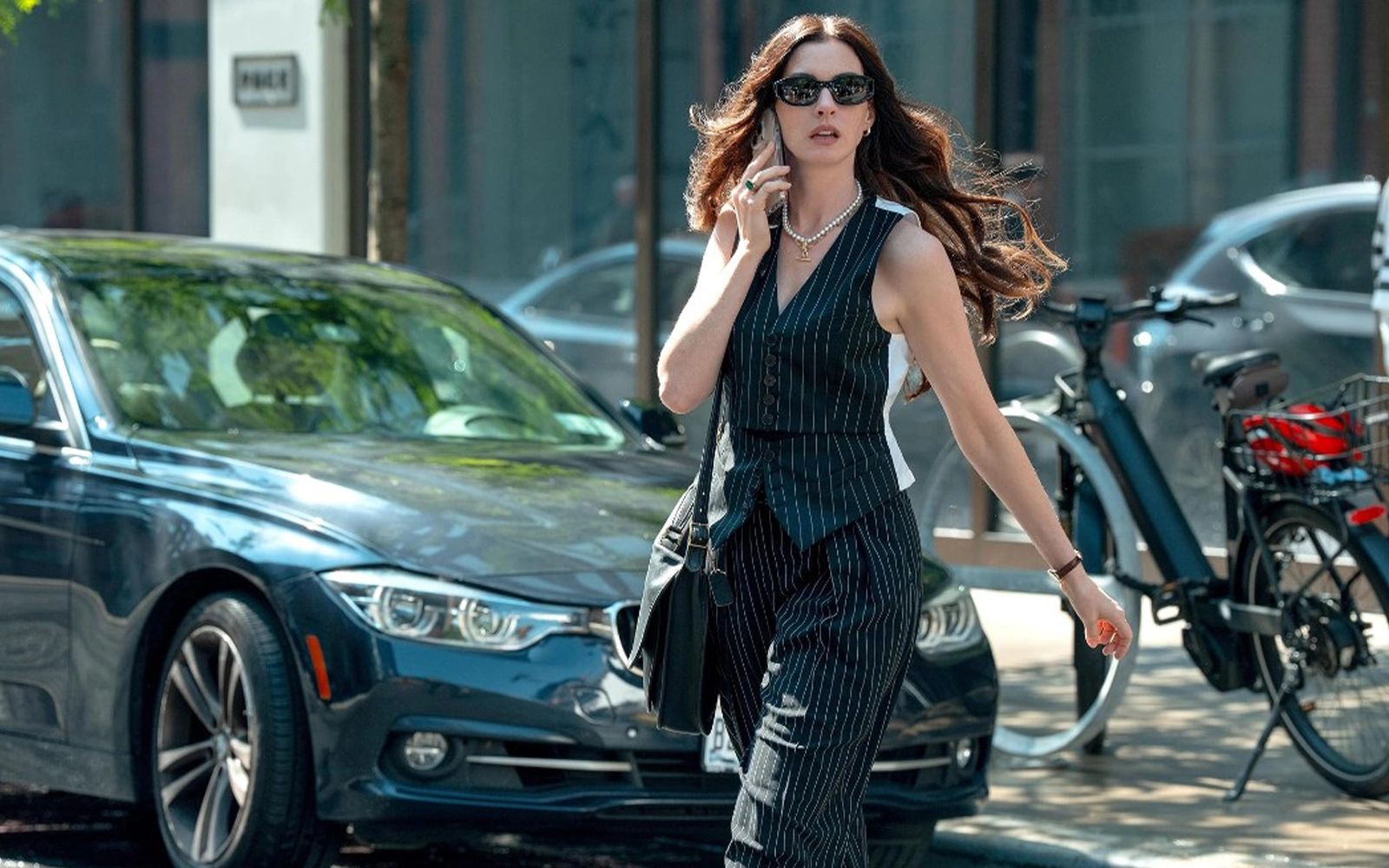
The story picks up 20 years later. Andy Sachs (Hathaway) is now an award-winning journalist who finds herself, unexpectedly, back at Runway. Miranda is still in charge, but no longer the commanding force she once was, even if flashes of her old self remain.
With Runway struggling to stay relevant in a social media-driven landscape, Andy, Miranda, Nigel (Tucci) and Emily (Blunt) – now a powerful figure at a luxury brand – come together in an attempt to save the magazine. A major betrayal complicates matters, leaving Andy to hold everything together.
The central issue, however, is not the plot … it is the film’s lack of a compelling emotional core.
The original worked because audiences were invested in Andy’s transformation, rooting for her as she navigated an intimidating world and discovered her own voice.
In the sequel, that sense of growth is largely absent. Andy is already established, and her return to Runway lacks urgency or personal stakes.
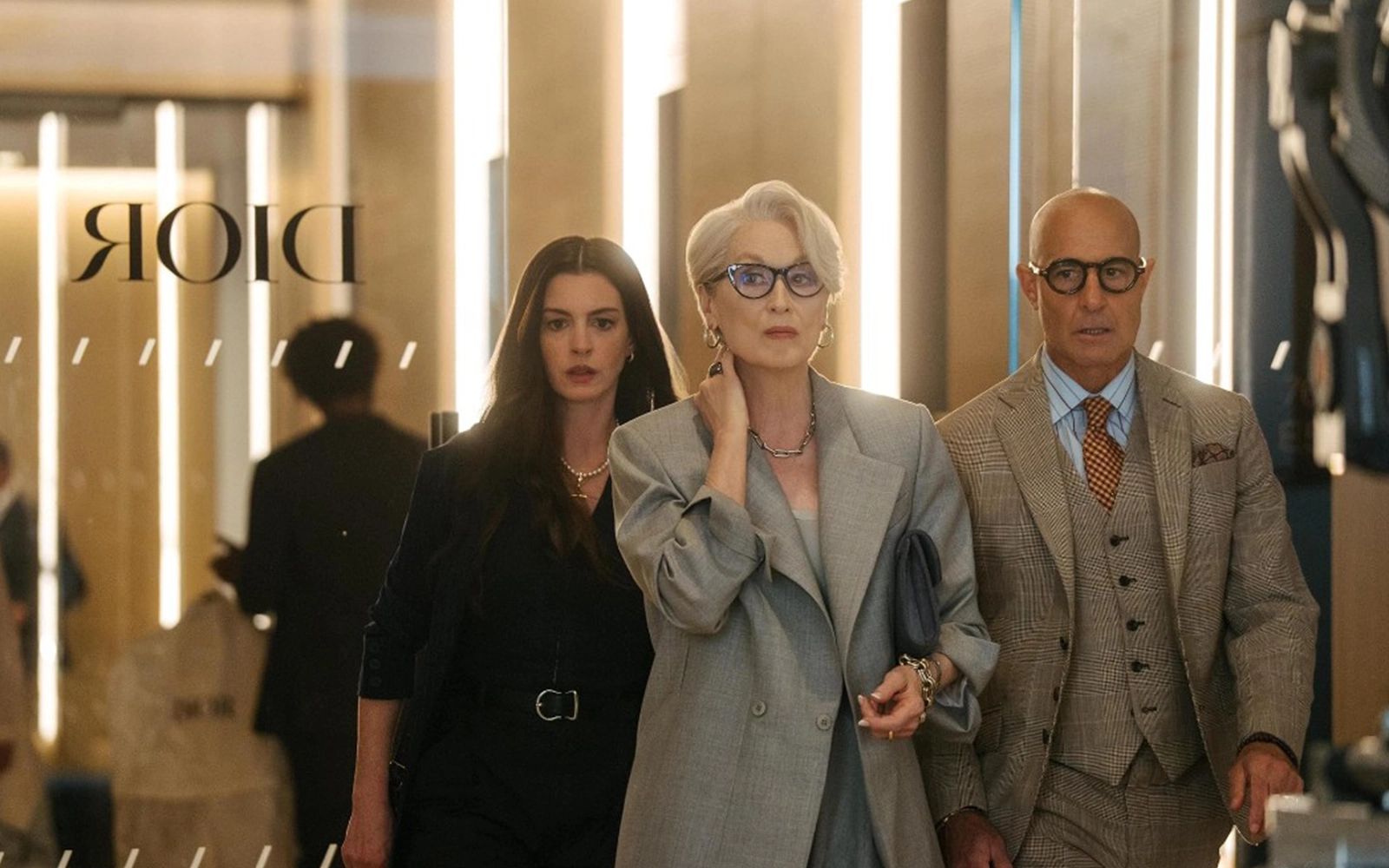
More noticeably, Miranda herself feels diminished. The once razor-sharp editor is softened into a more restrained version of her former self, her authority frequently undercut.
What audiences get in this film is a bumbling older woman who occasionally slips into a mean streak before someone reins her in. Sure, toxic bosses are no longer in vogue but that wouldn’t stop Miranda. It all seems very … sanitised.
There are still moments to enjoy – striking fashion, a cameo by Lady Gaga, and occasional humour. But they are fleeting, and never quite build into anything lasting.
Even the dialogue lacks the memorable bite that made the first film so quotable (who can forget Emily’s iconic “hideous skirt convention” line?).
Ultimately, the sequel raises a simple question: what is it trying to say?
Where the original was about ambition, identity, and personal growth, this instalment settles for a story about preserving a legacy, one that never feels as urgent or meaningful.
You will not leave the cinema feeling inspired or transformed. You might simply walk out thinking: there were lots of Prada, but where is the devil?