
A partner who reminds you of things, checks in frequently, or steps in to make decisions can seem attentive and supportive, particularly in the early stages.
Over time, however, these same actions can begin to reshape the relationship’s balance in ways that are not immediately visible.
Psychologists refer to this as infantilisation, a pattern in which an adult is treated as though they are less capable than they really are.
Clinical psychologist Evelyn Ngui explained that the distinction between care and control is not always clear-cut, because it depends heavily on how both partners experience the behaviour.
“The line between care and control lies in mutual consent,” she told FMT Lifestyle. “Every couple has its own unique dynamic, and what constitutes care in one relationship may feel like control in another.”
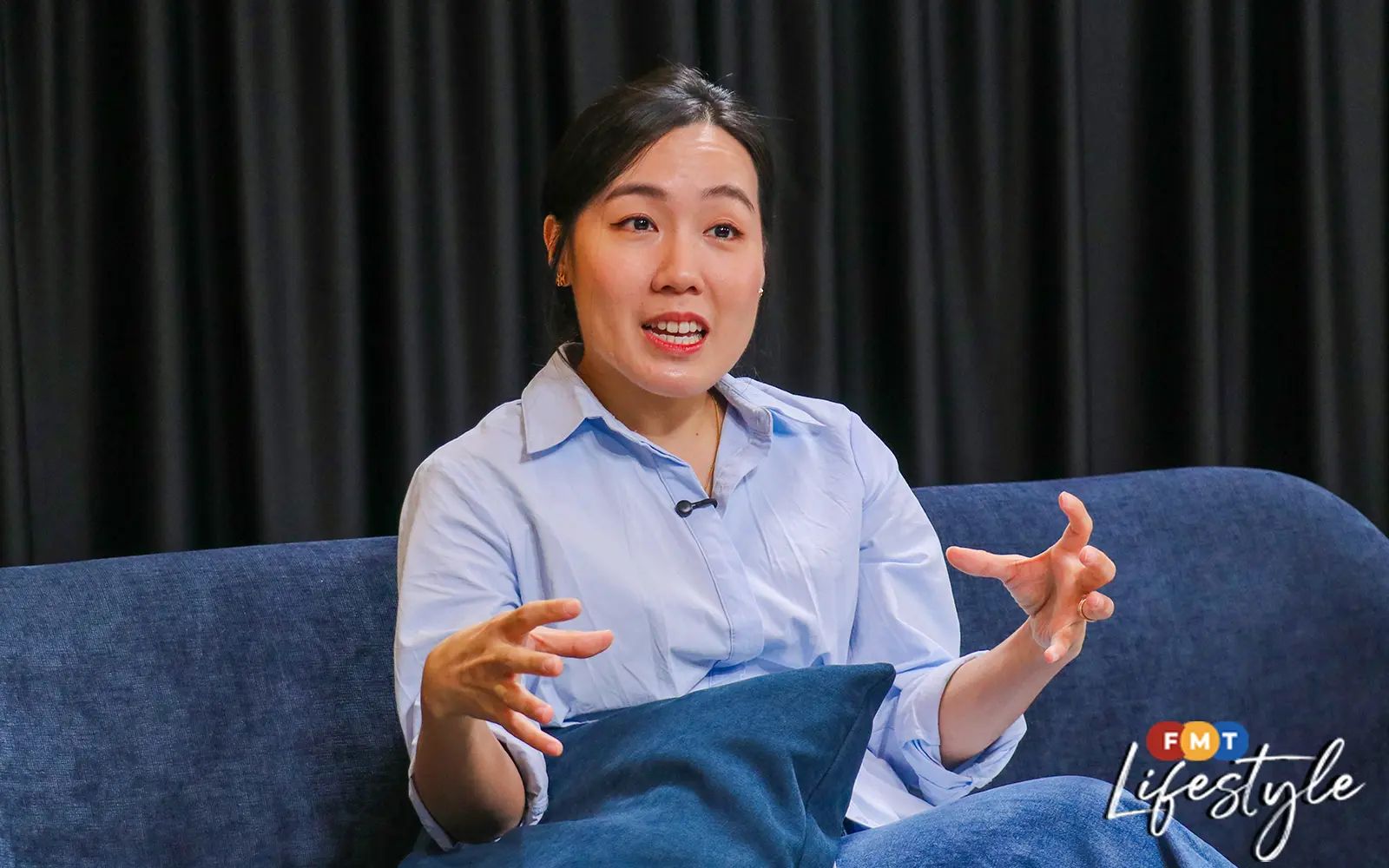
Rather than focusing on individual actions, Ngui points to their overall effect on a person’s independence. The dynamic becomes concerning when one partner begins to lose the ability to function on their own.
“It becomes harmful when a person can no longer travel to work or visit their own family without their partner’s permission or without being chaperoned,” she said.
This erosion of autonomy often happens without either partner noticing. What starts as one person taking initiative can become a pattern where one leads and the other defers, making the imbalance feel normal over time.
While often described as a “parent-child” dynamic, Ngui cautions against oversimplifying it.
Attachment styles such as anxious, avoidant, or mixed pattern may play a role, but they do not fully explain why one partner becomes more dominant while the other becomes more passive. “The answer is never simple,” she said.
She noted that external factors such as financial influence, living arrangements, and family dynamics can shape these roles.
In some cases, one partner may hold more decision-making power due to their socioeconomic position or living situation, while in others, caregiving needs arising from physical or mental health conditions can place one person in a more “managing” role.

“A helpful guideline for couples is to consider when daily functions can no longer be carried out without a partner’s help, permission, or support.
“If you find that you cannot perform basic tasks – going to work, seeing your own family, making routine decisions – without your partner’s involvement, it may be time to question whether the dynamic has shifted from supportive to limiting,” Ngui stressed.
At the same time, emotional attachment can make these patterns difficult to detect.
Ngui explained that strong relationships are reinforced by hormones such as oxytocin, dopamine, and serotonin, which help people bond but can also cloud their judgment.
“These chemicals are designed to bond and connect us, but they can also make it harder to recognise red flags,” she said.
Both partners may unknowingly reinforce the infantilisation dynamic, with one feeling needed and the other comforted by reduced responsibility, allowing it to persist even as it limits growth.

Cultural norms can further blur the line, especially in societies that value interdependence and defined roles. Addressing it requires care, as many couples fall into these patterns without harmful intent, making how the issue is raised especially important.
“Communicate without blaming,” she said, encouraging the use of “I” statements such as, “I feel I have lost some of my independence,” rather than accusations.
She also recommends approaching the conversation with the assumption that the partner’s actions were not meant to control, but may have developed out of care or habit.
From there, couples can begin making small, specific changes, rather than attempting to reset the entire relationship at once.
“Asking for too much too quickly can overwhelm the relationship,” Ngui warned. “For example, ‘I would like to make my own travel arrangements to visit my family’ is a small, measurable first step,” she advised.
Ultimately, restoring balance is less about undoing care and more about redefining it.
A healthy relationship allows both partners to support one another without diminishing each other’s independence, ensuring that being cared for does not come at the cost of being capable.