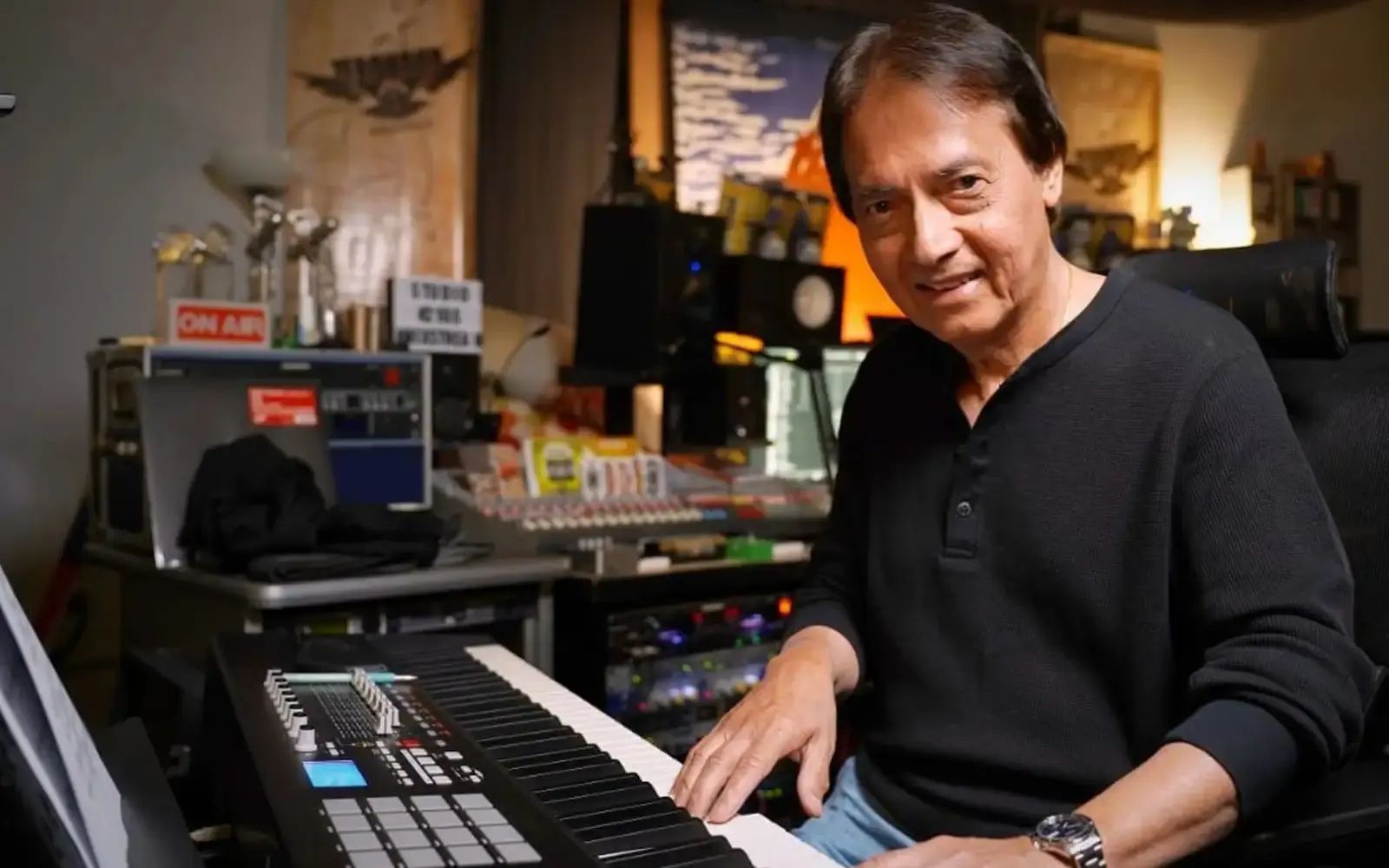
He had recorded a rough piano version onto his Walkman cassette recorder and wanted lyricist Syed Haron Syed Ahmad to hear the tune that had been circling in his head for weeks.
Sta Maria had been shaping the song little by little between performances at the hotel lounge, where he played piano during happy hour before the band Freedom took over the night crowd.
When the melody reached the chorus, he tried explaining the rhythm he imagined for the hook.
“La la, la la,” he told Syed Haron. “Maybe something like ‘sama sama’.”
Syed Haron looked at him and laughed knowingly.
“At that moment, the origins of ‘Mulanya Di Sini’ had already formed in his head,” Sta Maria recalled.
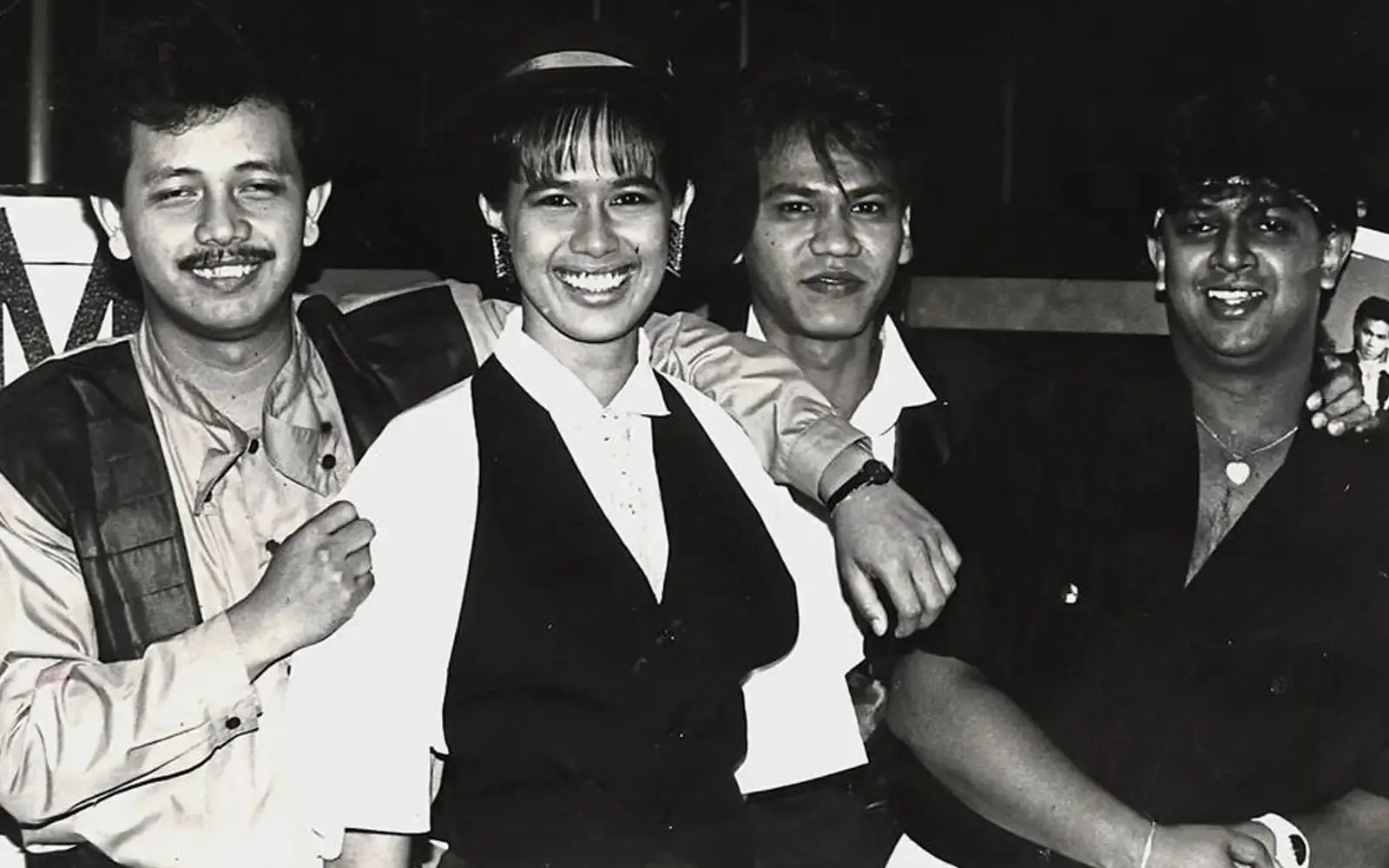
What began as a melody refined between hotel gigs would grow into one of Malaysia’s most enduring sing-alongs.
Freedom released ‘Mulanya Di Sini’ on June 1, 1987 as the title track of the band’s debut album. The song quickly became a national favourite and helped define an era of Malaysian pop music.
Nearly 40 years later, audiences across Malaysia still erupt when the famous “sama sama” refrain arrives. Some fans even request the song by that phrase instead of its actual title.
Yet long before the breakthrough came years of uncertainty.
Sta Maria wrote his first song in 1979 while performing with the group Discovery at the Merlin Hotel in Penang. The band had planned a second album before suddenly breaking up, leaving him unsure about his future in music.
Then came a chance meeting that changed his path.
While standing inside the cake shop at the Merlin Hotel, he met singer Francesca Peters, whose own band had also disbanded.
The two decided to work together and soon secured performances at Fujiya Pub in Damansara and later the Merlin Coffee House in Kuala Lumpur.
Legendary producer S Atan discovered the duo there and signed them to EMI, under the name “Roy & Fran”.
They released “Siapa Dia Sebelum Daku” in 1982, followed by “Bersama Pertemuan Ini” a year later. Sta Maria contributed original compositions to both albums.
The partnership later ended when Peters pursued a solo career while Sta Maria focused on writing, arranging and producing music.
There were moments of encouragement along the way.
His compositions earned recognition at RTM’s Pesta Lagu and the Golden Kite Song Festival, where “Babak Cinta Terakhir”, first performed by Zainal Abidin and later recorded by Freedom, won second place.
Still, the major breakthrough remained out of reach.
“I wanted to create a hit song,” Sta Maria said. “A song people would love and remember. A tune that would stand the test of time.”
The dream stayed with him through years of frustration and disappointment. He kept writing.
Then came the melody that refused to leave his head.
“It did not come all at once,” he said. “I worked on it little by little between gigs. I kept changing chords and refining the lines.”
“It took days. It took weeks. I worked on it until I was finally satisfied that I had a song.”
Sta Maria replayed the melody repeatedly and recorded rough piano versions on his Walkman while trying to perfect the arrangement.
By then, he had already built a friendship with the members of Freedom through the PJ Hilton music circuit.
“One day, I asked if they would be interested in singing the song for me,” he said. “They said yes.”
Freedom later recorded a demo at Booty Boys Studio before Sta Maria submitted the composition to EMI.
Months later, he received the call that changed everything.
EMI selected the song to represent Malaysia at the Asean Song Festival. It marked the first time Freedom performed ‘Mulanya Di Sini’ publicly and on television.
The song finished second.
“The rest, as they say, is history,” Sta Maria said with a laugh.
Soon after, Freedom began performing to packed crowds at the PJ Hilton, where audiences repeatedly requested the song throughout the night.
The chorus that outlived generations
The success of “Mulanya Di Sini” stretched far beyond radio play.
Over four decades, the song found a second life through television, weddings, university farewell events, Merdeka celebrations and advertising campaigns.
At least 11 companies used the song in commercials, including Malaysia Airlines, Johnson & Johnson, Maybank, McDonald’s, Maggi, Pizza Hut, Celcom, Nescafé and GrabMart.
In 2017, the song returned to national attention when it was adapted into “Sama Sama Kita Malaysia” for the Malaysia Day celebrations.
Its appeal also crossed borders.
Earlier that year, Indonesian artistes Rima Melati and Marcell Siahaan released a cover version that drew more than 200,000 YouTube views within three months.
Yet as the melody endured, many Malaysians remained unfamiliar with the man whose lyrics helped shape the song’s emotional power.
The late Syed Haron Syed Ahmad stood among the most respected lyricists of his generation.
His words carried warmth, togetherness and longing without sounding forced or grand.
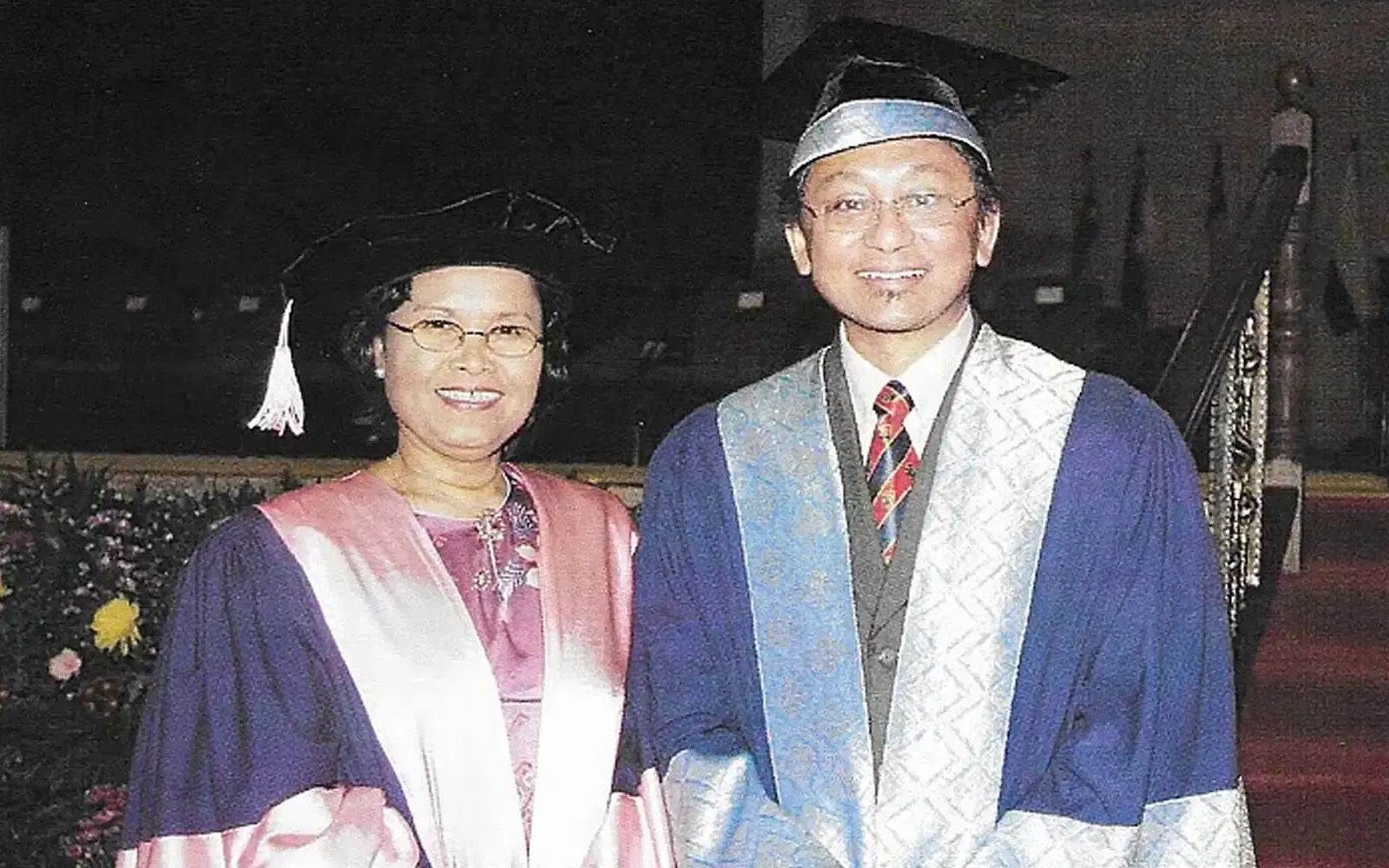
Syed Haron’s lyrical touch also shaped classics such as “Warisan”, another song closely tied to Malaysian identity and unity.
His first recorded composition was “Hanya Lagu”, performed by Sudirman and dedicated to his wife Siti Rohaini Kassim, whom he married in 1977.
Together, Sta Maria’s melody and Syed Haron’s lyrics created something rare: a song that remained relevant across generations without losing its emotional pull.
Sta Maria believes the simplicity of the chorus helped the song endure.
“People did not just listen to it,” he said. “They sang it together.”
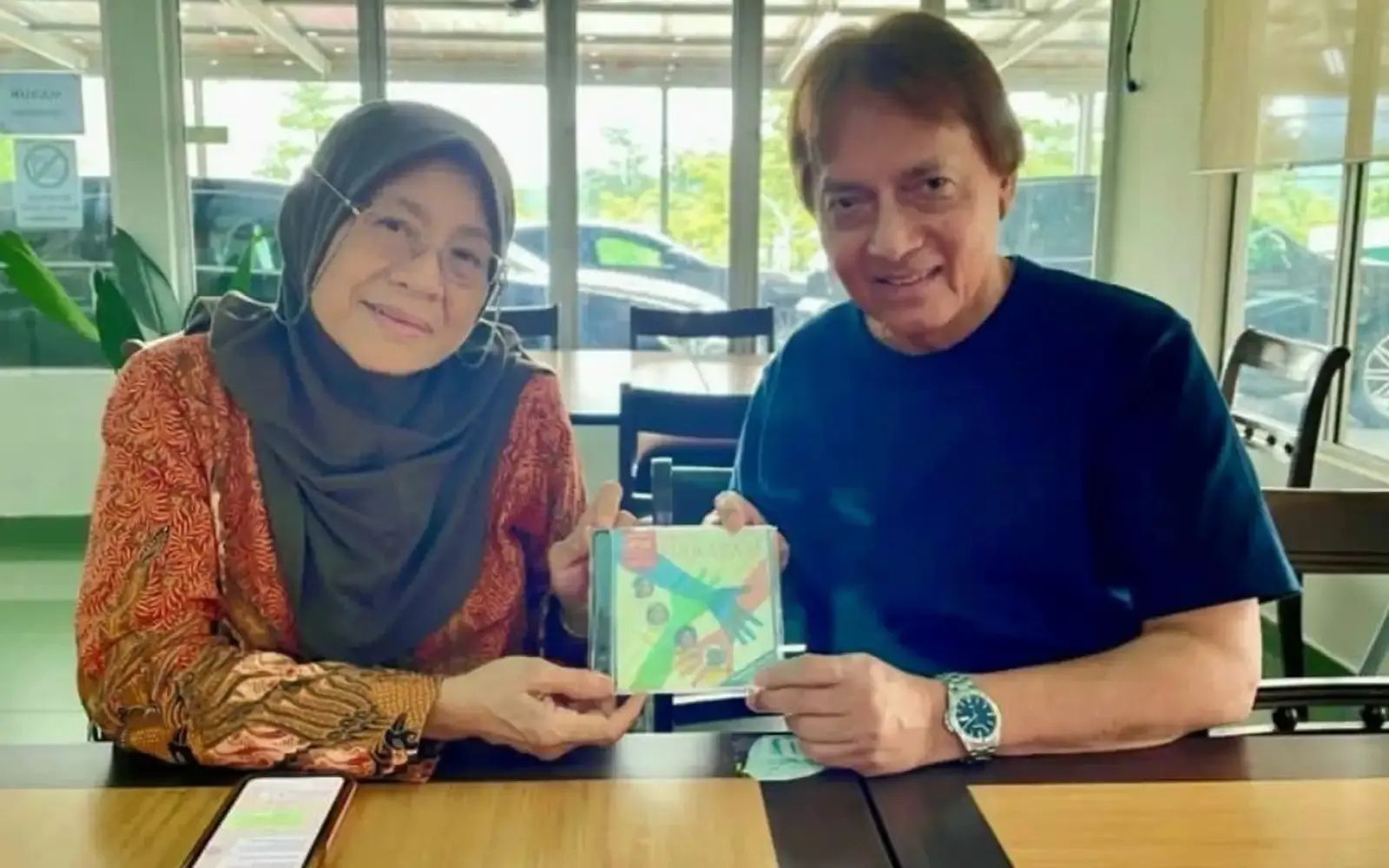
Now living in Perth, Australia, Sta Maria is preparing a compilation album featuring 12 original compositions, including a new version of “Mulanya Di Sini” and another earlier song, “Hingga Kau Kembali”.
The project also revisits his long creative partnerships with respected musicians and arrangers such as Mac Chew, Helen Yap, Fauzi Marzuki, Ann Hussin and Jason Shahul from Singapore’s The Gingerbread Band.
Among the songs included is “Pesona Harapan”, written with celebrated lyricist Habsah Hassan, whose words shaped several of Sta Maria’s compositions over the years.
Even after decades in music, Sta Maria still remembers the exact moment “Mulanya Di Sini” truly began.
Not in a recording studio. Not under stage lights.
But in a hotel car park, beside a Walkman cassette recorder, while two friends searched for the right words to fit a melody that would one day belong to the nation.