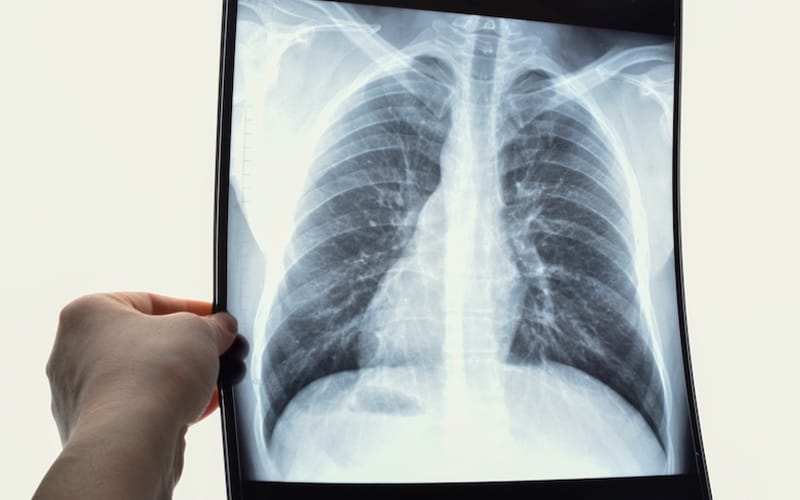
The World Health Organization estimates that 290,000 to 650,000 people die of flu-related causes every year worldwide. As influenza re-emerges in Malaysia, coupled with ongoing Covid cases, this has become a major public health concern.
Fortunately, the mortality rate in Malaysia is lower than in other countries, which could be attributed to the high accessibility to flu shots and vaccines.
Post recovery, both Covid-19 and influenza patients may suffer from lingering symptoms such as anxiety, fatigue, and breathing problems for weeks. Most improve over time, though some take months, or even years.
It is, therefore, essential for each patient to take measures in their long-term recovery journey by seeking help from healthcare professionals.
Long Covid/influenza symptoms
Studies show a protein in the influenza virus helps it multiply and damages epithelial cells, causing fluid buildup in the lungs. A bad case of Covid-19, on the other hand, can produce lung scarring and other permanent problems.
According to Dr Kow Ken Siong of Sunway Medical Centre, Sunway City, long-Covid patients are predominantly the elderly because of their weak immunity. “Moreover, adults with heart or lung diseases are prone to these respiratory diseases as their airways are much narrower,” he said.
Post respiratory disease symptoms vary for everyone. These include:
- constant tiredness;
- brain fog;
- persistent headache;
- chest pain;
- difficulty breathing or shortness of breath;
- prolonged cough.
These symptoms are treatable but it will take time. Lung tissue gradually heals from scarring but requires months or years to return to normal function.
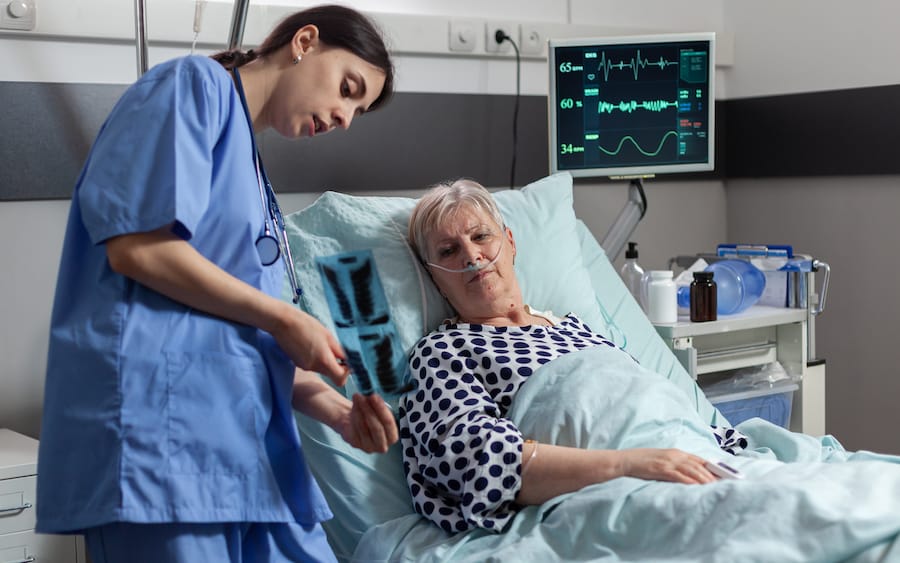
Furthermore, lung healing from respiratory diseases produces its own set of symptoms. Patients generally experience discomfort as healing takes place. Through treatments and therapy, the doctor can determine a patient’s stage of recovery.
In the meantime, here’s how you can strengthen your respiratory system through some simple home exercises:
Walking
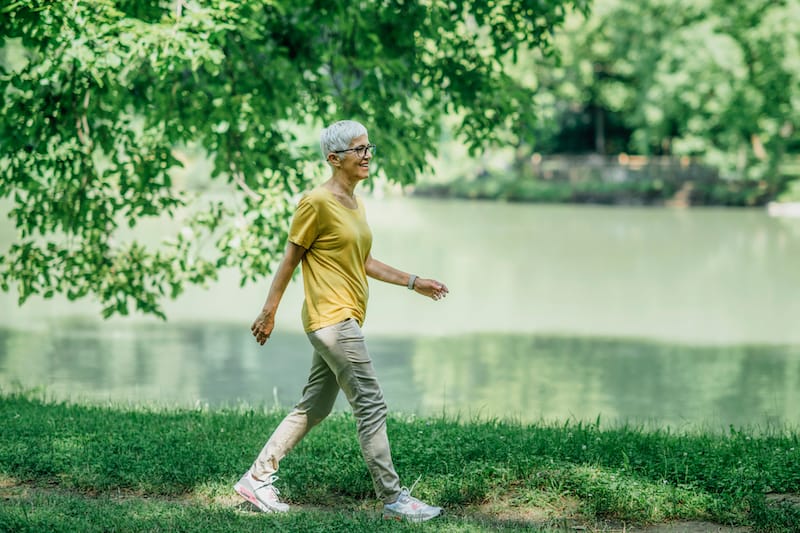
Walking is the best way to regain your strength as it increases circulation and strengthens the tissues around your lungs. Set short realistic goals, and start slow by walking in or around your house for 10-15 minutes.
If you feel comfortable without any shortness of breath, you can gradually increase it by five minutes.
Yawn to a smile
This exercise helps increase coordination and build strength in the arms and shoulder muscles. It will also help to open up the muscles in the chest, allowing the diaphragm to fully expand.
- Sit upright with a straight back. This can be done on the edge of your bed or in a sturdy chair.
- Stretch your arms up to shoulder height, overhead, then open your mouth wide and create a big stretching yawn.
- Bring your arms down and turn that yawn into a smile for three seconds.
- Repeat the process for one minute.
Humming
Humming increases nitric-oxide production, which helps with neural plasticity – the building and repairing of the nervous system. It dilates blood vessels, pulling more oxygen into the lungs with each breath.
Humming can also reduce stress as it calms and soothes the mind.
- Sit upright with a straight back and place your hands on the sides of your stomach.
- Keep your lips closed and rest your tongue on the roof of your mouth.
- Breathe deep and slow through your nose and spread your fingers while you’re doing so.
- Keep your body relaxed and, when your lungs are full, exhale while humming, making a “hmmm” sound.
- Repeat by inhaling and exhaling through your nose while humming.
- Do this for several breaths.
Treatment and rehabilitation
As symptoms vary from person to person, it’s important to seek consultation from your doctor or healthcare professional.
After assessment, consultants will follow up with rehabilitation sessions involving physiotherapy or occupational therapy. These are aimed at regaining the patient’s strength, endurance, and cognitive function after being infected with Covid-19 or influenza.