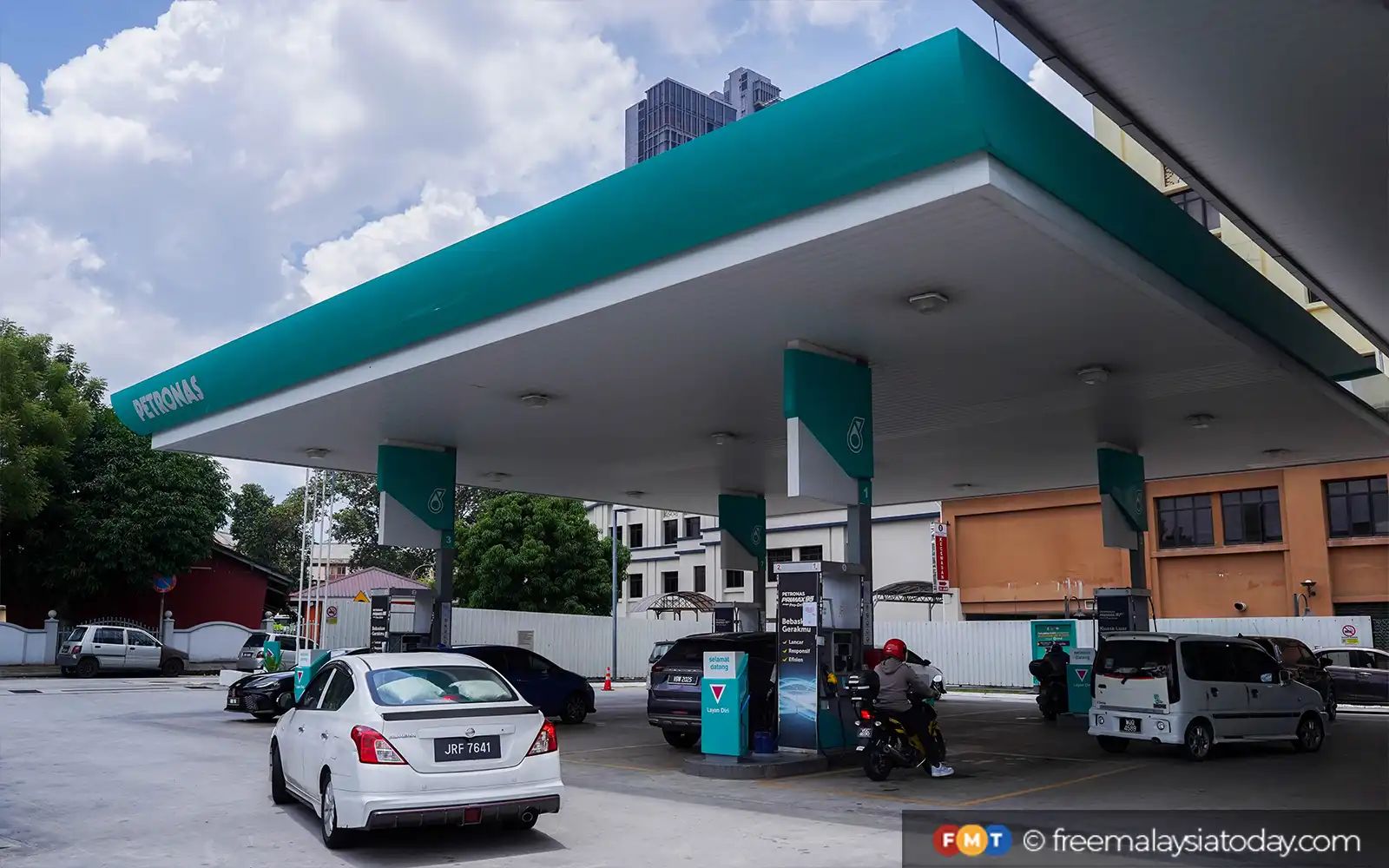
The national oil company said it supplies about 50% of the country’s fuel needs through its public-listed subsidiary, Petronas Dagangan Bhd, with the balance supplied by other oil firms operating in Malaysia.
“Petronas confirms that fuel supply across its network of stations nationwide has been secured through the end of June, an extension from its earlier projection of end-May,” it said in a statement.
It also said that it would continue to actively manage its supply chain to ensure sufficient stock across its station network amid the global energy crisis from the Middle East conflict.
“Members of the public are encouraged to purchase fuel responsibly according to their daily needs and avoid hoarding or panic buying. Responsible usage will help ensure continued accessibility for all,” Petronas added.
On March 30, the firm said it projected sufficient petrol and diesel supply for the country up to May 2026.
Petronas said that even though Malaysia is an oil-producing nation, it is not fully insulated from the impact of the war in Iran, with nearly 40% of the country’s crude oil requirements transiting through the Strait of Hormuz.
Yesterday, economy minister Akmal Nasrullah Nasir said the government had agreed to increase the biodiesel blend from B10 to B15 as it looks to strengthen the use of alternative fuels amid the energy crisis.
In a televised briefing on the global energy crisis, Akmal said the shift would begin with a phased introduction of B12, which would not incur any additional costs as it would utilise existing biodiesel blending infrastructure.
He said Putrajaya expects it will take up to 18 months to recover from the crisis, with the National Energy Transition Council agreeing that biodiesel is one of the most “practical and readily available” alternative biofuel sources that can be implemented in the near-term.
The government also decided to increase cash assistance for diesel users under two BUDI Madani schemes to RM400 for April, up from RM300, in another adjustment amid sustained global price pressures.
The government has likewise encouraged work-from-home arrangements for civil servants and reduced the monthly BUDI95 quota from 300 litres to 200 litres amid other energy-saving measures to mitigate the impact of the energy crisis.