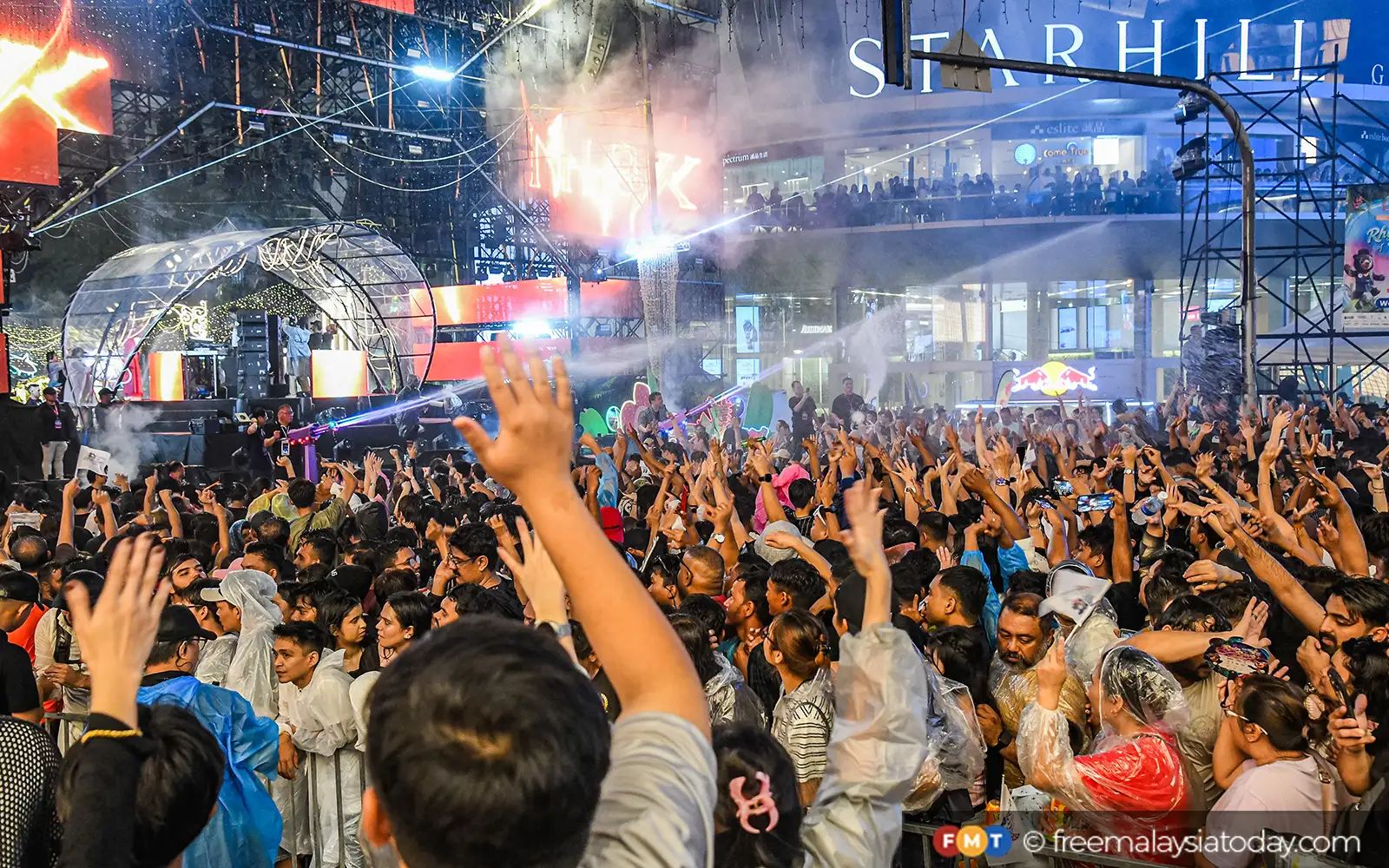
Citing “recently released data”, Malaysian Inbound Tourism Association president Mint Leong said the festival, held from April 30 to May 2, also recorded 1.4 billion clicks across global social media platforms.
Leong did not state where the data came from.
“If this form of ‘traffic-driven economy’ can be effectively transformed into tangible outcomes in the short term, its impact on Malaysia’s national branding, international visibility, and future tourist conversion potential should not be underestimated,” she said in a statement.
Her statement comes two days after PAS described the event as merely a large-scale disco and accused the government of lacking imaginative ideas.
PAS had claimed in January that the event did not reflect the Malaysian identity.
In acknowledging that the festival attracted controversy, Leong said innovation would inevitably face challenges.
“Retreating due to controversy would deprive the country of forward momentum,” she said, while expressing support for tourism, arts and culture minister Tiong King Sing for pushing ahead with the initiative.
Leong said the festival showcased Malaysia’s cultural identity by combining traditional dance elements with DJs and electronic music, while pausing performances during prayer times and banning alcohol and water guns on-site.
She also said without such large-scale, content-driven events, Malaysia could lose its competitive edge to neighbouring countries in the regional tourism landscape.
Leong urged the government to refine existing mechanisms and leverage the festival’s promotional impact to establish Rain Rave as an annual flagship event.