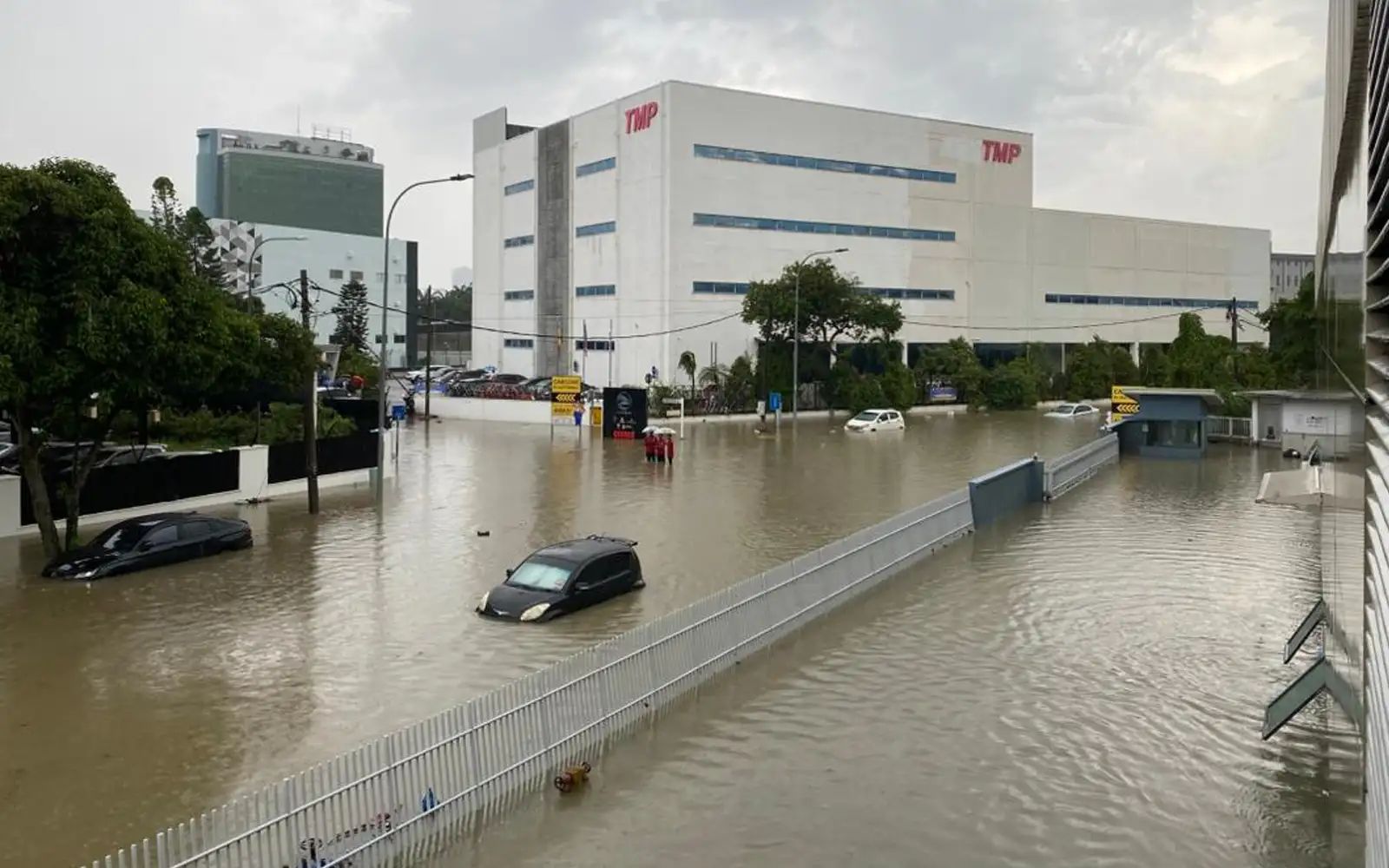

Chan Ngai Weng of Universiti Sains Malaysia said PJ could no longer depend on its old drainage system, especially with heavier rain, rapid development, and fewer green areas putting more pressure on the system.
“PJ’s drains were built in the past to accommodate the climate and weather then. They cannot handle today’s extreme storms and rains brought about by climate change,” he told FMT.
Chan said the city needed more “sponge city” measures like parks, rain gardens, ponds, and permeable pavements that allow water to seep into the ground.
“Local development must reduce paved surfaces in PJ and Shah Alam as much as possible, and increase green surfaces and parks, gazette ponds and lakes, restore degraded rivers, and replant riverine trees instead,” he said.
Many older parts of PJ were designed for past conditions when there was less runoff, more green space, lower peak rainfall and slower rainwater flow, according to the Institution of Engineers Malaysia.

“This results in hydraulic overload, where the drainage system simply cannot discharge water quickly enough during heavy storms,” said its president, Yau Chau Fong.
Yau suggested that the city council (MBPJ) appoint a qualified consultant to carry out a hydrological and hydraulic study to review drain sizes, identify stressed areas and propose solutions.
Parts of PJ were hit by flash floods in April and May, prompting the city council to draw up a long-term action plan with the drainage and irrigation department to reduce the risk of recurring floods.
Poor upkeep, too much concrete
Chan said the widespread use of concrete changed how rainwater moved through PJ, with areas that once absorbed rain replaced by roads, buildings and paved spaces.
“This results in most rain and stormwater running off mostly as surface runoff, entering drains and rivers within minutes, resulting in frequent flash floods,” he said, adding that a 40% increase in developed area could raise runoff by 190%.
He said poor upkeep of drains also blocks waterways with silt, rubbish and sediment making them shallower, thus reducing the amount of water they can carry.
While short-term steps like unclogging drains, using mobile pumps and putting up barriers at flood hotspots could be done, he said there was no short cut to solving PJ’s flood problem.
The academic said swollen rivers such as Sungai Penchala and Sungai Klang could also cause backflow, where river water pushes back into city drains and roads during heavy rain.
Chan raised concerns about the SMART Tunnel, saying it protects Kuala Lumpur by diverting floodwater downstream but may increase pressure on PJ and Shah Alam during major thunderstorms if rivers and drains there cannot cope.
Causes of PJ flash floods
PJ’s flash floods were partly caused by river overflow in low-lying stretches, including near existing bridges and temporary bridges built by developers, according to the Selangor department of irrigation and drainage.
The department said intense rain of more than 60mm in under one hour has been occurring more often in urban areas such as the wider Petaling district.
It said said another factor was the lack of control gates, flap gates and pump systems at outlets from MBPJ’s monsoon and roadside drains.
While no flood mitigation project is being carried out in PJ, it said, the Sungai Penchala Phase 2 riverbank stabilisation and strengthening project is set for completion on Feb 28 next year.
For the long term, the department said dense areas like PJ needed more ways to hold and slow rainwater before it enters the main drains, suggesting underground tanks beneath buildings or car parks, while also backing “sponge city” measures.