The track was new, the field strong, the moment unforgiving.
R Yamunah got up.
She remembered what her teacher-coach, V Manickavasagam, had told her: finish the race, no matter what.
She ran again, chased down a Singaporean rival and crossed the line first. The win brought a national record. The memory stayed for life.
That race, recalled more than five decades later, captures more than a single act of courage.
It points to a time when Cameron Highlands was not just cool air and tea estates, but a nursery of endurance runners who could match the best in the region.
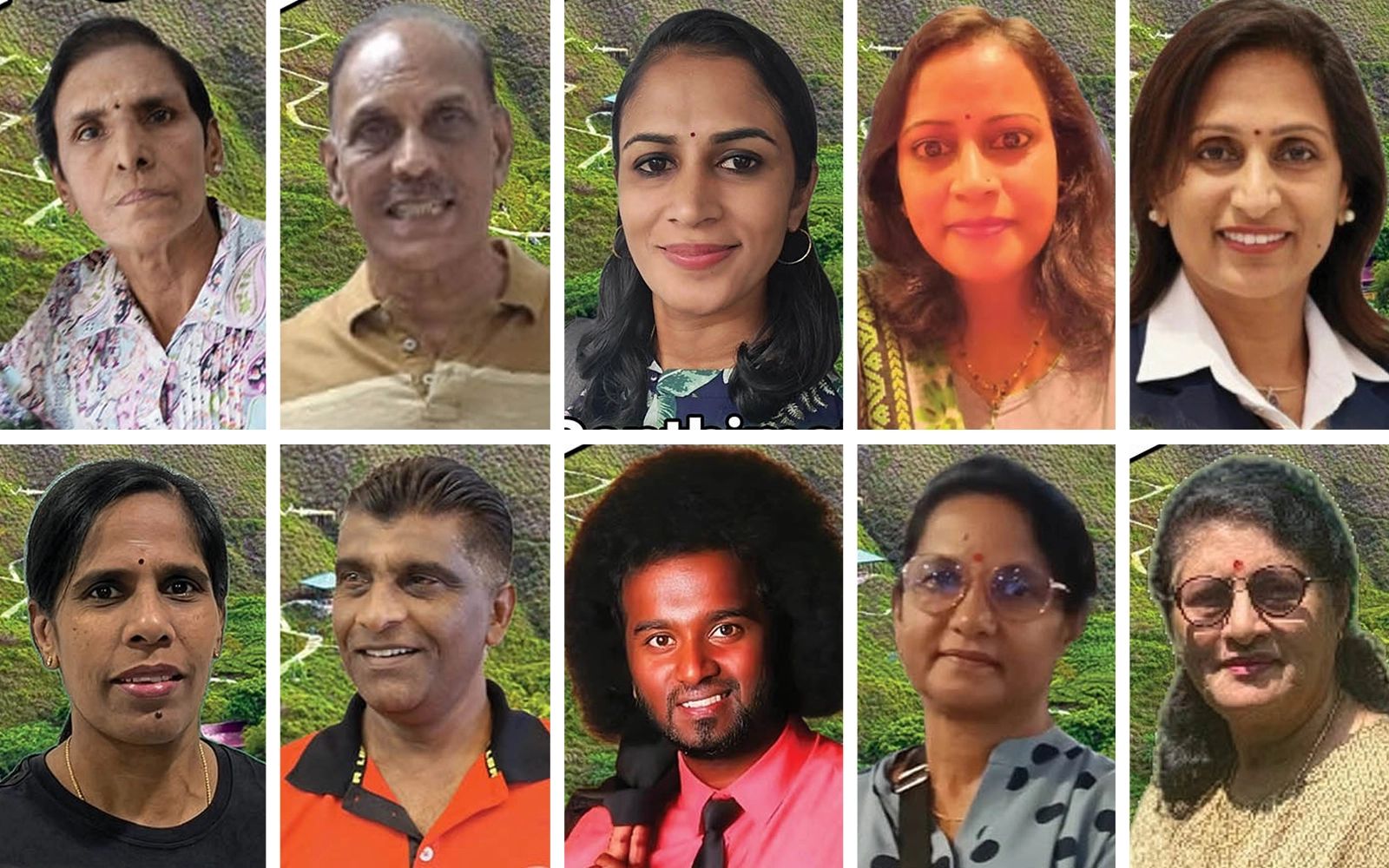
Last Saturday, that legacy returned to the spotlight. Ten former athletes were honoured for putting Cameron Highlands on the national athletics map.
They were P Jayanthi, C Ambiga, K Ganthimathi, R Yamunah, Hemalatha, Letchumy, S Selvararasi, Manoj Singh, M Sathurmugan and N Belaya.
The ceremony was modest. The story behind it was not.
For more than two decades, from the late 1960s into the 1990s, Cameron Highlands produced a steady stream of middle and long-distance runners.
Many began as schoolchildren at SM Tengku Ahmad, now SM Sultan Ahmad Shah. They ran the 800m and 1500m, 3000m, 5000m, even the 400m, and they excelled.
A teacher, a hill, a habit of running
At the centre stood a teacher who never claimed to be more than that.
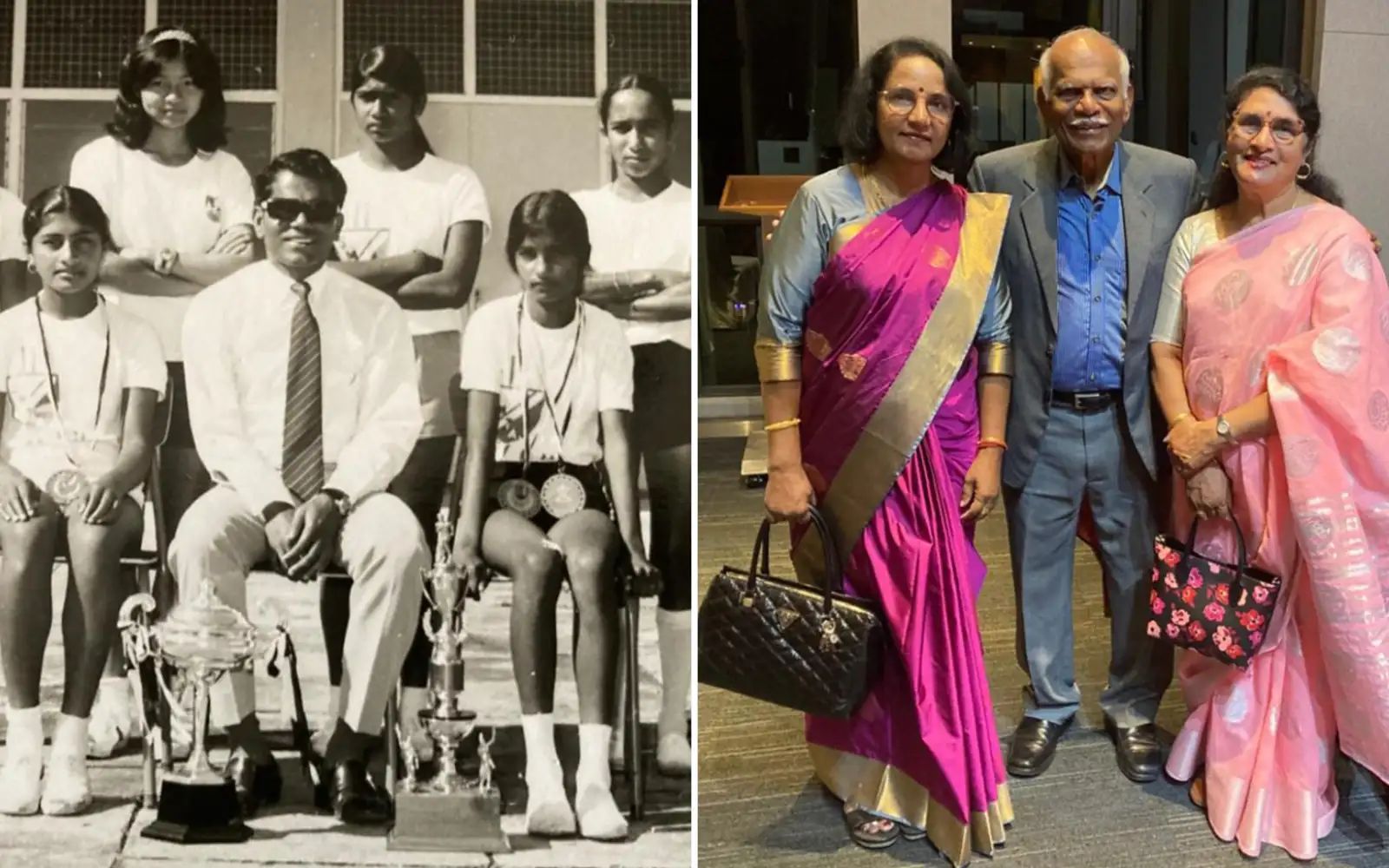
Manickavasagam arrived in 1967 to teach English, History and physical education. During PE classes, he noticed something unusual: some students were strong on their feet, tireless, eager to run.
He started with a small group. Ambiga and Selvararasi stood out.
Ambiga won medals at district and national schools meets in the 800m and 1500m. At 13, in 1971, she caught the eye of Malaysia’s head coach, American Bob Schul, at the national schools meet in Merdeka Stadium.
Schul described her as “a girl with tremendous potential” after she beat the national mark of Ratan Kaur Kler by 7.5 seconds in the 1500m, clocking 5:05.7.
Yamunah followed on the same path, running with a maturity beyond her years.
Manickavasagam had been a 400m runner for Selangor in the early 1960s. He held no coaching certificates, only an eye for effort and a belief that discipline could turn raw ability into results.
He said: “Training stayed simple, the environment did the rest.
“Cameron Highlands sits at altitude. The air is thinner, the temperatures cooler. Students walked miles to school before boarding buses.
“Many helped their families in tea plantations and vegetable farms. Strength came from daily life, not designed programmes.”
By 1970, Manickavasagam felt his runners were ready. He drove them to competitions himself, often in a Volkswagen, across districts and to Kuantan for state meets.
“We slept in classrooms and competed the next day. Comfort was never part of the plan,” he said.
Results came quickly. SM Tengku Ahmad grew into a force at district, state and national level.
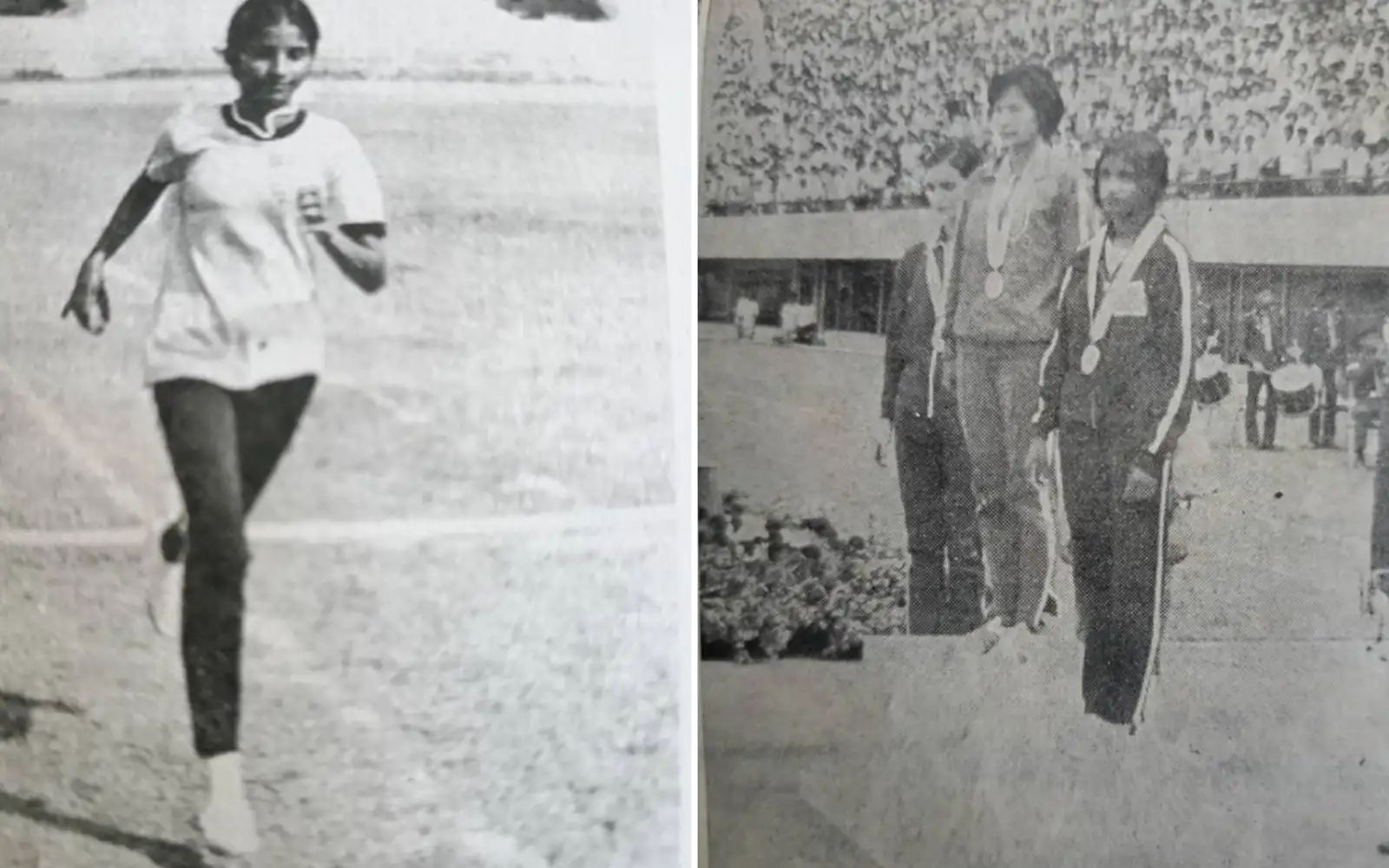
Yamunah competed at the national schools meet at 13, then moved into the Malaysian Open the following year.
Her fall-and-finish race became part of athletics folklore, not just for the record, but for the mindset her coach instilled.
From school tracks to national records
After her came P Jayanthi, who rose from the same soil to become Malaysia’s most accomplished female distance runner.
She dominated the 1500m, 3000m and 10,000m in the early 1990s, setting national records that have stood for about three decades.
Jayanthi won SEA Games gold medals and competed at the Asian and Commonwealth Games.
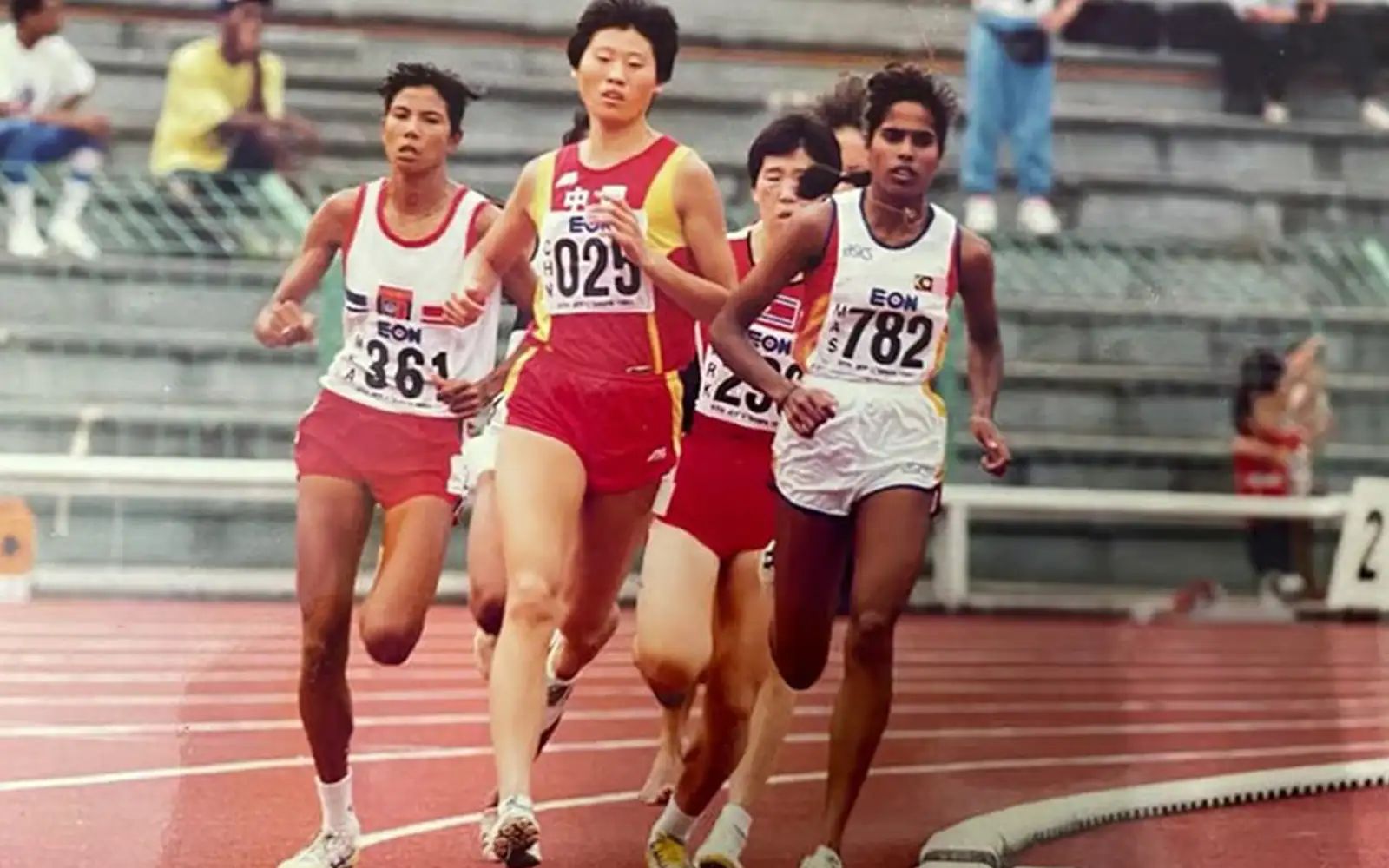
Her achievements stretched the boundaries of what Malaysian women could do in endurance running. Yet she points back to Cameron Highlands as the place that made it possible.
Altitude helped. So did competition. So did a culture of running built through schools and simple coaching.
That culture now feels distant.
Malaysia has struggled to produce depth in women’s middle and long-distance events in recent years. Training bases have shifted. The link between schools and sustained development has weakened.
Cameron Highlands, once a quiet engine of talent, is rarely mentioned in that conversation.
That is why last Saturday mattered.
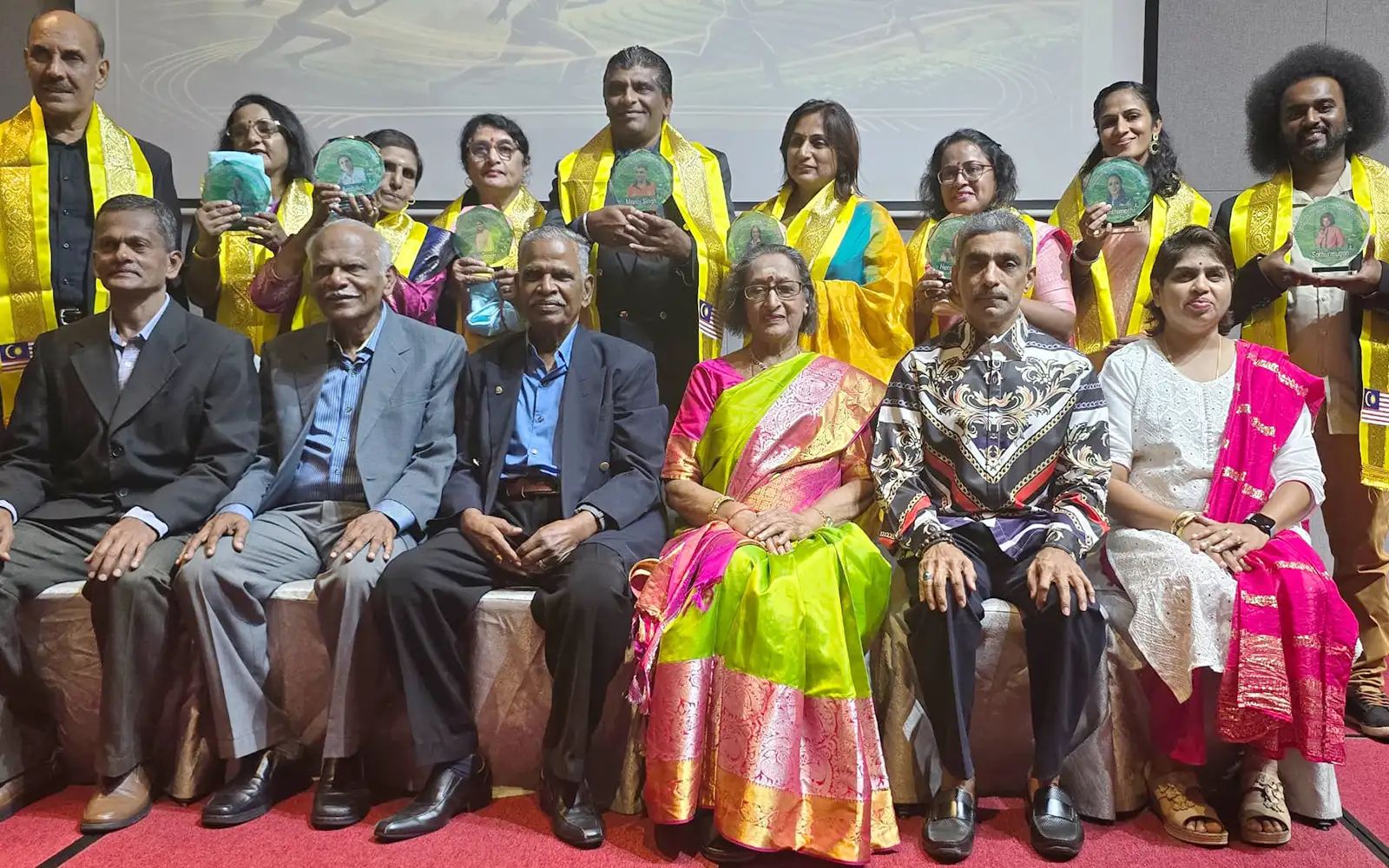
The ceremony did more than recognise individuals. It brought together a generation who shared the same roads, the same school fields, and the same belief that running could carry them beyond the hills they grew up in.
They stood together again, older now, but bound by memory and effort. Around them were figures from Malaysian sport who understood what those years meant.
There is a temptation to treat such moments as nostalgia. That would miss the point.
Cameron Highlands did not produce champions by accident. It combined environment, routine hardship and committed teaching.
It showed what can happen when young athletes have space to run, guidance to improve and chances to compete.
The lesson is not to look back with regret, but to ask what can be rebuilt.
Yamunah’s race in 1973 still speaks. It speaks of resilience, of coaching that valued character, of a system that worked even in its simplicity.
It speaks of a time when a schoolgirl could fall, rise and still outrun the field.
Last Saturday, the applause recognised that moment and many others like it.
It also carried a quieter message.
Cameron Highlands once made runners who could stand tall on any track. With the right attention, it might yet do so again.