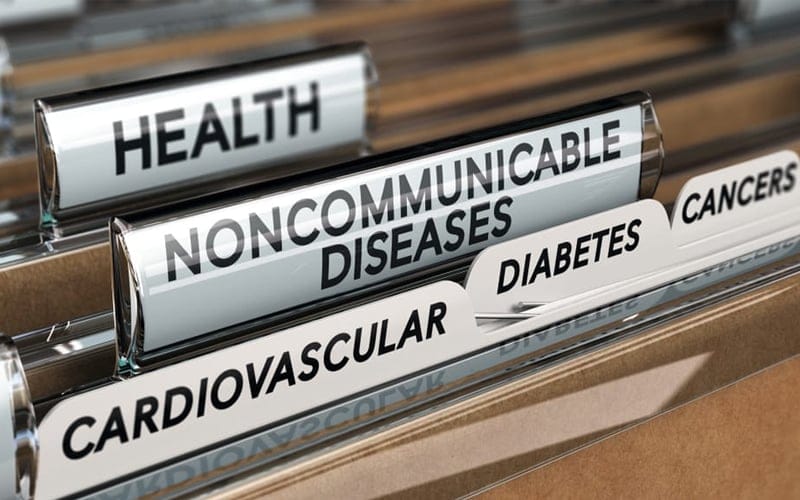
During the annual United Nations General Assembly 2018, WHO announced that the key to address NCDs would be to improve the management aspect of the NCDs response.
“Management” includes the detection, early screening and treatment of NCDs as well as palliative care.
Despite substantial efforts to increase awareness, the rate of NCDs continues to increase but advocacy among the public remains low.
Early detection is critical
The most important element about these critical chronic diseases is that they can be well managed during the early detection stage. Yet, the early detection take-up rate among the public is still far from ideal.
Early detection of NCDs significantly reduces a patient’s financial burden; not only is the cost of treatment more affordable in the early stages, but patients will also have better chances of recovery when they are given access to effective treatment in time.
Always remember to go for regular health screenings as well as immediate consultations with your doctor if you notice anything unusual as it’s better to be safe than sorry. A visit to the doctor can make all the difference.
Let’s take the example of Ischemic heart disease. It may take years for a single heart attack to happen. When one vessel is blocked, blood will flow through collateral vessels around it.
Collateral vessels are abnormal blood vessels that connect the aorta with the pulmonary arteries. The aorta is a blood vessel that carries blood from the heart to arteries throughout the body. This helps to prevent the particular heart tissue from starvation.
Over time, when collaterals are no longer available, the tissue will eventually be deprived of oxygen and malfunction. Hence, by the time you get that crushing pain in your chest, the disease has actually already progressed to quite a critical stage.
High cost of medical treatment
So what happens after an NCD has been detected? Unfortunately, the cost of medical treatment tends to be high.
Take cancer, for example. There is radiotherapy at approximately RM50,000 per cycle and chemotherapy which costs RM75,000 per cycle. This amount does not include doctors’ consultations, medications for pain management and patient care.
Even worse, the cost of healthcare is projected to increase annually with healthcare inflation at approximately 15% according to the Life Insurance Association of Malaysia, Persatuan Insurans Am Malaysia and Malaysian Takaful Association.
The long-term ongoing costs that come with certain NCDs are also often overlooked.
There are certain courses of medication which need to be taken for a lengthy period of time. In the event of an NCD which affects motor skills, such as a stroke, patients might need extensive regular physiotherapy and rehabilitation at approximately RM150 a session.
A professional care programme for patients in need can cost anywhere from RM1,000 to RM5,000 depending on the degree of specialisation, the number of available hours and the scope of work.
The financial burden is further worsened if the patient isn’t well enough to continue work for an extended period of time. Even if they aren’t the sole breadwinner, financial strain can arise from their loved ones needing to leave work to take better care of them.
With so many factors to take into consideration, is there a way to get peace of mind? A critical illness insurance plan can provide you and your loved ones with a financial safety net.
A more comprehensive plan will even cover you from the early to advanced stages of the diseases.
Do some research and find a plan that covers you for the medical treatments and other necessary expenditures, as well as helps you and your family cope with unexpected changes in your lifestyle and ability to work.
This article first appeared in hellodoktor.com and was reviewed by the Hello Doktor Medical Panel. The Hello Health Group does not provide medical advice, diagnosis or treatment.