
The harmful health effects of tobacco products, including cigarettes, are well known, but to date there is little or no data on the long-term effects of vaping, i.e. using electronic cigarettes.
But a new study by United States researchers now reports observing respiratory symptoms, such as wheezing and shortness of breath, in young vapers.
As vaping becomes more popular, scientists are increasingly investigating its potential health effects. The latest such study reveals an increased risk of bronchitis and shortness of breath in teenagers and young adults who vape, whether or not they simultaneously smoked regular cigarettes or cannabis.
Researchers from several US universities tracked the respiratory health of 2,097 students with a median age of 17 who participated in the Southern California Children’s Health study between 2014 and 2018.
These young people were asked to complete a questionnaire on their use of tobacco products and respiratory symptoms in 2014.
Then, further information was added to the questionnaire – including cannabis use – during the different waves of the survey in 2015, 2017 and 2018, for a majority of participants.
With each questionnaire, they were asked to indicate their cigarette and e-cigarette consumption over the last 30 days.
Increased risk of respiratory effects
Published in the medical journal “Thorax”, the research involved the analysis of data from 2,094 young people, 476 of whom reported a lifetime history of asthma in the first wave of the survey.
Reported symptoms included wheezing and shortness of breath, the prevalence of which varied from wave to wave of the survey, while bronchitis-related symptoms were the most frequently mentioned in each wave, ranging from 19.5% in 2014 to 26% in 2018.
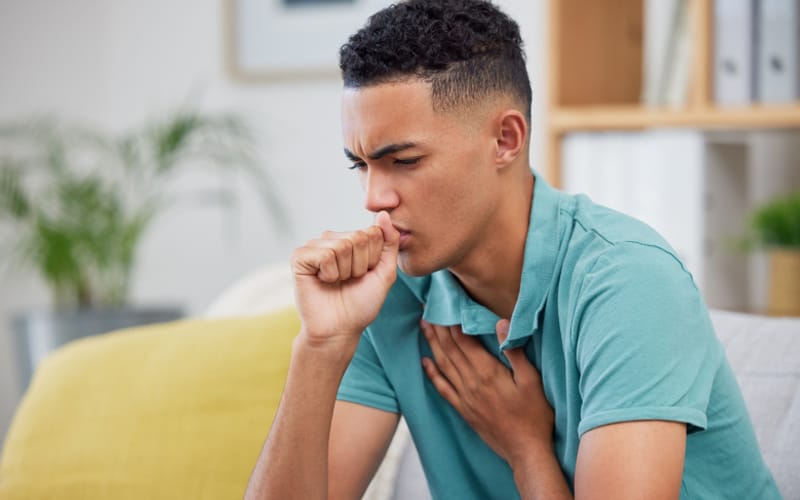
E-cigarette use, meanwhile, rose from nearly 12% in 2014 and 2015 to over 15.5% in 2018. And the verdict seems clear-cut, since the researchers report an 81% higher risk of wheezing among e-cigarette users than among those who don’t vape.
The same was true for symptoms related to bronchitis (twice the risk) and shortness of breath (78% higher risk).
Importantly, in addition to adjusting for age, sex and origin, the researchers took into account the simultaneous consumption of cigarettes and cannabis, as well as passive smoking.
As a result, these “further adjustments slightly weakened all the observed associations, but these still remained statistically significant, except for wheezing”, reads the study news release.
It goes on to state that “the estimates of vaping effects were slightly stronger among those with no potentially influential past 30-day cigarette or cannabis use”.
The study has its limitations, however, not least because it is observational and cannot establish a direct cause-and-effect relationship between vaping and respiratory symptoms.
The findings are also based on self-report and -evaluation questionnaires. Further research is needed to confirm these initial findings, although the authors are now calling for the impact of vaping products on respiratory health to be monitored and taken into account by the relevant authorities.
“This study contributes to emerging evidence from human and toxicological studies that e-cigarettes cause respiratory symptoms that warrant consideration in regulation,” the researchers say.
“It suggests that regulatory assessments of the population health cost underestimate the effects of late adolescent and young adult e-cigarette, cannabis and tobacco product use.”