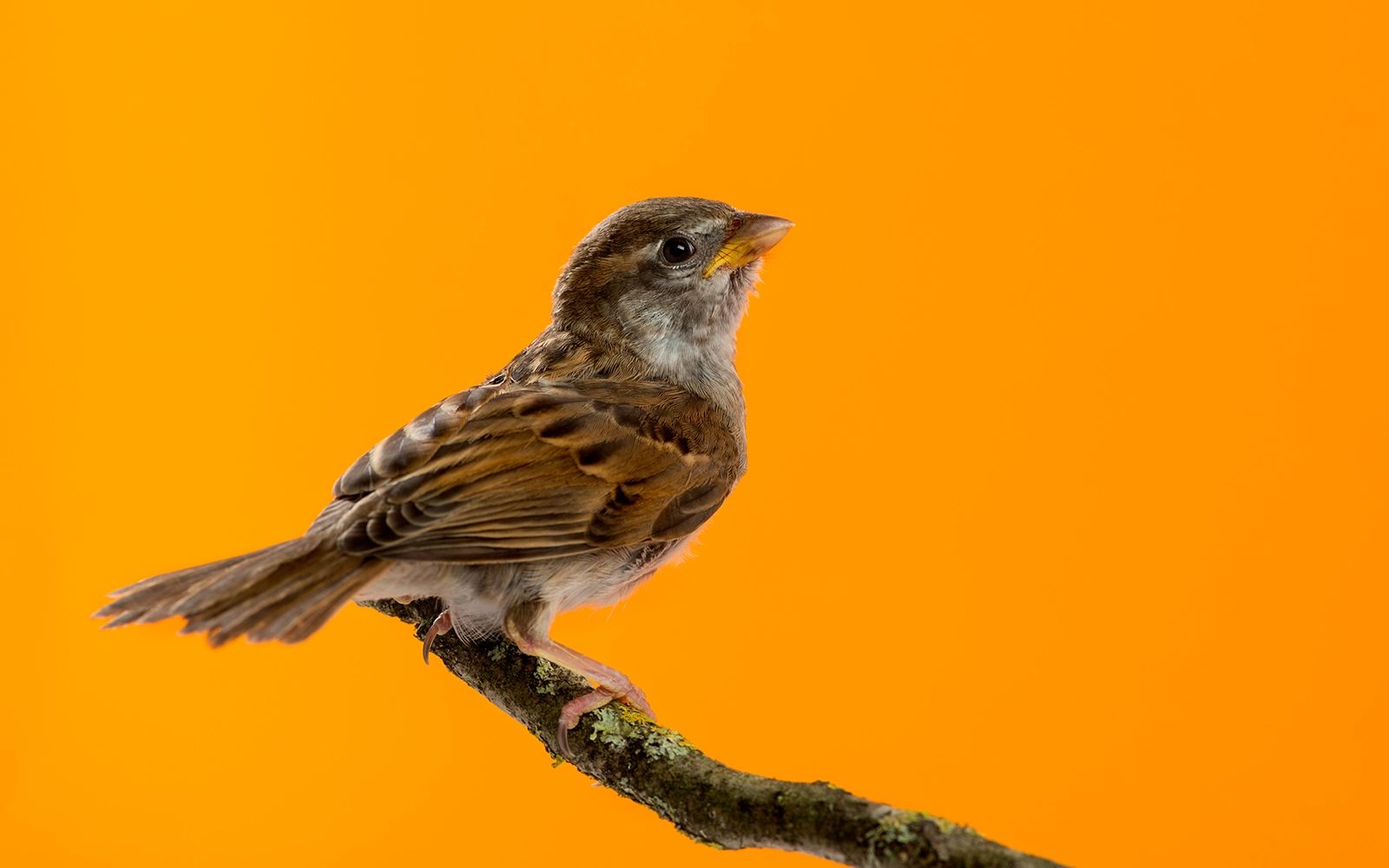
March 20 is World Sparrow Day, a timely reminder that ordinary Malaysians share a living space with little creatures too often taken for granted.
In recent years, scientists have observed the plummeting number of common birds, particularly sparrows, throughout the world.
This should be cause for concern in Malaysia, where many species are already endangered by unrestrained human development.
In light of this, FMT Lifestyle caught up with Andrew Sebastian, avid birdwatcher and president of the Ecotourism and Conservation Society Malaysia (EcoMY) on what can be done to help conserve the country’s sparrows.
Andrew said that as a young lad, he was more interested in frogs and snakes, at least, until a fateful trip up Fraser’s Hill.
“On a telephone wire, there was this red bird. We were all looking, shocked and amazed. I didn’t know that within our country, we had such a beautiful bird.”
His research revealed that he had been looking at a red-headed trogon. This incident was the beginning of Andrew’s fascination with birdwatching, something he has been doing for the past two decades.
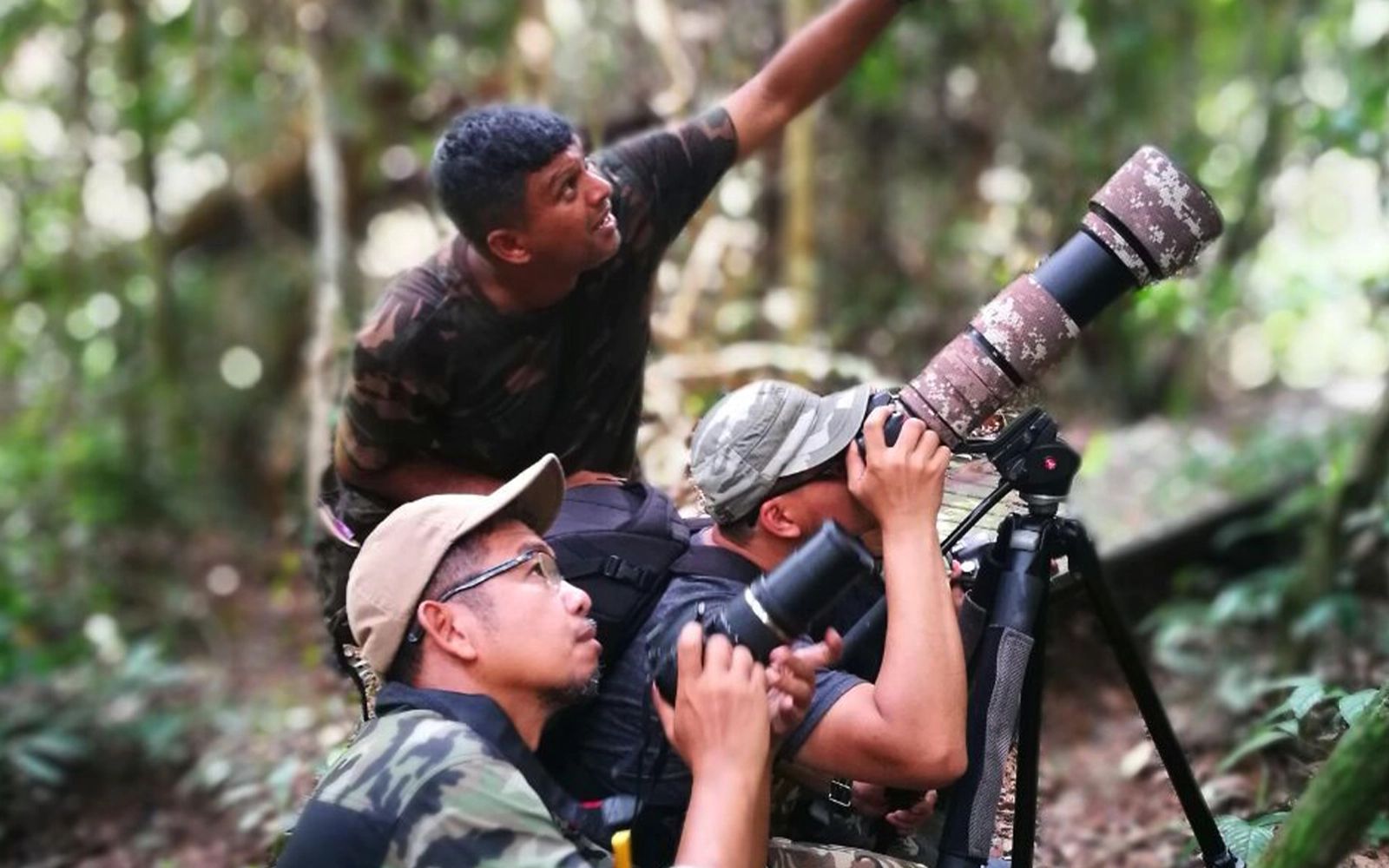
In addition to documenting bird sightings, Andrew also guides fellow birdwatchers from overseas on expeditions in Malaysia and sometimes Indonesia.
In 2015, Andrew founded EcoMY, an NGO which champions ecotourism by connecting people with the natural world.
“It’s nice to have beautiful things in the forest but if no one knows about them, people won’t be interested in conserving them.”
While birdwatching normally takes place in forested areas, Andrew said that urban birdwatching is also popular, with migratory birds sometimes making stops in ordinary neighbourhoods.
According to him, birds tend to gather at rich sources of food, and they also build nests in areas in which they feel safe.
“Some species of birds can also be indicators of the health of an ecosystem,” he said. “For example, some kingfishers are only found in areas of a certain water quality.”
While some older people believe they see fewer birds than they did in the past, Andrew said: “The frequency of sightings depends on the area, as well as the species of birds.”
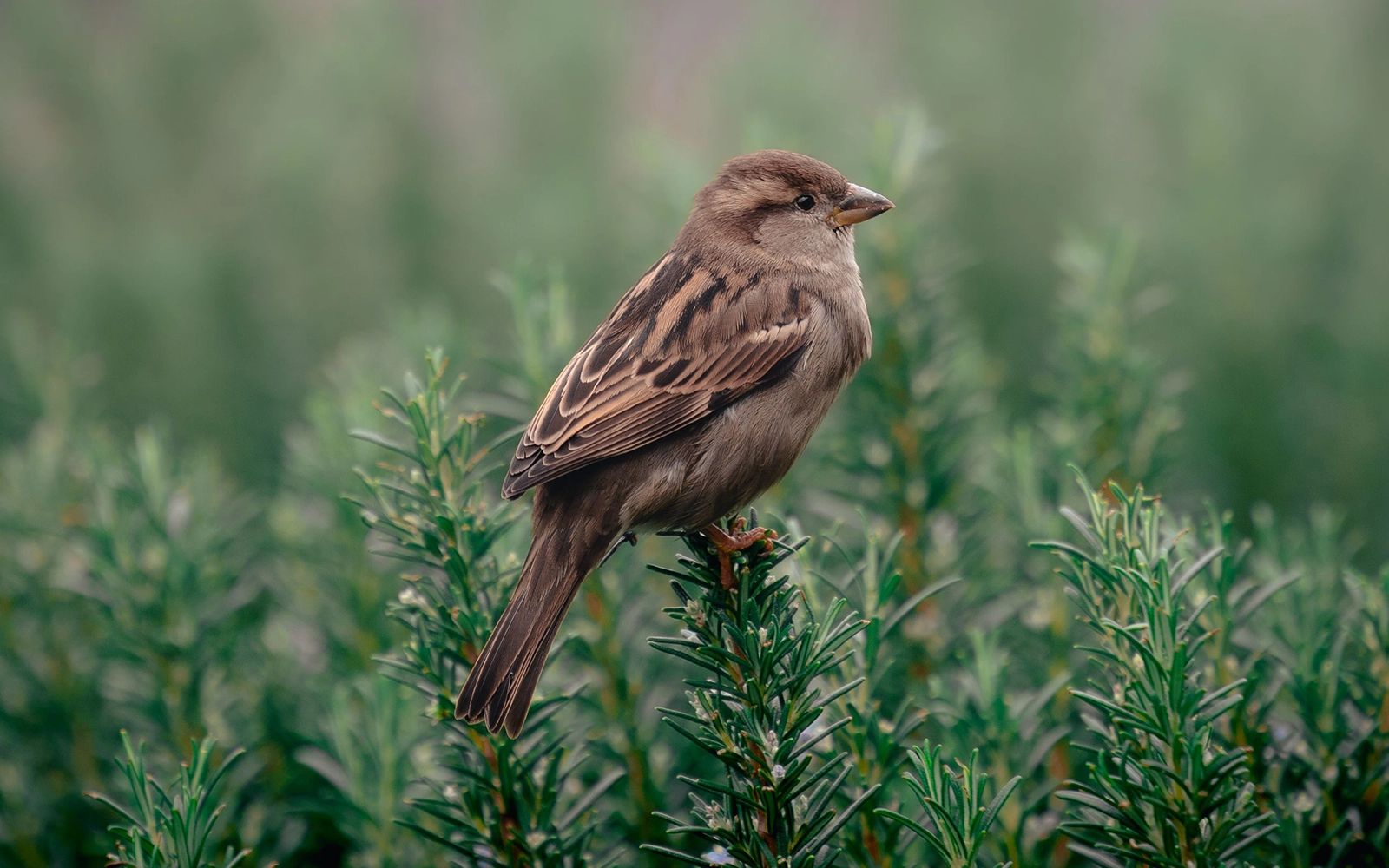
In a rather positive piece of news, he revealed that Malaysia’s urban bird populations, including sparrows, have adapted relatively well to their new surroundings.
“They have found a niche for themselves, knowing there is food around humans.” Gardens which draw insects are an example of a primary feeding ground for city-living birds.
Though their role in the ecosystem is less noticeable than those of their wilder cousins, sparrows and the like still have their own parts to play, keeping insect populations at manageable levels.
It is not all roses for sparrows, though, as they face their share of challenges to their survival.
Andrew said that urbanisation itself poses some danger to them, as humans often come accompanied by a certain four-legged companion.
“Cats are a known and documented threat, which kill and hurt lots of wild birds,” he said, pointing out that the avian populations in some countries have been decimated by domestic cats.
To avoid this from happening here, Andrew suggested putting a limit on the number of cats living in a single household.
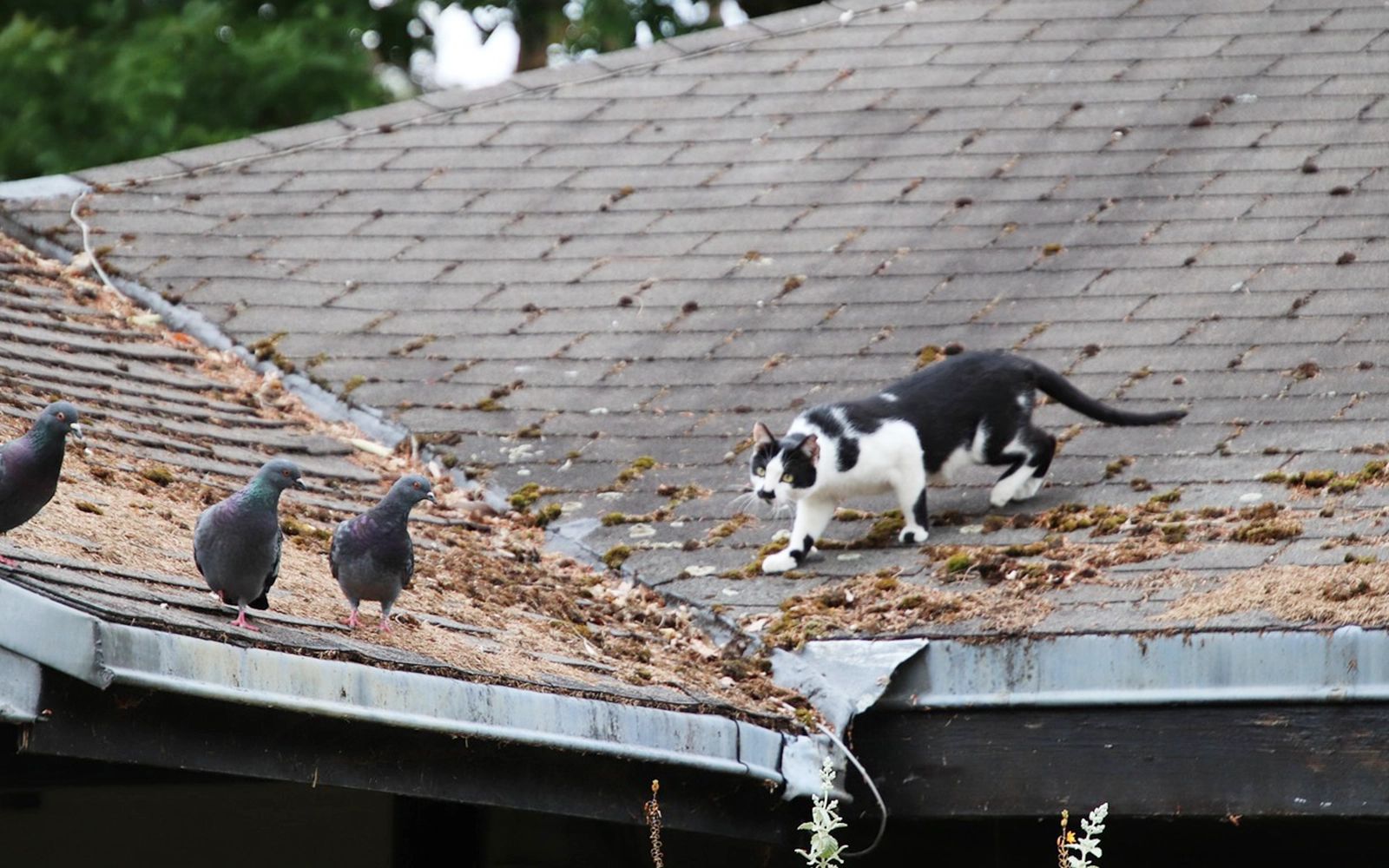
He also recommends putting bells on one’s kitties, to give birds fair warning before they get turned into dinner.
And to encourage sparrows and other urban birds to flourish, he said that Malaysians should consider greening up their homes more.
“People should plant as many flowers and fruiting trees as possible so that birds can share in nature’s bounty,” he said.
Reforestation efforts by the government would also be a boon to birds, as would the expansion of recreational areas and parks.
“Local councils should get involved as Malaysia is known as a megadiverse country. We have a lot of diversity; we have a lot of wildlife.”
Turning Kuala Lumpur and other urban areas into garden cities would not only benefit the people but also smaller inhabitants, like the humble sparrow.
For more information, visit Ecotourism and Conservation Society Malaysia’s website or follow them on Facebook.