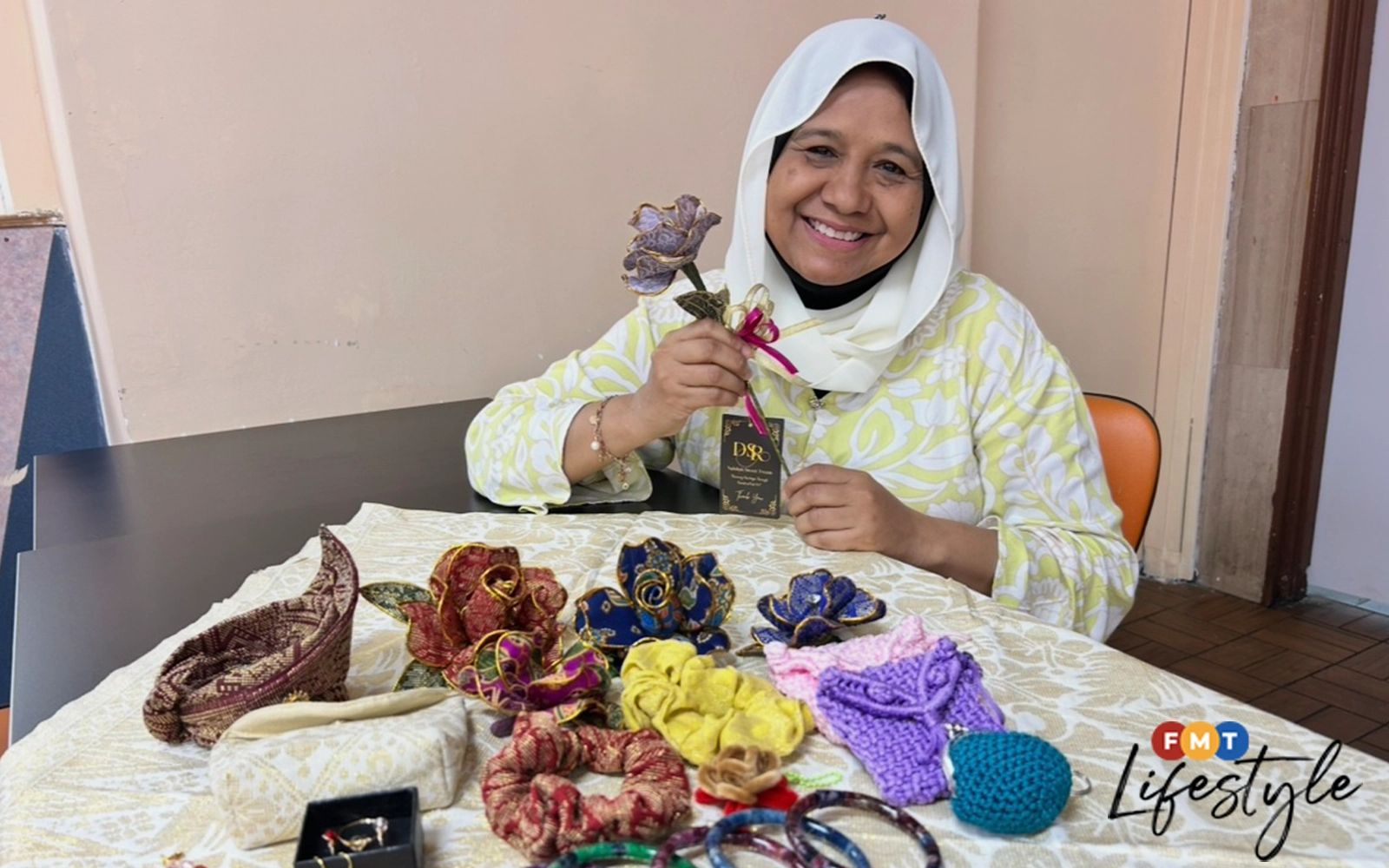
As a secondary school student, she made simple handmade items – home décor from wooden clothes pegs and photo frames fashioned from cardboard, fabric and lace. She sold these to friends and neighbours to earn pocket money, an early sign of a creative path that would later become her livelihood.
Years on, that childhood interest grew into a home-based business called Dunia Seni Republik, where Rozilah creates and sells a wide range of handcrafted items made using batik and songket.
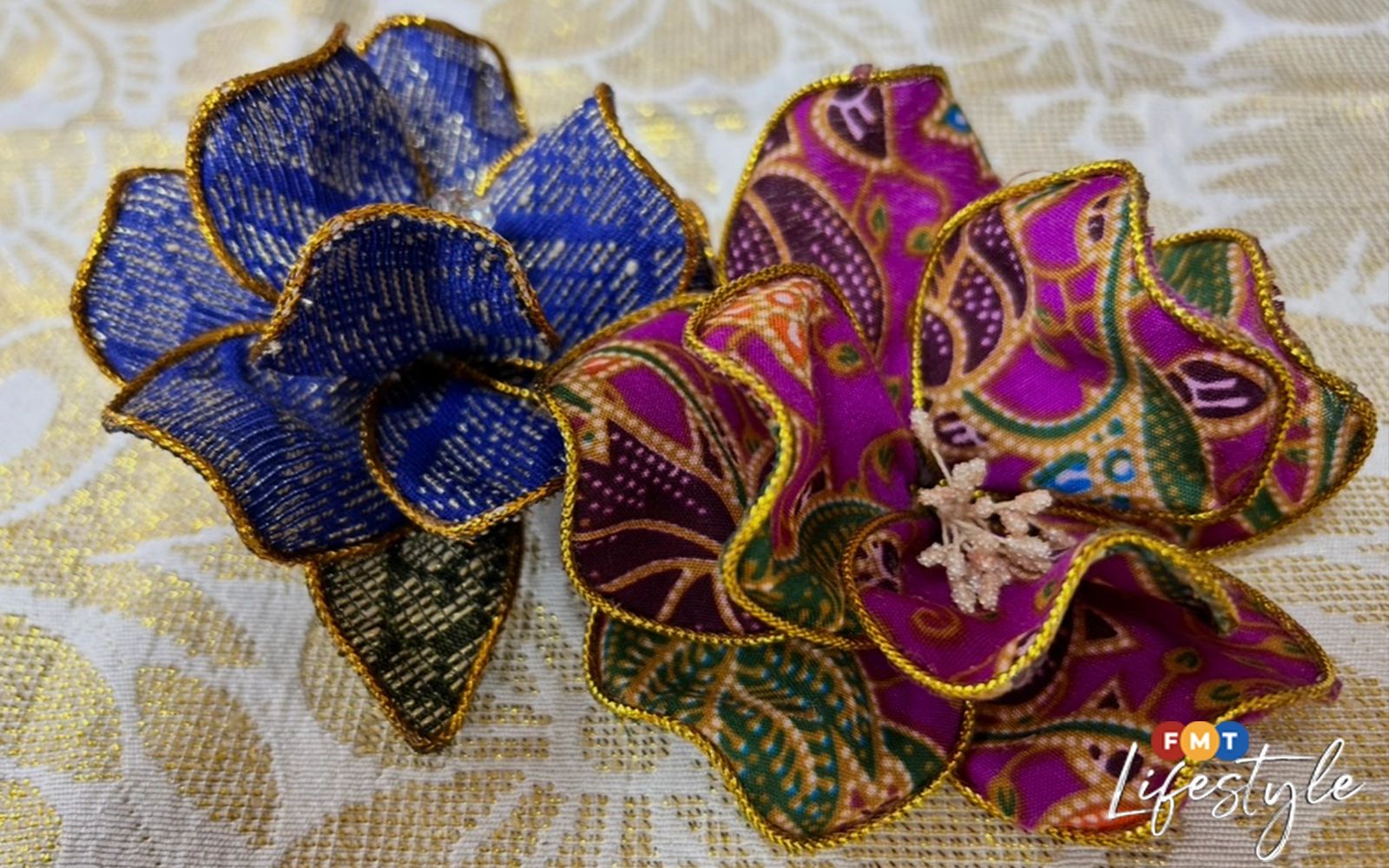
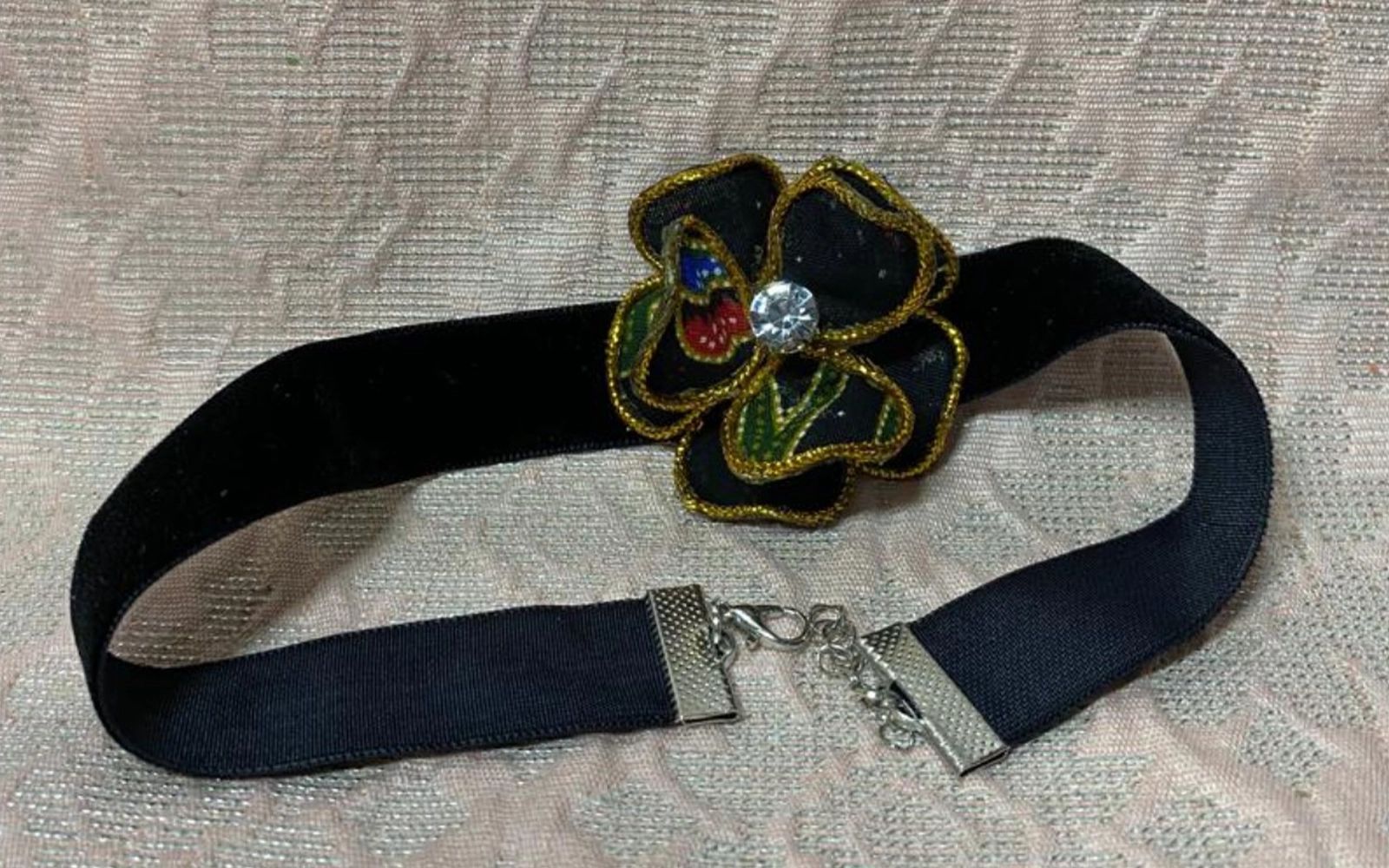
Her products include brooches, “bunga telur”, bags, accessories and tanjak, the traditional Malay headgear for men.
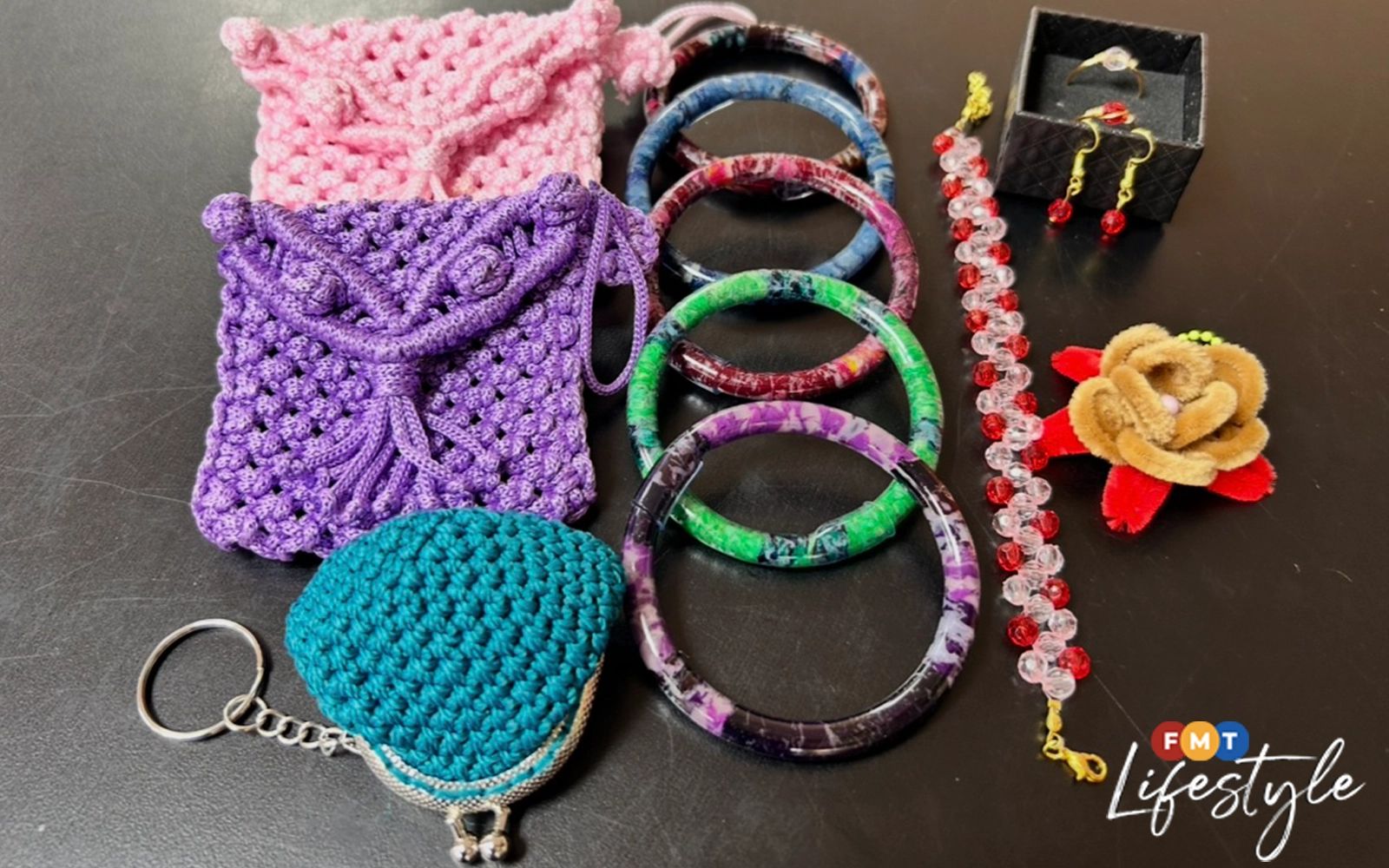
Her creativity does not stop there. Rozilah also crochets purses, produces macramé pieces and crafts accessories from beads.
Among her most distinctive creations are bangles made from clear plastic tubes filled with batik – an unexpected use of simple materials that results in striking, contemporary designs.
“I’m genuinely happy doing this because it feels relaxing – almost like therapy,” said Rozilah. “When I’m making my handicrafts, I don’t worry about anything else, and at the same time I can earn an income,” added the 53-year-old.
Her love for craft, she recalled, has always been part of her life. While still in school, Rozilah sewed her own clothes, inspired by a family steeped in craftsmanship – her father made keris and furniture, while her mother was a tailor.
Before focusing fully on handicrafts, Rozilah ran an event planning business, mainly for weddings. It was there that she noticed a demand for door gifts and began offering her own handmade items as bunga telur, gradually expanding her craft work.
When the pandemic brought physical events to a standstill, Rozilah adapted once again. She shifted her focus to expanding her range of handicrafts, while also running a small food business for additional income.
During this period, she began rethinking how traditional fabrics – often reserved for formal wear – could be transformed into smaller, everyday pieces. Whether a brooch, scrunchie or bracelet, her creations show how batik and songket can be worn casually, adding a subtle elegance to daily outfits.
Rozilah sells her products through social media and at physical booths in various locations. Some of the most meaningful moments, she said, come from customers who take the time to share their feedback.
“When people tell me my products are lovely and unique, it makes me feel happy and fulfilled,” she said, smiling.
She also conducts handicraft classes, something she finds deeply rewarding. Even as a student, she would teach friends how to make crafts.
“It’s my way of passing down what I know to others,” she said.
A major turning point in her entrepreneurial journey came when Rozilah joined the the Khadijah Artisans Mentoring Programme (KAMP). A collaboration between the Khadijah International Waqf (L) Foundation and Persatuan Pembangunan Artisans, it supports craftswomen from low-income backgrounds by providing them guidance to succeed and assistance to increase the distribution channels for their products.

Through KAMP, Rozilah gained valuable insights into pricing, branding and building confidence when engaging customers.
“I’m truly grateful to the KAMP team for teaching me so many things,” she said. “It has motivated me to keep moving forward.”
Looking ahead, Rozilah hopes to take her passion for teaching further by setting up an academy of her own.
For women considering starting a home-based craft business, her advice is simple and encouraging.
“There will always be a market for crafts,” she said. “Once you step into the business, don’t worry too much. Just give it a try.”
Contact Rozilah at 018-279 4288 to purchase her products. Read more about the Khadijah Artisans Mentoring Programme and its artisans here.