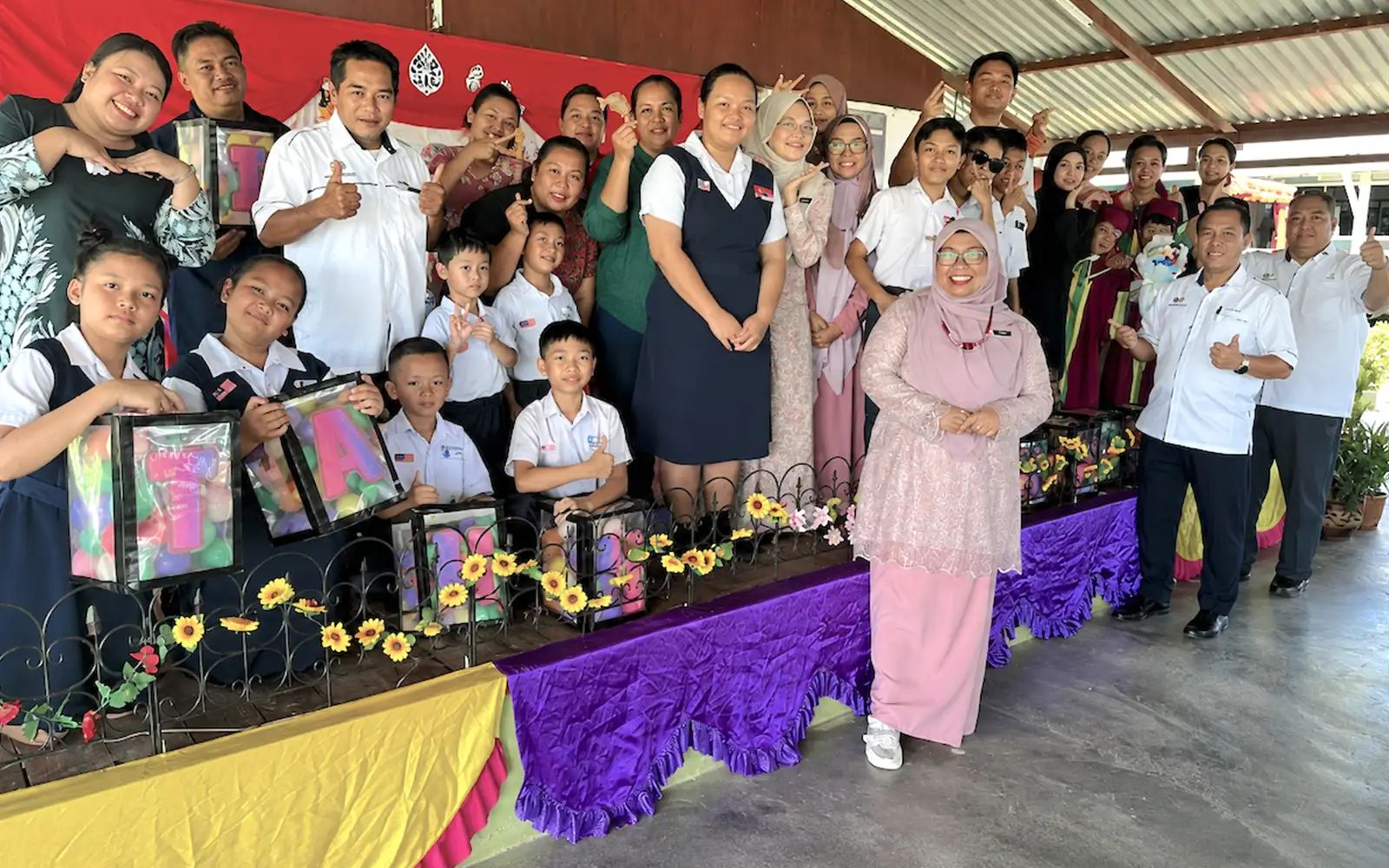
Fresh out of teacher training and raised in an urban part of Kedah, the thought of living far from home in an area with unstable electricity and poor internet connectivity felt overwhelming.
“I hoped to return to peninsular Malaysia to teach. But fate had other plans,” she told Bernama.
The 29-year-old spent five years teaching at Sekolah Kebangsaan Dunstan Seduku, located in a rural district in Sri Aman, Sarawak – an experience she now describes as life-changing.
Over time, the challenges that once frightened her slowly reshaped how she saw the profession. “I eventually realised the true purpose behind becoming a teacher,” she said.
Every weekday would begin before sunrise. Nur ‘Afrina would wake up at 4.30am to prepare for the 45km drive to school, navigating roads affected by high tides near river estuaries.
Sometimes, she would have to wait nearly an hour for floodwaters to recede before continuing the journey. Power cuts, water disruptions and unstable internet connections eventually became part of daily life.
Yet what stayed with her most was not the hardship, but the determination of her pupils. Despite limited facilities, many quickly adapted to digital learning tools, and enthusiastically joined competitions usually dominated by urban schools.
Among her proudest moments was bringing students from the small rural school to participate in a drone competition.
“It was a proud moment to see a small rural school competing alongside those from the city,” she said, adding that the students were creative, confident and eager to learn despite their circumstances.
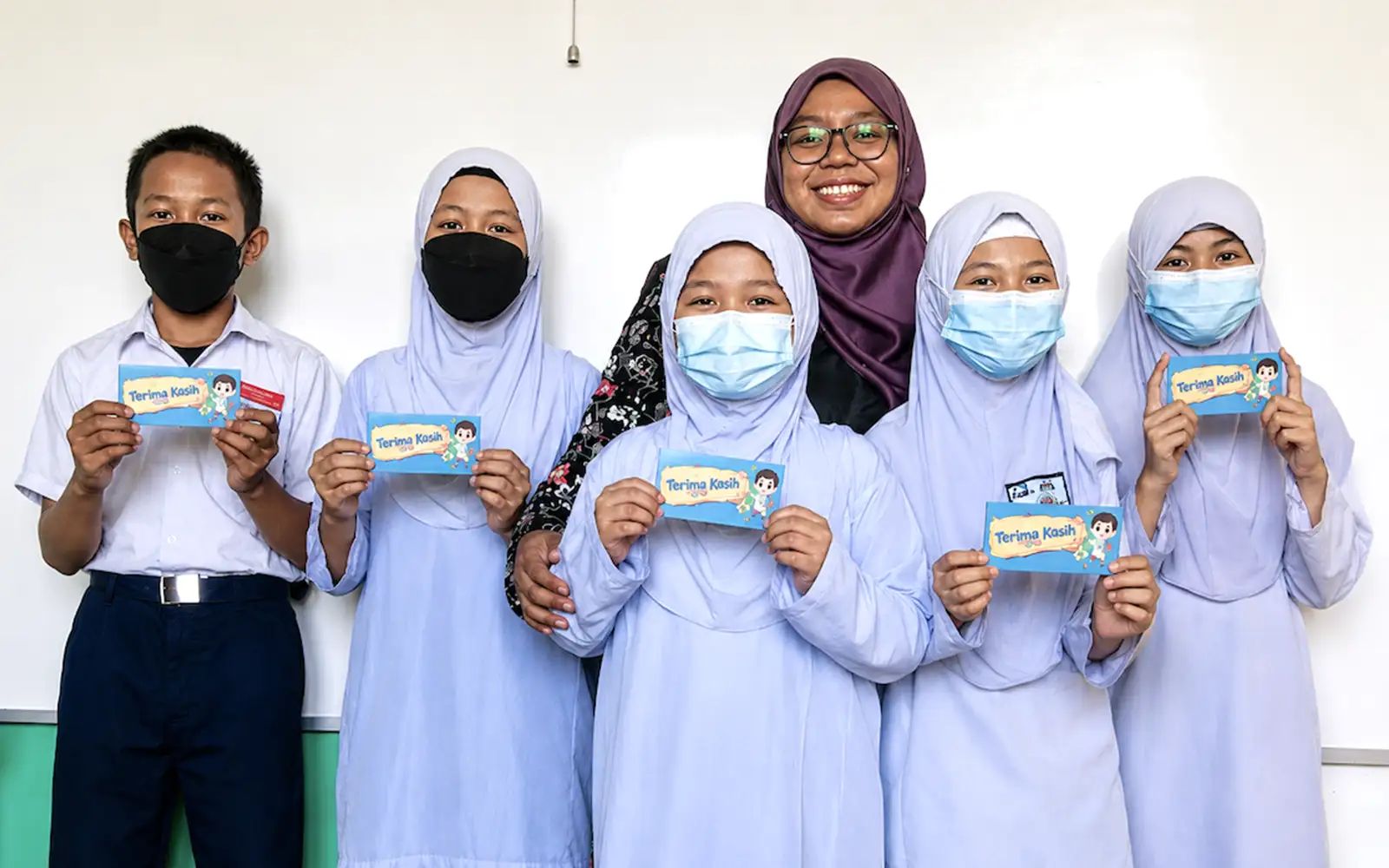
Nur ‘Afrina, who transferred to Sekolah Kebangsaan Perik in Kuala Nerang, Kedah in January, is not alone in discovering unexpected fulfilment far from home.
For Valentine Doimis, teaching only became part of his life much later: before entering education, the 38-year-old Sabah native worked as a technician in Kota Kinabalu.
But a long-standing passion for teaching eventually led him to apply for a position in Sarawak, where he was posted to Sekolah Kebangsaan Lusong Laku in Belaga.
Even after hearing stories about the difficult journey there, Valentine admitted he was unprepared for the reality of the 10-hour trip through rough roads and isolated terrain.
“I was shocked at how different it was from what I had imagined,” he said.
He similarly had to adapt to weak internet access and life far from family. He now lives apart from his wife, who remains in Kota Kinabalu.
Now, his perspective on teaching has changed after spending time with students in the interior. “Working in rural areas has made me appreciate the teaching profession even more,” he told Bernama.
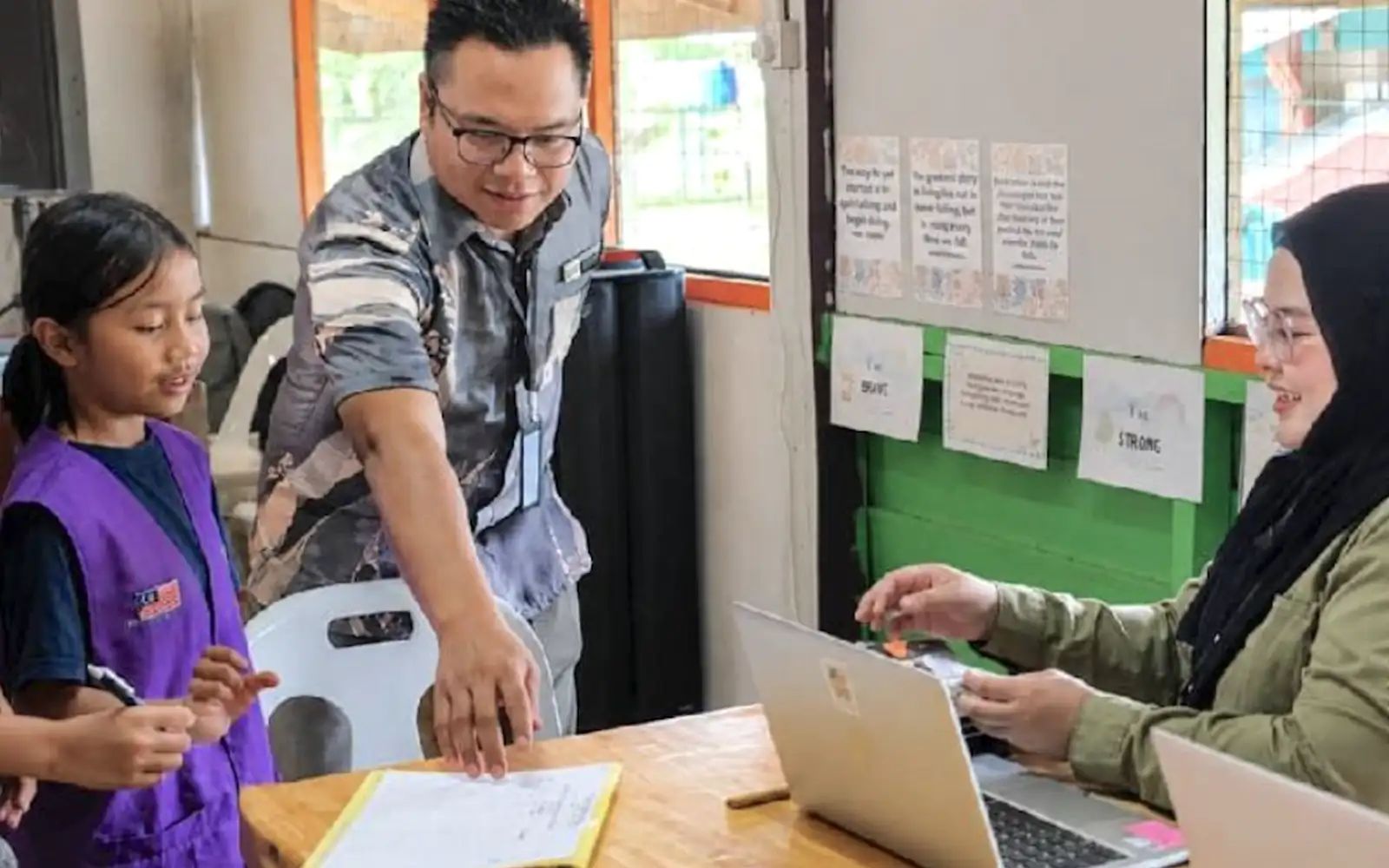
Like Nur ‘Afrina, what has affected him most is the tenacity of his pupils. From as young as seven years old, some children from distant villages live in hostels far away from their parents, simply to attend school.
For Valentine, the most meaningful moments often come quietly: seeing shy students slowly gain confidence, participate more actively in class and improve academically over time.
“Moments like these bring a sense of fulfilment that is difficult to describe,” he said.
Both educators believe teaching in remote areas demands patience, adaptability and sincerity, but also offers lessons that cannot easily be learnt elsewhere, such as perseverance and resilience.
As Nur ‘Afrina puts it: “These challenges are not reasons to give up, but opportunities to continue learning and adapting.”