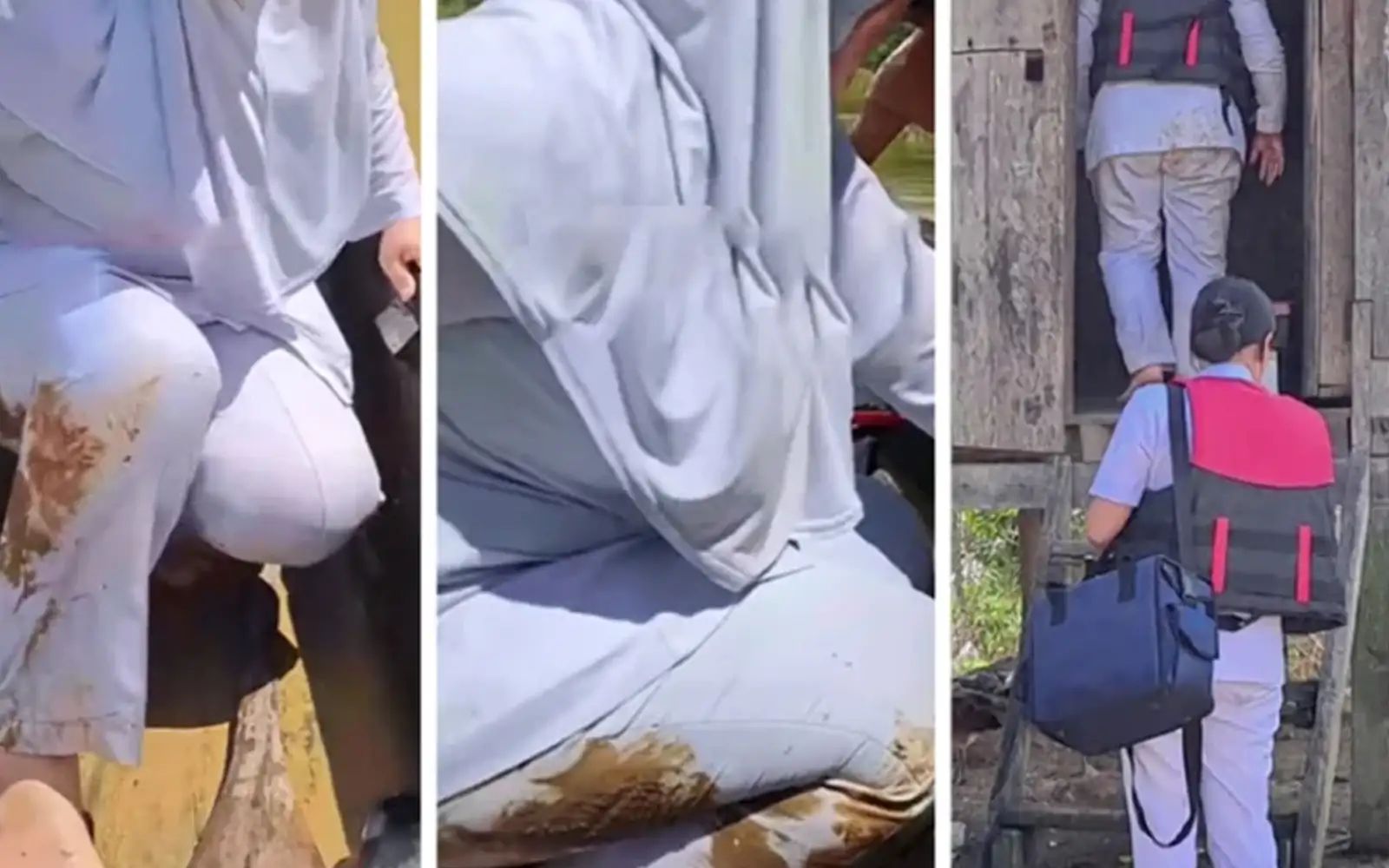
The boatman broke the silence. “Don’t make any noise,” he warned. “There are crocodiles here.”
Nearly three decades later, the moment still lingers vividly in Rukiah’s memory. “It was one of the most frightening experiences of my career,” she said.
But turning back was never an option. The 53-year-old was then serving at Apas Balung Health Clinic and had been dispatched to Bukit Tajam after a woman died from severe bleeding following a home birth.
The journey had already begun badly – moments earlier, Rukiah had slipped from a steep jetty staircase and fallen into the river before climbing aboard the boat, soaked and shaken. Still, the mission continued.
“When we finally arrived, the villagers welcomed us warmly and listened carefully to the health advice we shared,” she said. “At that moment, the fear and exhaustion simply disappeared.”
Now attached to Kinabutan Health Clinic, Rukiah said serving in Sabah’s rural interior often requires healthcare workers to endure conditions rarely imagined by those in urban areas.
Another close call came while she was stationed at Menggatal Health Clinic in Kota Kinabalu during an outreach immunisation programme at a water village.
As she crossed a narrow wooden bridge, one of the planks suddenly gave way beneath her. Rukiah plunged into thick mud during low tide and became trapped.
“I couldn’t move at all,” she said, recalling how villagers eventually pulled her out using ropes.
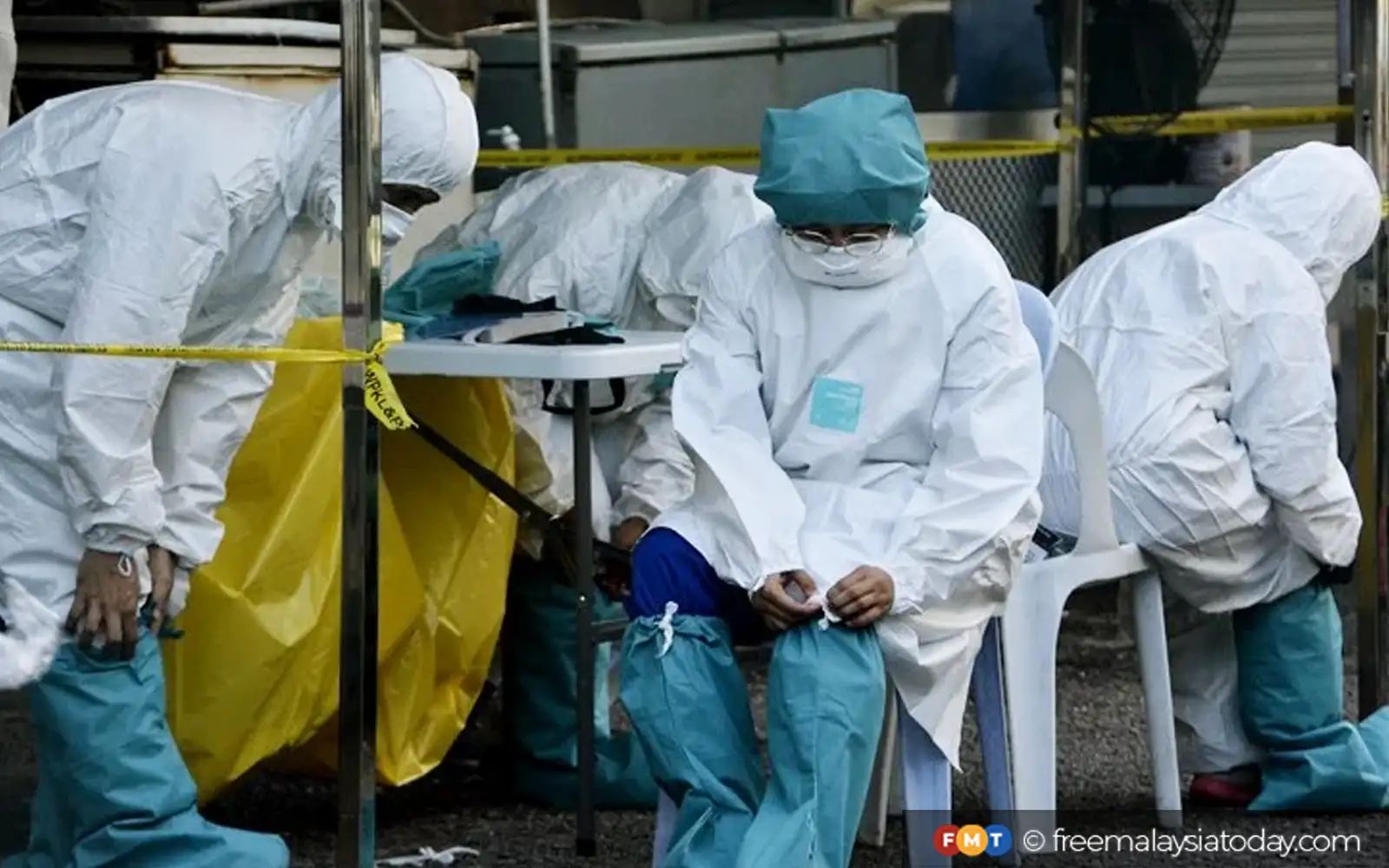
For Tawau Health Clinic chief nurse Nooraini Damping, some of the toughest moments came during the height of the pandemic. The 47-year-old worked gruelling 12-hour shifts at quarantine centres where exhaustion quickly became routine.
“There were times when only three of us were on duty,” she said. “One day, dozens of plantation workers arrived for screening. Seventy tested positive. There was no time to rest or even eat.”
Even before Covid-19, Nooraini had already faced another period of fear and uncertainty. During the 2013 Tanduo intrusion in Lahad Datu, she had been stationed at a clinic in Kunak as tensions spread across Sabah’s east coast following reports of armed militants entering the area.
Living alone in government quarters at the time, she spent evenings sitting in near darkness after 6pm, relying only on the faint glow of a television to avoid attracting attention.
Still, the clinic never stopped operating. “Patients still needed treatment,” she said simply.
For both women, nursing became far more than a profession over the years: it demanded resilience, emotional strength, and a willingness to keep going even in moments of fear, exhaustion and uncertainty.
Their experiences are among the many untold stories of healthcare workers serving in Sabah’s remote communities – often far from public attention, but deeply valued by the people who rely on them.