As of yesterday, 1,616 cases of HFMD were recorded in the state, up from about 1,500 cases last Friday.
Dzulkefly said the situation was under control following the measures that were taken by the ministry and the state director of health.
“Once the disease was detected, I contacted the deputy director-general of health, Dr Azman Abu Bakar, to discuss the measures that could be taken.
“Following that, Dr Azman issued a directive to all state directors of health and hospital directors to take immediate steps to contain the disease,” he said at an event with the ministry staff here.
Dzulkefly said the Disease Control Division of the ministry had been instructed to conduct an investigation and take more effective immediate measures to address the situation.
Meanwhile, four children who have been infected with HFMD in Penang are in stable condition, said Penang health director Dr Wan Mansor Hamzah.
He said three of the children are being treated at the Penang Hospital while the fourth at the Seberang Jaya Hospital. All are aged between two and 10 years.
“Their conditions are stable and we at the State Health Department have taken immediate measures to control the disease including conducting checks in nurseries and kindergartens.
“Members of the public do not have to be worried as the HFMD situation in Penang is still under control, but we only hope that parents will get immediate treatment for their children if they show symptoms of the disease,” he said.
Dr Wan Mansor said so far, 15 facilities, including 10 nurseries, two kindergartens and classes which involved a national school and an international school, as well as a day-care centre, have been closed for 10 days for the cleaning process after they were found to have HFMD infections on their premises.
He added that from January until today, 1,675 HFMD cases have been reported, a 56.7% increase from the 1,069 cases reported during the same period last year.
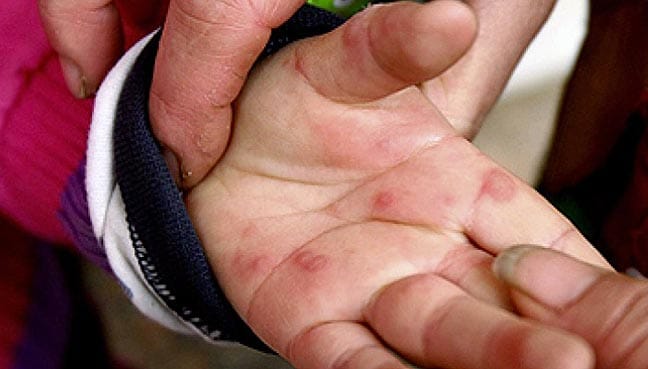
HFMD is caused by a virus and the symptoms include fever, rashes on the palms and legs, and ulcers in the mouth and on the tongue.
On another matter, Dzulkefly expressed confidence in the commitment of the ministry staff in discharging their duties, especially those serving in hospitals, and said it was unnecessary to conduct spot checks to prove that.
“I do not have to make spot checks. Even if I make a surprise visit, it is to get closer to the staff to obtain the feedback they have from the people,” he said.