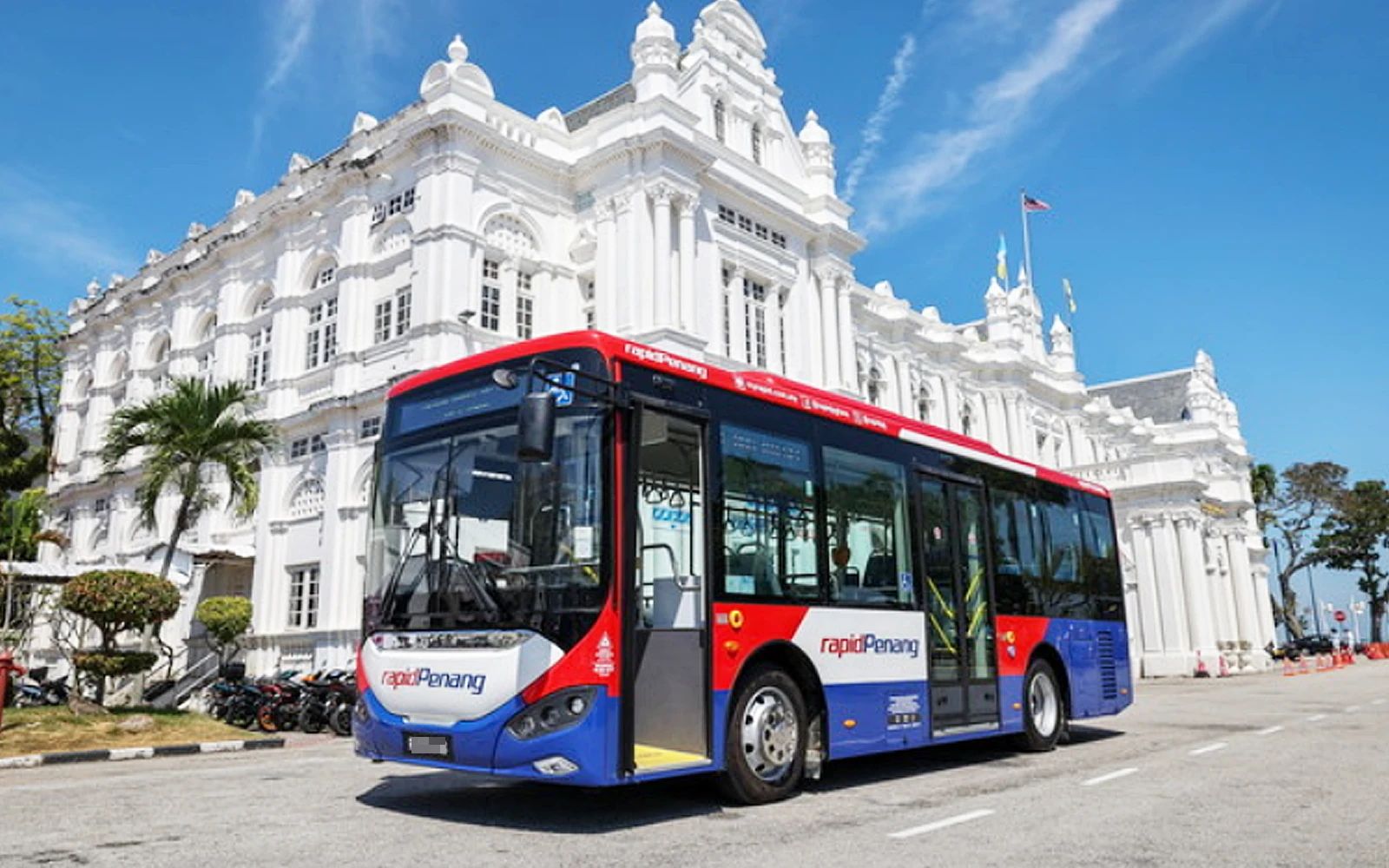
Transport minister Loke Siew Fook said that under the first phase, a total of 250 electric buses are expected to be delivered in stages from March this year until March 2027, comprising 75 buses for Rapid Penang, which are expected to begin operating in Penang from May, and 175 buses for Rapid KL.
“To ensure the smooth operation of these EV buses, the government, through Prasarana, is developing EV charging infrastructure at Rapid Penang depots, and this process has already begun,” he said at a press conference after an inspection of Rapid Penang’s diesel bus operations here today.
Chief minister Chow Kon Yeow was present.
Loke said the move was in line with Prasarana’s new direction, focussing on the use of environmentally friendly buses to reduce carbon emissions and enhance the quality of public transport services.
He expressed confidence that the introduction of electric buses would be a game changer for Penang’s public transport system and further support the state government’s aspiration to make Penang a more environmentally sustainable state.
He said Rapid Penang would also receive the remaining 60 of 70 diesel buses measuring 8.9m in length in stages by the end of February, completing part of the final batch of 175 diesel buses from a total of 310 units acquired by Rapid Bus since July 2025 for operations in the Klang Valley and Penang.
On procurement costs, Loke said EV buses were on average almost twice as expensive as diesel buses, with an estimated price of more than RM1 million per unit.
He said the Rapid Penang On-Demand service, which uses vans, had received encouraging response, with 50 vans currently operating in the state.
Following a request from the state government, Prasarana plans to add 170 more vans to expand the service, with the procurement process expected to begin in the second half of the year.
“This addition will provide more options for users, increase capacity and expand the coverage of public transport services in Penang,” he said.