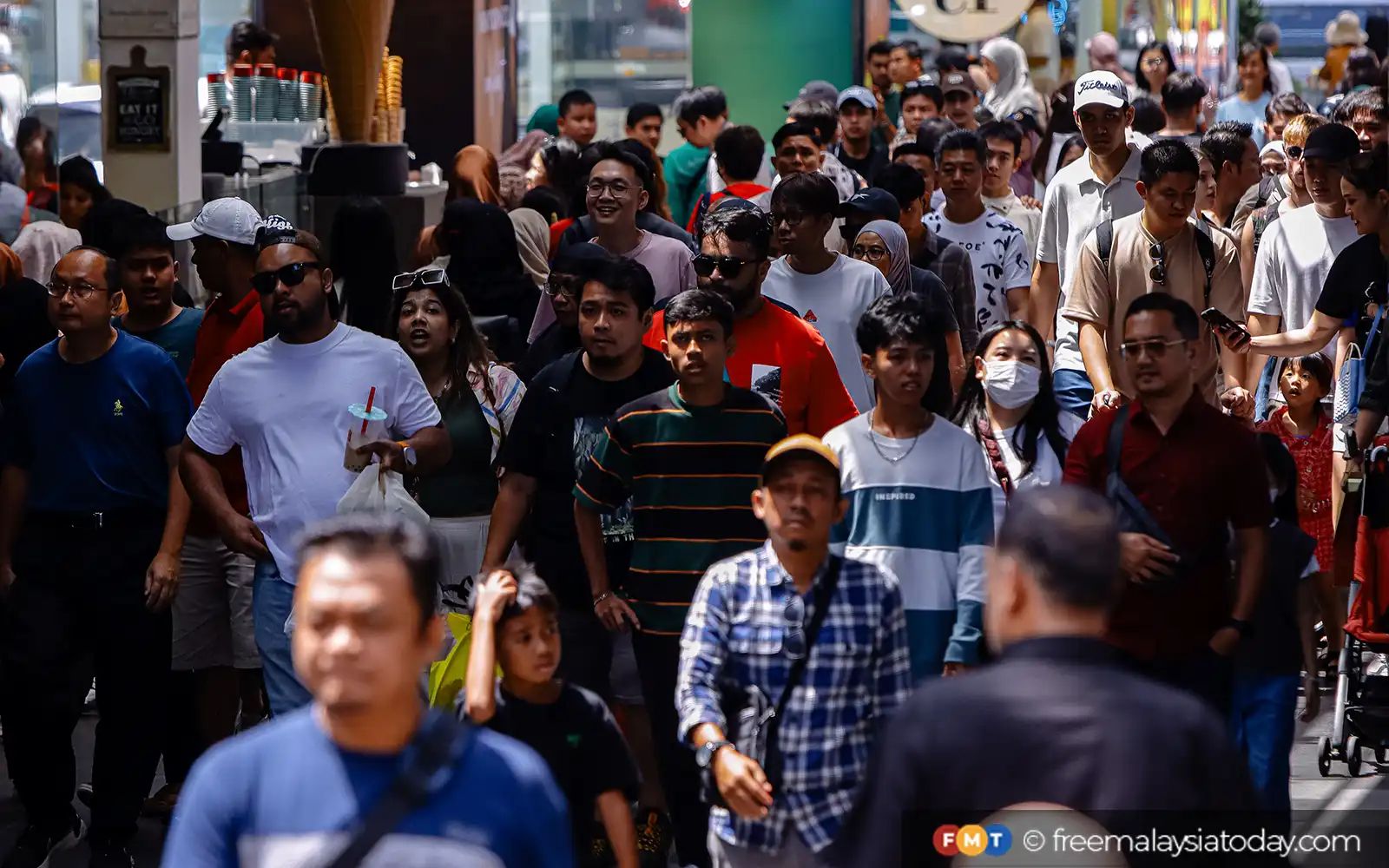
A shrinking pool of contributors must increasingly support a rising number of beneficiaries facing illness, injury, or job loss.
This highlights why mandatory social insurance is not just a safety net for individuals – it is a shared responsibility that safeguards the financial stability of the entire workforce and economy.
A pooled contribution system
In Malaysia, the Social Security Organisation (Perkeso) operates on a pooled contribution system through its Employment Injury Scheme and Invalidity Scheme, while its Employment Insurance System (EIS) also provides coverage.
Contributions from employers and employees are paid into common funds, with benefits disbursed based on eligibility rather than individual contribution balances.
For workers in formal employment, participation is mandatory and employers are legally required to register eligible employees and make monthly contributions, with employees contributing a smaller share.
This compulsory structure ensures broad risk-sharing and a stable flow of contributions to sustain these schemes over time.
Economist Geoffrey Williams emphasised the importance of mandatory participation, noting that risks vary by occupation.
“If insurance was offered to construction workers and builders separately, reflecting the risk of injury and treatment costs, it would be too expensive and they would not buy it,” he said.
“Meanwhile, office workers do not perceive risk, so they also would not buy insurance.
“To solve this, everyone pays into a mandatory insurance system, which is essentially a tax for all formal workers that pools risk and builds a fund everyone can draw on when needed.”
‘Why should I pay for others?’
Some employees may still question why they should contribute to a system they may not directly benefit from.
Williams said that while contributors are paying for others, others are also paying for them, creating a system that provides security against unpredictable events and keeps premiums sustainable for everyone.
Economist Chung Tin Fah from HELP University said that funding essential protection individually would be too costly and impractical, which is why pooling contributions is necessary.
“No man is an island,” he said. “We live in a community where protection such as health, security, education, and infrastructure must be shared.”
An eroding safety net
In August last year, finance minister II Amir Hamzah Azizan noted that by 2048, citizens aged 65 and above are projected to make up 14% of the population.
With declining birth rates and changing economic needs, fewer young workers will join the workforce to support an ageing population, adding further strain to social insurance systems.
Meanwhile, about 3.45 million gig, self-employed, and informal workers remain outside mandatory social insurance schemes.
Under the Gig Workers Act 2025, gig workers engaged through platforms must register with Perkeso’s Self-Employment Social Security Scheme (SESS), but contributions remain voluntary for the workers themselves, with platforms deducting and remitting only if agreed.
Strengthening the system
Chung proposed expanding mandatory coverage to include gig and informal workers, aiming to further strengthen the pooled system.
Adjusting contribution rates and investing funds wisely can also help future-proof the system, he said, while a larger, more reliable pool would reduce reliance on emergency government spending and taxes.
However, he cautioned that strengthening social insurance pooling is a complex task, as the system must balance its objectives with the diverse risks and characteristics of the workforce.
“Gathering accurate data is challenging and requires careful monitoring, especially as demographics change and employment shifts towards gig and foreign workers,” he said.
By sharing risk collectively, Malaysia can protect individuals, families, and the wider economy.