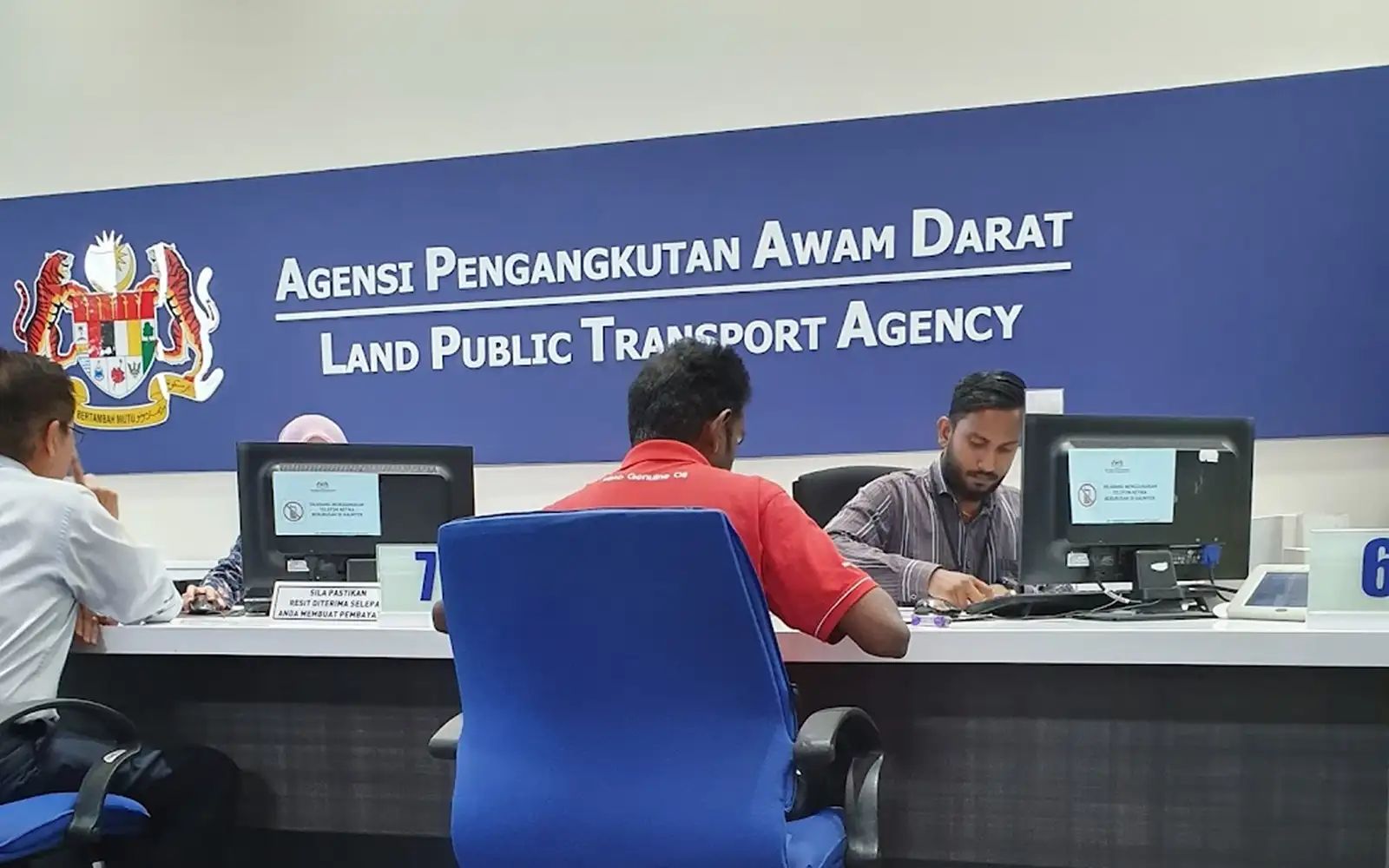
Apad issued a statement today setting out the timeline of its dispute with the operator, which it said had “remained unwilling” to move to an approved terminal or transport hub despite having ample time to comply.
It said the dispute traced back to last year, when the agency directed the operator to stop using unlicensed locations and relocate to a licensed bus terminal.
A temporary enforcement moratorium was granted after Corus Hotel KLCC, which served as the operator’s departure point, ceased its arrangement with the company in January, following the site’s acquisition for redevelopment.
“However, after nearly five months, the operator remained unwilling to move to any licensed terminal or transport hub,” Apad said.
“The transition period provided sufficient time for the operator to identify and relocate to a licensed terminal or transport hub.
“As the operator had still not taken any steps to comply, Apad issued an enforcement directive in May 2026 to ensure full compliance with the law.”
While Apad did not name the operator, its statement follows Aeroline’s announcement that Kuala Lumpur would no longer serve as a boarding or drop-off point for its services.
Aeroline said it had temporarily relocated to Tun Razak Exchange (TRX), but a May 13 directive restricted it to three approved locations: 1 Utama, Lalaport, and IOI City Mall Putrajaya.
The company said Lalaport, the only option near the city centre, imposed commercial charges that would force it to raise fares.
However, Apad said it never issued a licence or approval for any location in TRX as a bus terminal or transport hub, and that the TRX management had never applied for such status.
“The length of time that an operation has been conducted at a location does not make it a recognised or approved terminal,” it said.
Apad added that the enforcement policy, which took effect on May 19, applied to all express bus operators and was not aimed at any specific company.
It said the move was intended to improve passenger safety, reduce traffic congestion in the city centre, and ensure compliance with transport regulations.
The agency reiterated that approved alternatives were available, including Lalaport, IOI City Mall Putrajaya, and 1 Utama, as well as Terminal Bersepadu Selatan and Terminal Bersepadu Gombak.
“Operators who choose not to use licensed locations do so based on their own commercial considerations, not because lawful alternatives are unavailable,” it said.
“Apad remains open to discussions with any express bus operator requiring guidance on continuing operations in accordance with legal provisions and regulatory standards.”