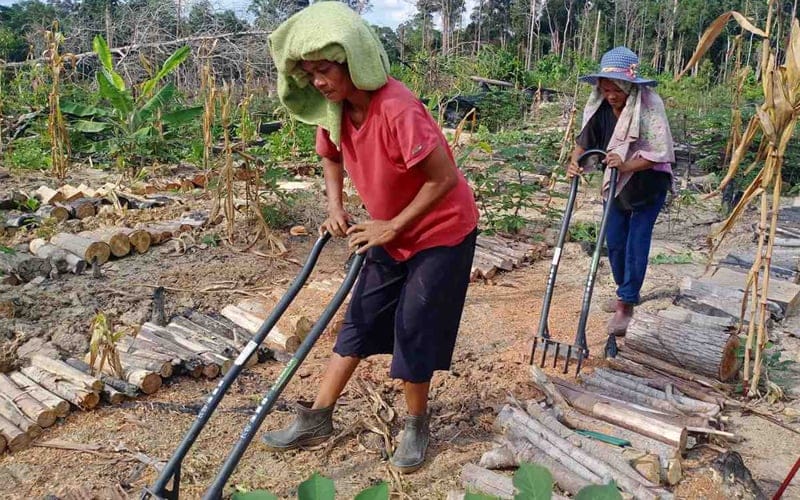
If cities have been adversely affected, one can only imagine the situation for those in the rural countryside. The crippling of the economy has led to severe consequences for communities there.
The Orang Asli, for example, are now grappling with food insecurity and malnutrition because of the lockdown. While the community has a tradition of farming, they generally lack resources and face a variety of environmental challenges.
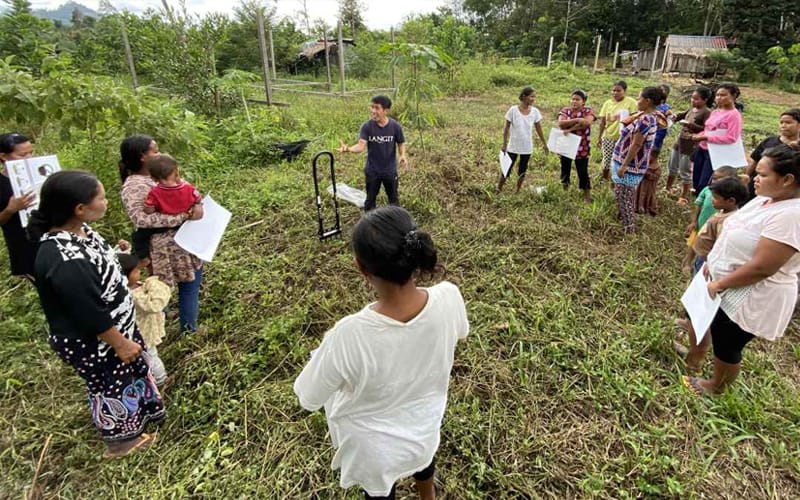
Fortunately, the Orang Asli has been receiving help from Global Peace Foundation (GPF) Malaysia, a non-governmental organisation.
For the past eight years, GPF has been working to uplift underprivileged communities in the country. Its latest effort is the OA-Eco Farm project, which addresses farming challenges faced by indigenous Malaysians.
Communications officer Lauren Chew tells FMT that through the project, Orang Asli farmers will be provided with training and equipment to give them practical knowledge on sustainable farming.
The project subsidises the cost of equipment and seedlings to help the farmers get started.
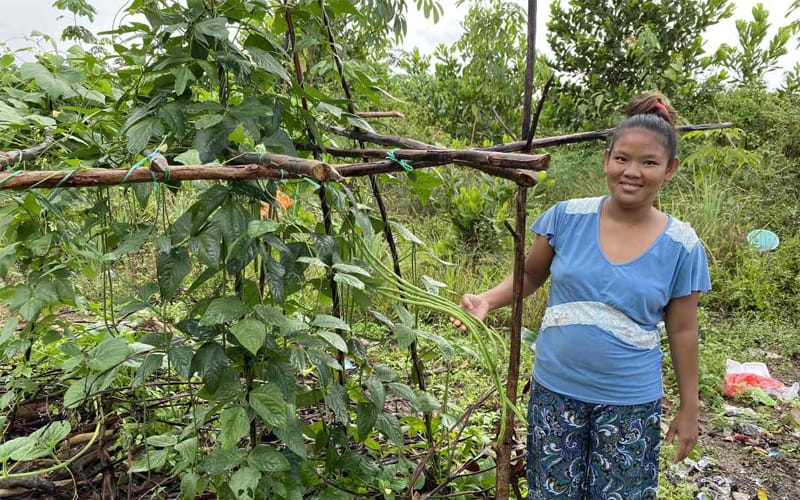
The crops are intended for self-subsistence, with chilli, brinjal, pumpkin, tomato, long beans, French beans, spinach, ladies fingers and bitter gourd commonly grown.
Chew says the response to the project has been positive, as 38 families are now the proud owners of thriving farm plots. These farmers employ an organic approach without chemical fertilisers, prioritising the regeneration of healthy soil.
The Orang Asli are also looking to expand and grow vegetables that are more familiar to the community, such as terung asam and labu askar.
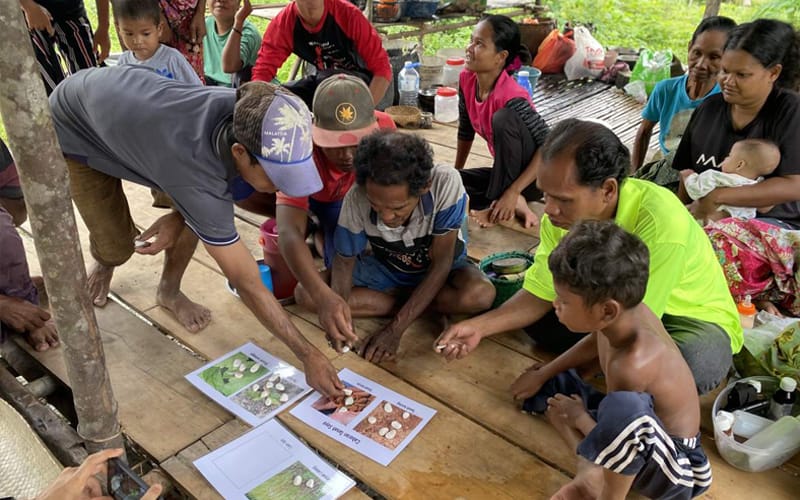
Despite its success, the OA-Eco Farm project is not without challenges as the farms, which are located in Pahang, are at the mercy of the skies.
The drought season has wreaked havoc on some crops, while GPF’s ability to help the farmers has been limited due to travel restrictions.
“Recovering the soil’s fertility also takes time, so it was a challenge for the farmers as they could not see immediate results,” Chew explains.
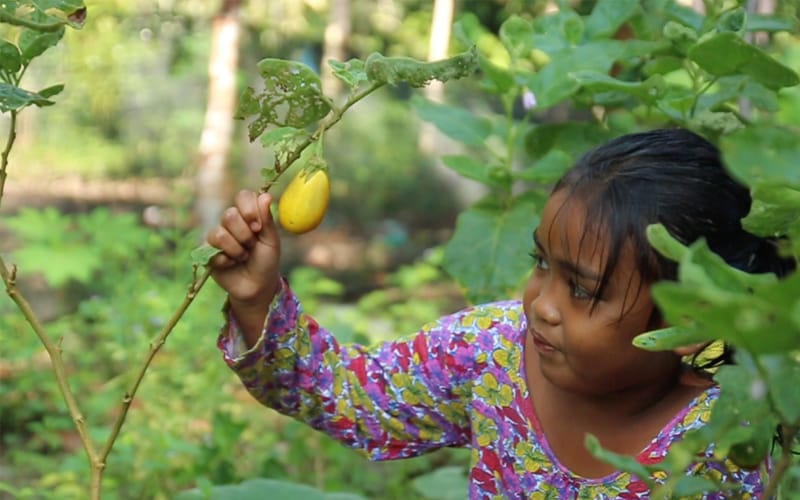
She is nevertheless confident the fruits of the community’s labour will eventually speak for themselves, and adds that GPF is also working on an Agroforesty food-farming project that will help farmers grow crops for income.
“Our hope is to inspire and empower more Orang Asli farmers to successfully farm their own food for self-sufficiency. This will help them through future challenges,” she says.
GPF is accepting donations to its ‘Seeds of Hope’ campaign, which provides Orang Asli farmers with fruit and vegetable seeds and seedlings to kickstart their farm plots. To learn more about what you can donate or how else you can help, click here.