
For parents, however, this period also brings concerns as kids spend more time outside, travel more frequently, and face increased exposure to illness and environmental risks.
This year, those concerns are heightened by recent floods across several states, and rising cases of influenza and infectious diseases.
To help parents navigate the season, here is a helpful guide to keeping children safe, healthy and protected throughout the holidays.
Understanding seasonal infections
When school closes, children naturally spend more time in public places like malls, indoor playgrounds, holiday resorts and cinemas. These spaces allow for fun and exploration, but they also increase exposure to germs.
Malaysia has seen a notable rise in influenza, upper respiratory infections, stomach bugs, and viral fevers this year. These illnesses spread easily among children, especially when they play in close contact or share food, toys or drinks.
Prevention begins with daily habits. Parents should:
- teach children to wash their hands with soap for at least 20 seconds, especially after using the toilet, before meals, and after outdoor play;
- encourage children not to share water bottles, cutlery, snacks, towels or pillows;
- keep sick children at home until their fever subsides to prevent spreading illness;
- seek medical evaluation if symptoms persist or if there is difficulty breathing;
- consider the annual flu vaccine, especially for toddlers, school-aged children, and those with asthma.
Although restrictions have eased, Covid-19 continues to circulate in the community. Simple habits like handwashing, using sanitiser, wearing a mask in crowded indoor spaces, and staying home when unwell remain effective.
The impact of flood season
With monsoon floods affecting various states, families must be extra careful about environmental hazards. Floodwater often contains sewage, animal waste, bacteria, chemicals, sharp debris and other hidden dangers.
Health risks from floodwater include:
- leptospirosis;
- skin rashes and fungal infections;
- diarrhoeal diseases;
- injuries from submerged debris;
- eye and ear infections.
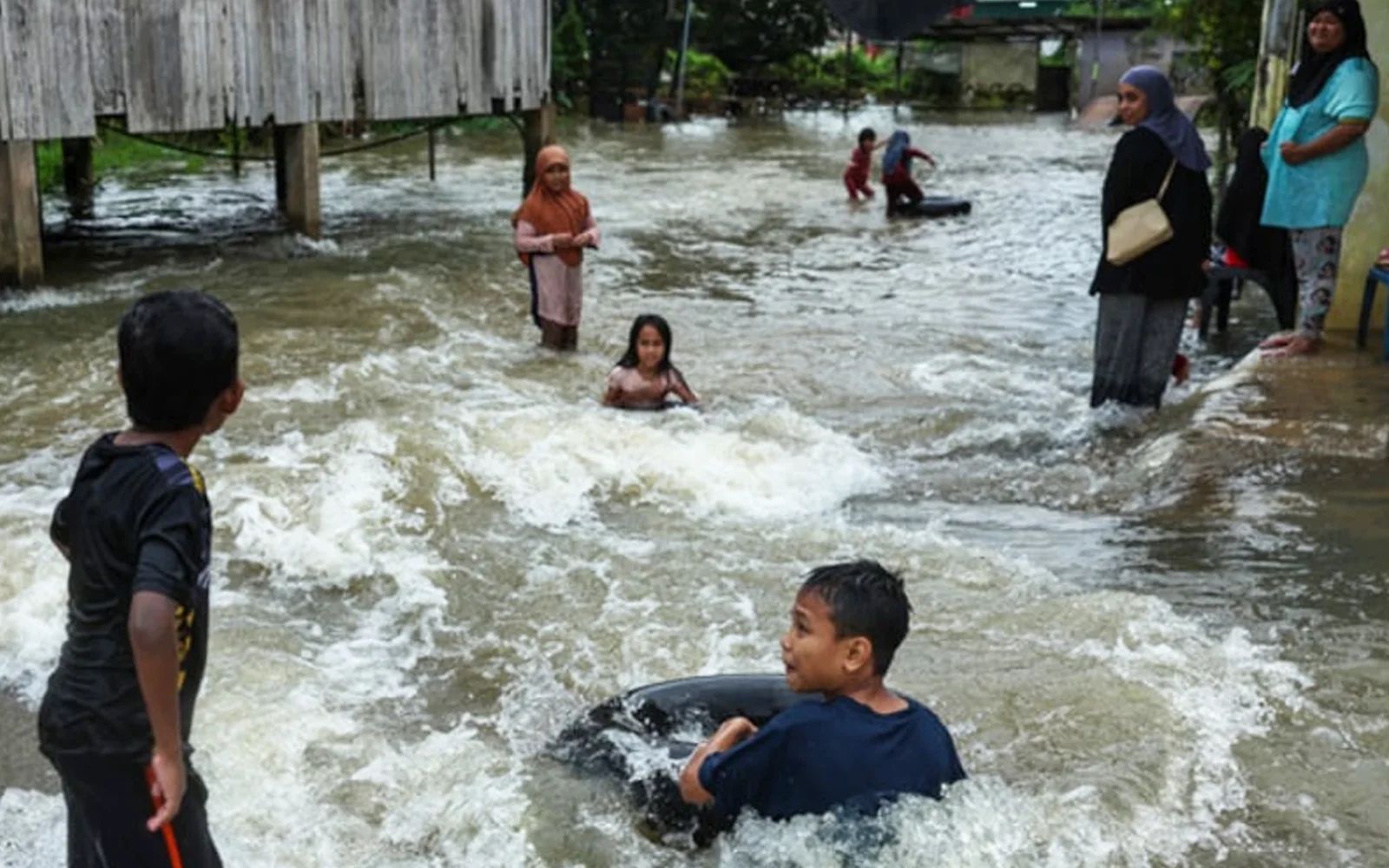
Children may see floodwater as something fun to splash in, but exposure can lead to serious illness. If accidental contact occurs, wash the child immediately with clean water and monitor for fever or muscle aches.
After floods, stagnant water often collects in drains, puddles, pails and plant pots. These become ideal breeding sites for mosquitoes, increasing the risk of dengue, chikungunya and Zika.
Parents are advised to:
• apply child-friendly mosquito repellent regularly;
• dress children in long-sleeved clothing for outdoor play;
• use mosquito nets, especially for toddlers;
• remove stagnant water from containers and flower pots at home;
• keep windows closed in the evening or ensure screens are intact.
Simple environmental care can significantly reduce mosquito-borne illnesses.
Food and water safety
Holidays often mean picnics, food courts, festive gatherings, and dining out more frequently. While enjoyable, these situations can increase the risk of food poisoning, particularly in flood-affected areas where food storage may be compromised.
Parents should:
- choose eateries that look clean and have good crowd turnover;
- avoid raw or contaminated foods, including seafood that may be unsafe during monsoon season;
- use and consume only boiled or bottled water;
- reheat leftovers thoroughly and avoid repeated reheating;
- store perishable foods properly, especially during long trips.
Proper food handling is one of the best ways to protect children from stomach-related illnesses during the holidays.
Check back in tomorrow for more tips for parents and children on the go.
This article was written by Dr Johan Aref Jamaluddin, paediatrician at Ampang Puteri Specialist Hospital.