
According to a BBC news report, a major US study tracking more than 110,000 adults over several decades found that people who regularly engaged in a range of physical activities were significantly less likely to die early compared with those who focused on only one type of exercise.
This was true even when total exercise time was similar, suggesting variety itself plays a role in longevity.
But why might this be the case? Experts say the human body thrives on variety: each form of exercise challenges different systems, and together they create a more resilient, better functioning whole.
Aerobic activities such as brisk walking, cycling, swimming or jogging strengthen the heart and lungs, helping to lower blood pressure and reduce the risk of heart disease.
Strength training, whether using weights, resistance bands or bodyweight exercises, builds muscle mass and bone density, both of which naturally decline with age.
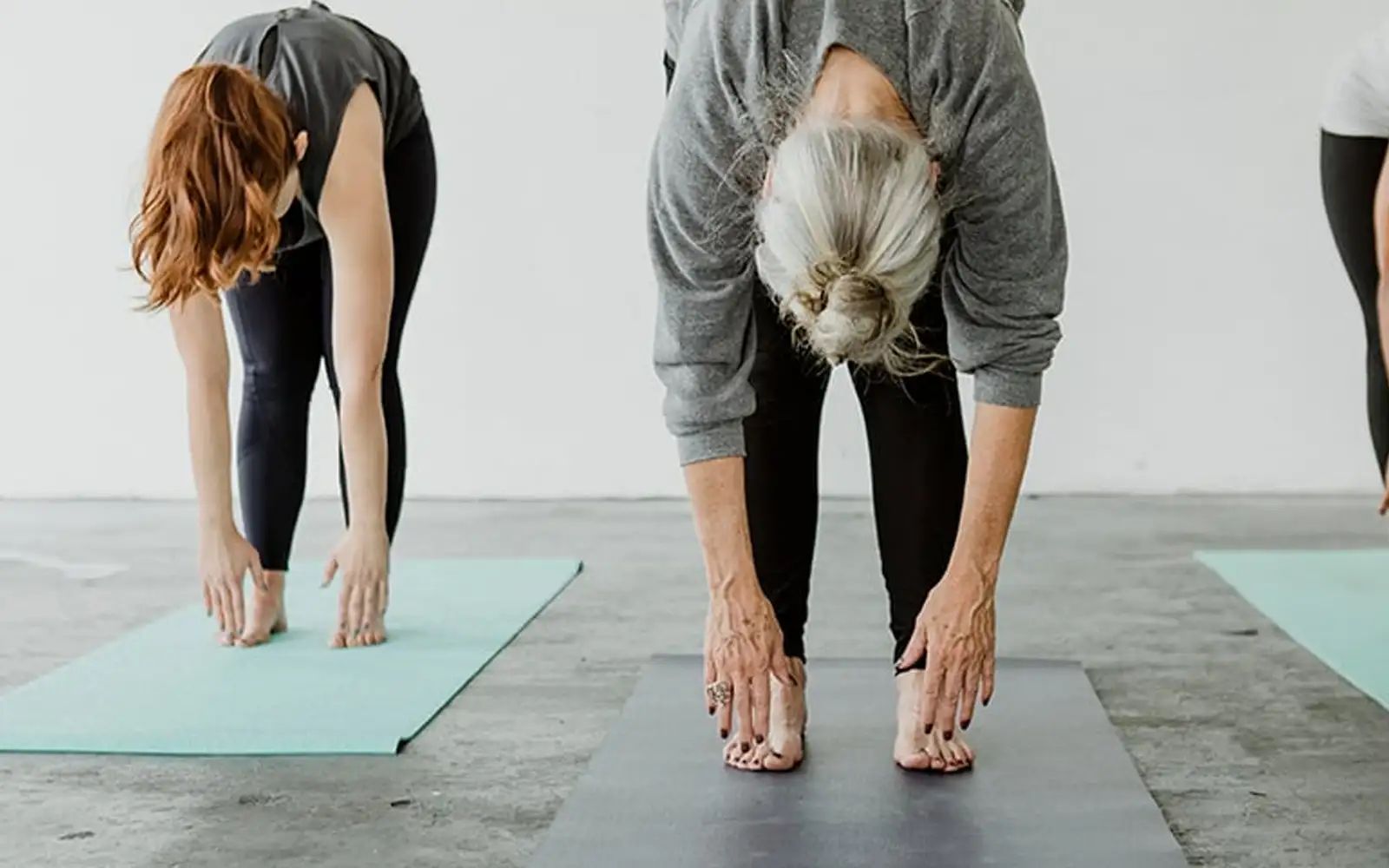
Then there are balance and flexibility exercises, including yoga, pilates and tai chi. These improve joint mobility, posture and coordination, reducing the risk of falls and injuries later in life. While often overlooked, they play a major role in maintaining independence as you age.
According to exercise physiologists, combining all three types of movement creates a “whole-body effect” that no single workout can fully deliver on its own.
Current physical activity guidelines recommend adults aim for at least 150 minutes of moderate exercise or 75 minutes of vigorous activity each week. But newer research suggests how you move may matter just as much as how much.
In the US study cited, researchers found that the mortality benefit plateaued after a certain level of activity. In other words, endlessly adding more cardio sessions did not continue to reduce risk. What stood out instead was participation in multiple types of exercise across the week.
Other recent research has echoed this idea. A UK-based analysis published in 2024 linked combined aerobic and strength training with lower risks of cardiovascular disease, cancer and all-cause mortality compared with doing either alone.
There is also a very human reason why mixed exercise routines may support longer lives: people are more likely to stick with them.
Fitness experts point out that boredom is one of the biggest reasons people abandon exercise altogether.
Rotating between activities keeps things fresh, mentally stimulating and more enjoyable; enjoyment, in turn, supports consistency, which is one of the strongest predictors of long-term health benefits.
There is also evidence that varied physical activity may benefit brain health. Learning new movement patterns challenges coordination, memory and focus. Some studies suggest this sort of engagement may help protect against age-related cognitive decline.
So, what does this look like in reality? You do not need a complicated training plan or a gym membership to benefit from variety. Small changes can make a big difference.
A typical week might include brisk walking or cycling on some days, a couple of short strength sessions at home, and one flexibility-focused activity like yoga or stretching. Playing a sport, gardening vigorously or joining a dance class all count, too.
And exercise does not have to be intense to be effective; short bursts of movement spread throughout the day can add up, especially when combined with different activity types.
Age is no barrier
Importantly, the benefits of mixed exercise apply at any age. For younger adults, variety supports fitness, performance and injury prevention.
For those in midlife, it helps counter muscle loss, weight gain and metabolic changes.
In older adults, balance and strength become especially crucial for maintaining independence and reducing fall risk.
Health professionals emphasise that it is never too late to start – the key is to choose activities that feel manageable and enjoyable, then build gradually.
And remember, longevity is not about chasing extreme fitness goals; it is about building a routine that supports strength, mobility, heart health and mental wellbeing across decades.
By mixing up how you move, you are not just adding years to your life, you’re improving how those years feel. And that, most would agree, is the real win.