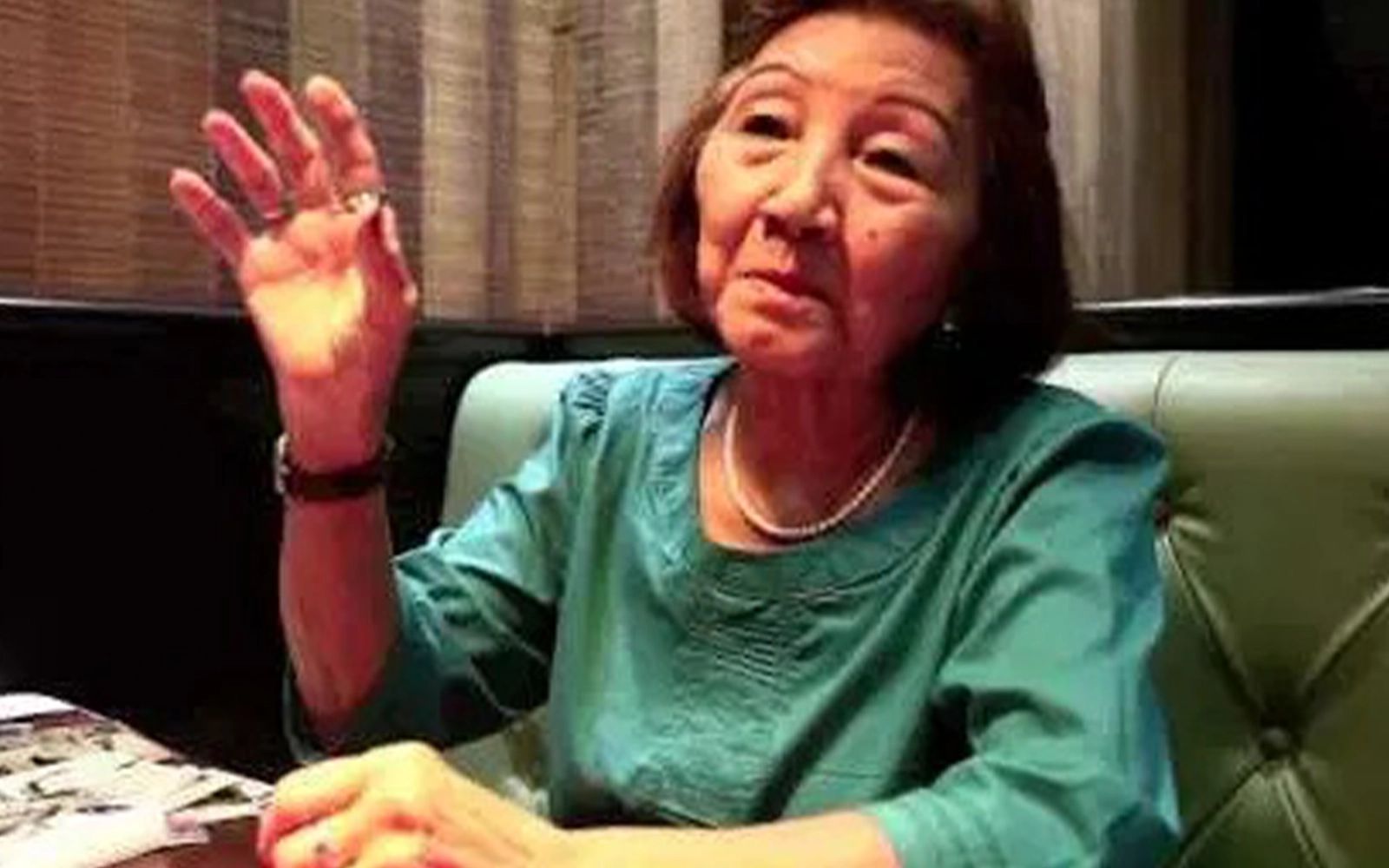
It gave way just enough for her to step through, composed, deliberate and already in control.
By the time the room realised what was happening, the operation was over.
That was how police officer Wong Kooi Fong worked. No theatrics. No wasted motion. Just precision.
Malaysia, however, came to know her by another name: Blossom Wong.
She died Friday at the age of 88 after suffering a stroke. But to end her story there would miss the point.
Wong was never just part of the force. She was a force.
She did not begin that way.
Born in Sungai Besi to a poultry farm owner, Wong resisted the narrow futures set out for women of her time.
She chose movement over routine, the outdoors over the classroom, action over instruction.
The name “Blossom” came early, a neighbour’s tribute to her gift with plants. Things grew around her. The name stayed, and in time, so did its meaning.
She would grow into it.
In 1957, just weeks before independence, she joined the police force. Training was unforgiving. The drills were long, the discipline rigid and the language unfamiliar.
She learned Bahasa Melayu from scratch because she had to.
There was nothing ornamental about those early years. What followed would define her.
Between protocol and pressure
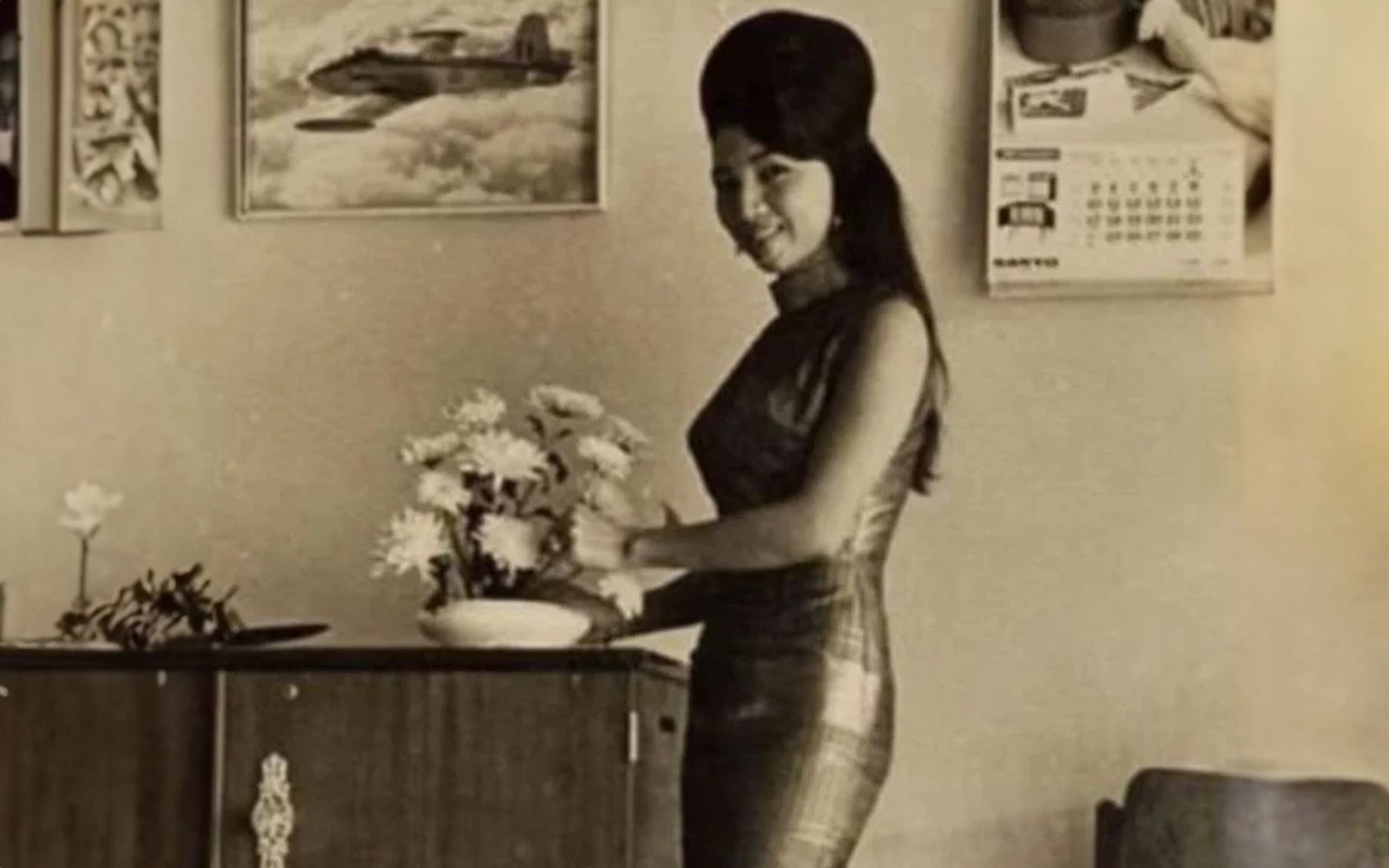
Before the undercover work that shaped her legend, there was another side to Wong, one built on trust, poise and quiet authority.
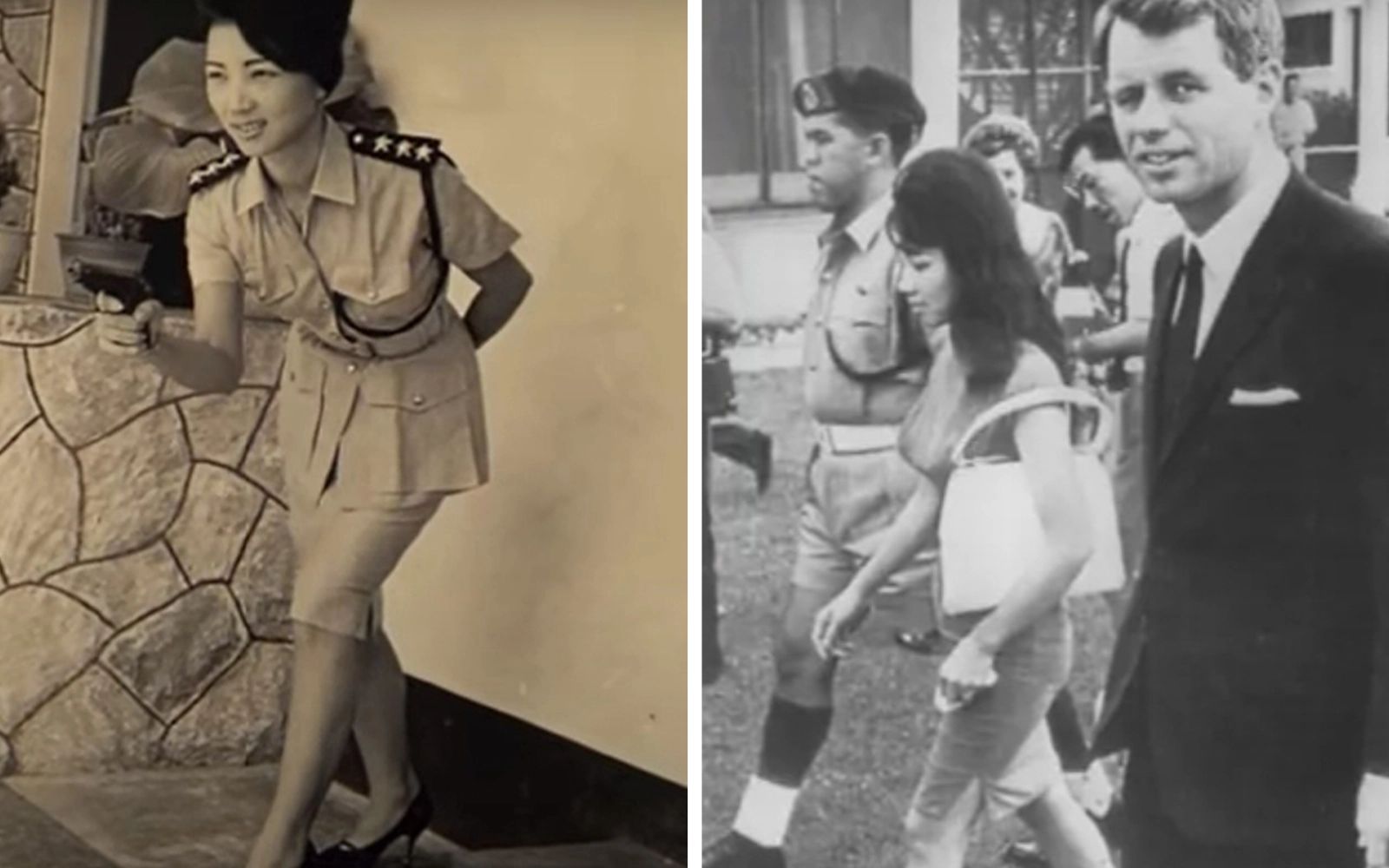
She was often assigned to escort visiting dignitaries, a role that demanded both discipline and diplomacy.
Among those she accompanied were the wives of South Korean President Park Chung-hee and Japanese prime minister Eisaku Sato, as well as United States attorney-general Robert F Kennedy and his wife Ethel during their 1964 visit.
The job placed her under constant scrutiny. She handled it with ease.
Then she returned to the shadows.
Where instinct met danger
In 1966, Kuala Lumpur police chief Albert Mah recognised what others had yet to see. Wong belonged in the criminal investigation department.
She joined the anti-vice unit known as the Black Cats. There, she became something else entirely.
Wong moved through Kuala Lumpur’s vice districts in disguise, often in a cheongsam that allowed her to blend in without drawing attention. It was not costume. It was strategy.
From Jalan Ampang to Jalan Alor, from dim staircases to hidden rooms above coffee shops, she led operations that dismantled prostitution rings and exposed networks operating in plain sight.
Some of the girls she helped rescue were underage. Some were already beyond easy return.
The work demanded nerve, patience and a willingness to step into danger without warning. She did all three.
Her results drew attention.
Inspector-General of Police Hanif Omar later tasked her with forming the force’s first rape investigation unit.
It was a bold step for its time.
Wong and her team trained with the Royal Canadian Mounted Police, becoming among the first in the country to use DNA evidence in criminal investigations.
It marked a quiet shift in how cases were built and proven.
She later headed the sexual violence, child abuse and domestic violence division at Bukit Aman, bringing structure and sensitivity to cases that had long lacked both.
Poise and pride
To the press, she was something else again. Her briefings were never routine.
Reporters turned up not just for updates, but because Wong understood the room. She answered with clarity and composure, never evasive, never indulgent.
She gave enough detail to inform, and enough restraint to command respect.
You rarely left empty-handed. There was always a line worth carrying, always a quote that held.
In a profession where access was guarded and information tightly controlled, she struck a balance that made her both authoritative and approachable.
It was rare, and it made her press conferences among the most anticipated on the beat.
Looking back on her years in service, she said the work was demanding, complex and often exhausting, but also filled with moments of pride that made it worthwhile.
It was a simple reflection. It said everything.
Wong retired in 1993 as a superintendent after more than three decades in uniform.
By then, the landscape had begun to shift. Not loudly, not dramatically, but because of people like her.
Her legacy does not rest on a single operation or title.
It lives in the systems she helped build, the standards she raised and the space she carved out for women in a profession that once offered very little.
Long before empowerment became a phrase, she had already defined it in practice: measured, relentless and unmistakable.
Wong never needed the door to burst open.
She only needed it to give way.
Wong’s wake will be held on May 3 and 4 at Nirvana 2 in Kuala Lumpur, followed by a funeral on May 5.