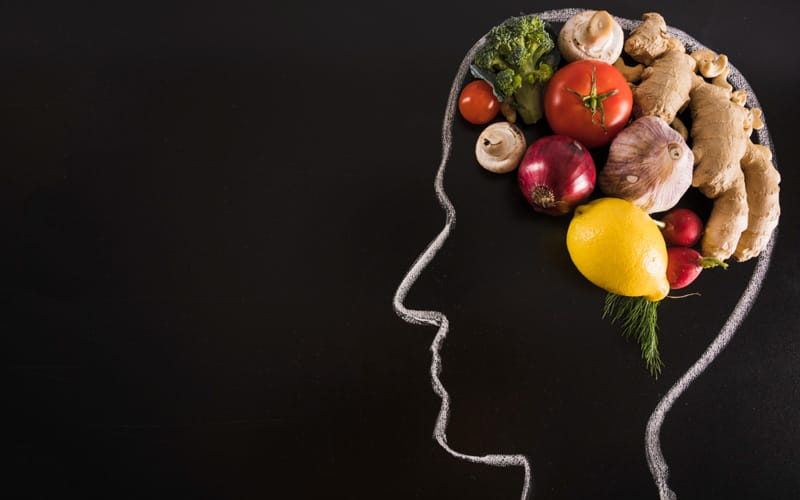
“You are what you eat” might be an overused phrase, but science indicates there’s validity behind the claim.
In a systematic review of 12 studies, researchers observed “consistent trends” between high-quality diets and positive psychological outcomes, as well as evidence proving the opposite.
Children with poor dietary habits had higher rates of depression and anxiety, as well as behavioural conditions like attention-deficit disorder and hyperactivity. Similar studies unveiled a link between western diets and depression and anxiety in adult women.
Meanwhile, a Mediterranean diet high in lean protein, whole grains, and healthy fats was found to decrease the risk of depression, as well as other neurological conditions such as stroke and Parkinson’s disease.
Food as fuel
The food you eat becomes fuel for the brain, so it’s important to avoid sources that can cause damage.
Fuel that comes from a diet high in processed, sugary, and fried foods can lead to cognitive decline in a number of ways, primarily through increased inflammation and disruptions in cellular pathways.
These types of neural impairments could lead to imbalances, including those responsible for mood disorders.

Conversely, diets high in premium fuel nourish and protect the essential features of the brain, supporting better cognitive function and reducing the risk factors that could lead to depression, anxiety, and other mental illnesses.
Diet alone might not be the sole cause of a mental health disorder, but maintaining a healthy diet is a critical for mood regulation. Likewise, an unhealthy diet could contribute to poor mental health.
Foods and moods
A well-balanced, mental health-driven diet is one that focuses on variety and nutrition, with a limited intake of sugar, salt, and saturated fats. It helps to look at the major food groups and the role each plays in providing the right type of brain fuel.
- Vegetables and legumes
It is recommended that you eat the “rainbow” whenever possible, meaning colourful veggies and lots of dark, leafy greens.
Vegetables and legumes – think black beans and soybean products – are rich in fibre, folate, potassium and vitamin A, and high daily intakes are related to reduced levels of psychological distress and depressive symptoms.
- Fruits
Fruits are high in antioxidants and vitamins A, C and E, all of which have an important job in regulating neural functions and combatting stress-induced psychiatric disorders like depression and anxiety.
- Grains
Healthy grains such as rice, oats, and barley provide the body with iron and vitamin B, and help control blood sugar levels and gut function, both of which can support equilibrium in the body and brain.
- Proteins
This is a major food group that encompasses meats, seafood, poultry, eggs, and plant-based items like nuts and seeds. Quality counts here, since not all protein sources are created equally.
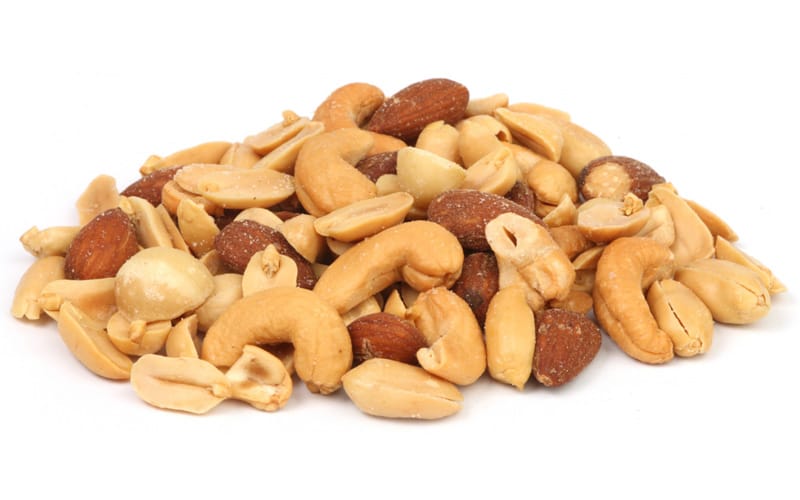
Proteins that have the most positive effect on mental health include fish, chicken, whole-fat yoghurt, and nuts and seeds, which help produce natural chemicals in the brain that improve mood.
- Dairy
Whole-fat dairy products like milk and cheese have been linked to lower stress levels and are a natural source of feel-good vitamin D.
Eating healthily means finding a balance between the five major food groups, getting in more of the good stuff and less of the sweets, fried foods, and empty-calorie beverages like soda and artificial fruit juice.
Not only is this important for maintaining physical health, it’s also instrumental in achieving optimal mental-emotional wellbeing.
Dennis Relojo-Howell is the founder of Psychreg. Connect with him on Twitter @dennisr_howell.