Anadolu Ajansi reported that the case was brought by Dutch media organisations NOS, RTL Nieuws, and De Volkskrant, which sought access to notes from ministerial meetings and internal government reports linked to the incident.
Judges in Strasbourg ruled in favour of the Dutch government, concluding that officials had given “due consideration to the principles and criteria” when deciding not to release the material.
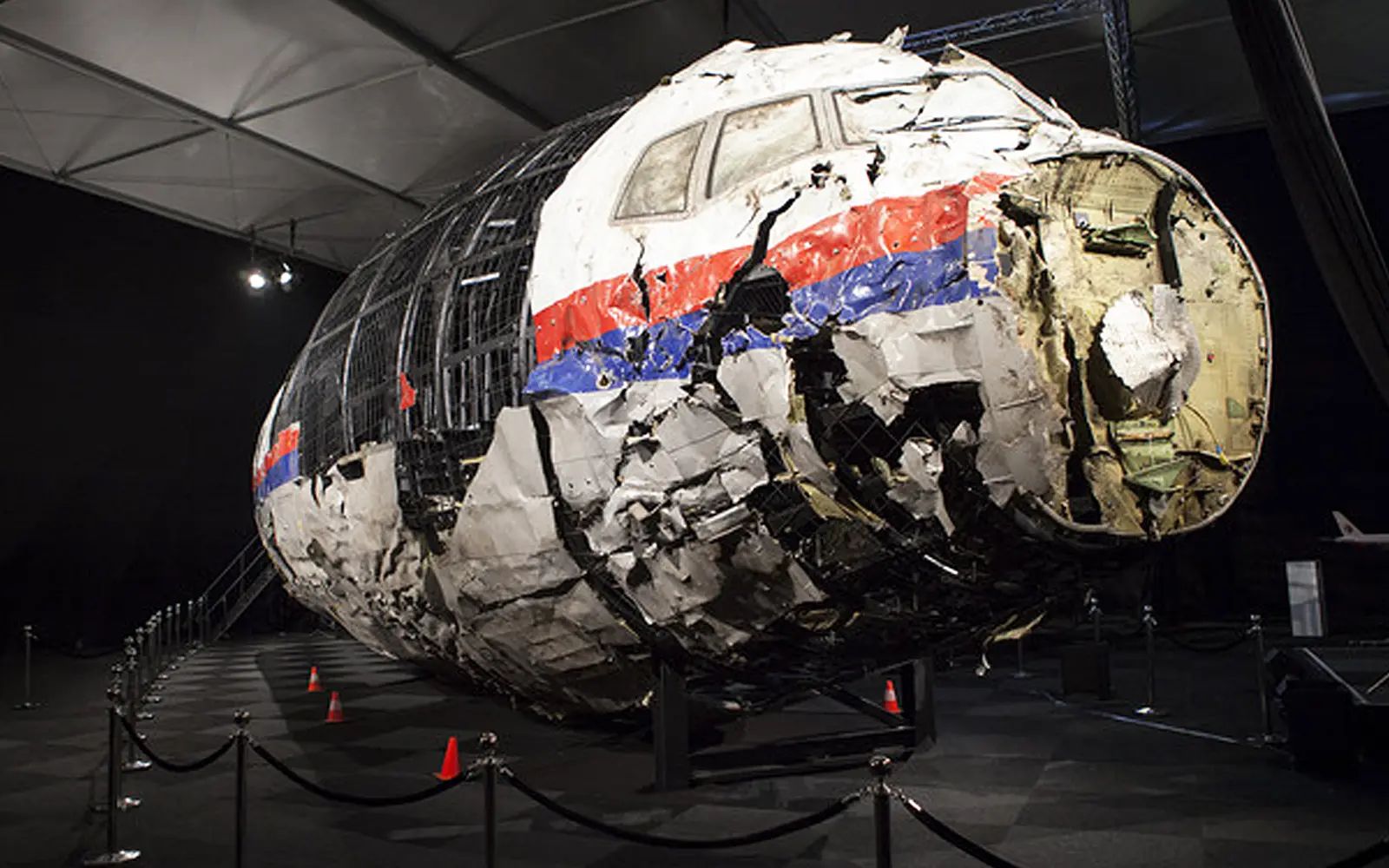
Malaysia Airlines flight MH17 was flying from Amsterdam to Kuala Lumpur on July 17, 2014 when it was downed over eastern Ukraine, killing all 298 people on board, including 80 children and 15 crew members.
A 15-month investigation by the Dutch Safety Board concluded in October 2015 that the aircraft was brought down by a Russian-made Buk missile over the region.
In the months following the crash, the media outlets requested documents under national transparency laws. The government refused to disclose large parts of the files, citing security risks. The information that was released contained significant redactions.
The dispute went through the Dutch legal system, where the media groups ultimately lost in 2017 at the country’s highest administrative court, which found that protecting sensitive information outweighed the public interest in disclosure.
The organisations then turned to the European Court of Human Rights, arguing that the refusal limited their rights to report and access information.
However, the seven judges rejected the complaint, saying the applicants would need to demonstrate “very special circumstances” to justify forced disclosure.