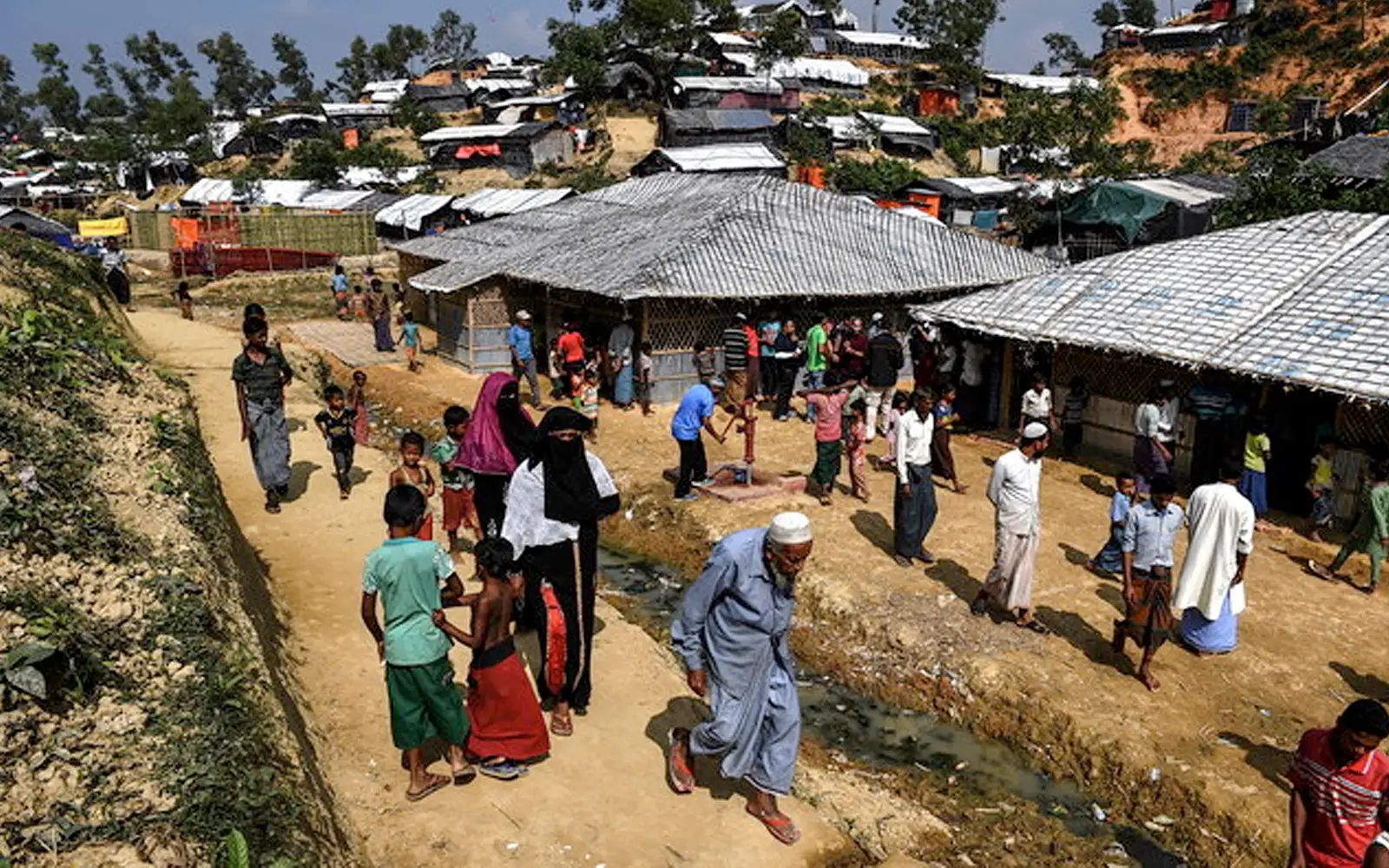
“They were not aware that they were breaking the law when they organised events,” Rohingya Youth Support Network founder Husson Ahmad told FMT when commenting on a decision to bar the community from holding events in open areas in the Kesidang state constituency in Melaka.
Husson, who was trying to clear the air over the perception that there were lawbreakers in the community, pointed out that the Rohingya have had few opportunities to learn and understand the rules or the dos and don’ts.
“For instance, they are not aware that permits are required to hold an event. Neither do they know how to apply for such permits,” he said.

As such, he said, they were not aware that they had broken the law by organising events. “Unfortunately, it looks like they are deliberately breaking the rules,” he added.
Last week, Kesidang assemblyman Allex Seah announced that foreign nationals, particularly Rohingya, had been barred from organising events or celebrations in open areas.
He said this was to prevent disturbance for the local residents and to prevent disputes.
Seah said the decision was made at a meeting between officials of the Kesidang village development and security committee (JPKK) and representatives of several government authorities and agencies.
However, he said, the Rohingya are still permitted to hold events at “suitable” premises such as restaurants or community halls.
On the other hand, Husson pointed out that allowing such exceptions is insufficient as it still looks like the community is being targeted.
“The community will feel excluded instead of being accepted as part of society. For the younger generation, it affects their sense of belonging and identity,” he said, adding that for many of them, Malaysia represents a safe haven.
Amnesty International also criticised the move, saying it unfairly singled out one group.
Its co-regional director for East and Southeast Asia and the Pacific, Montse Ferrer, said any issue involving noise or public order should be handled directly instead of placing broad restrictions on an entire community.
“Blanket restrictions on where foreign nationals can gather, especially when officials name Rohingya communities as a primary concern, are discriminatory in nature,” she said when contacted.
Ferrer said weddings and cultural gatherings should not be treated as a threat, adding that doing so strips dignity from people who have already fled violence and persecution.
She said any specific concerns should be addressed through proper enforcement, not “collective punishment” against an entire community.