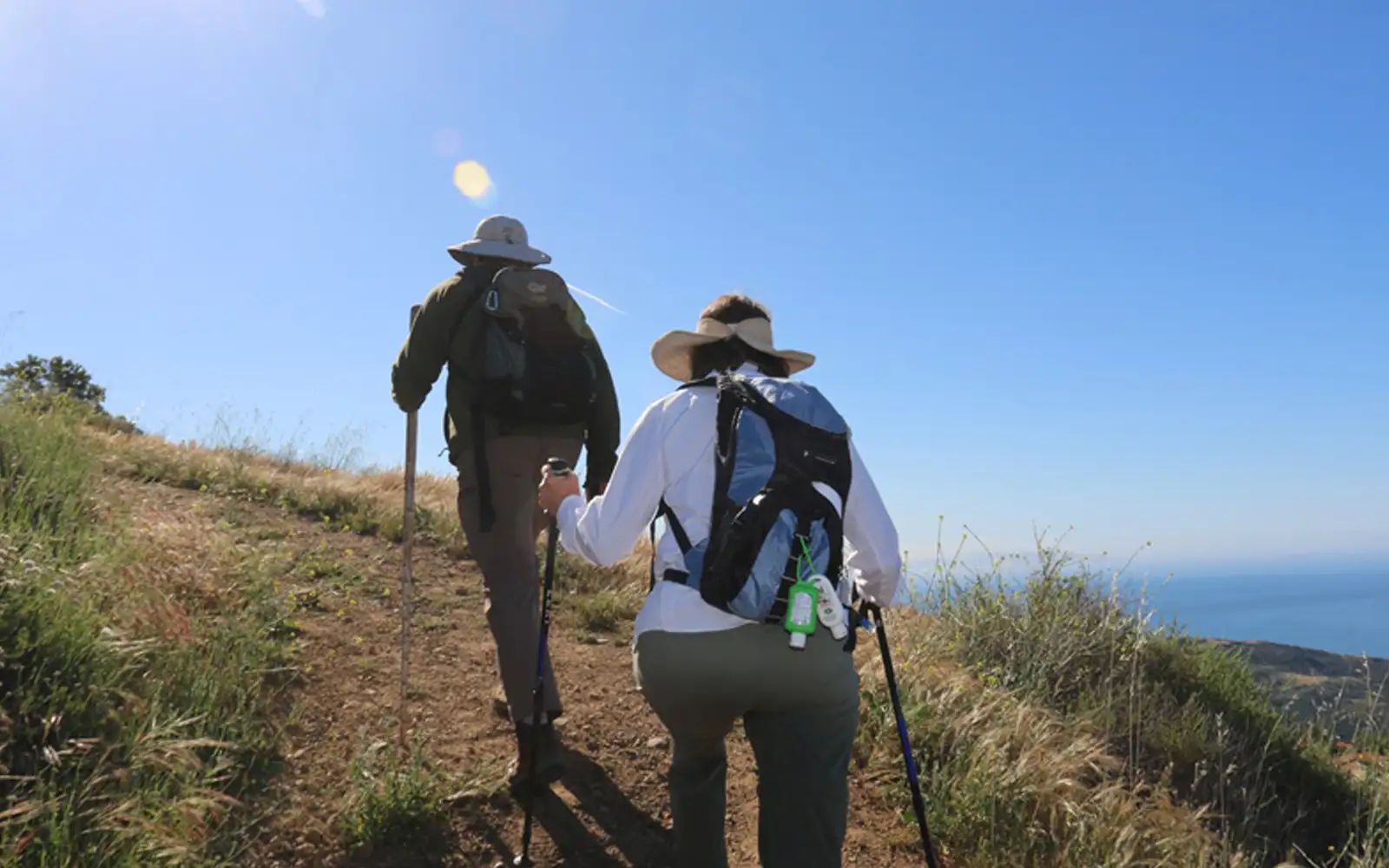

Lee, who is chairman of the Alliance for a Safe Community, said recent cases had highlighted the risks, particularly in hiking and hill-climbing in remote and challenging terrain.
His comments come in the wake of the death of a 19-year-old woman, who was found on Wednesday four days after she went missing while descending Bukit Changkat Asa in Kuala Kubu Bharu, Selangor.
Another hiker, Jaslinda Saludin, 49, has been missing since May 23 while climbing Gunung Batu Putih in Tapah, Perak. A member of the search team said today she had left a sign to say that she had reached the summit, but left no hint about where she went next.
While describing outdoor recreation as a healthy activity that should be encouraged, Lee stressed that safety must remain the top priority.
“I urge the relevant authorities to undertake a comprehensive review of the existing procedures, including considering measures such as compulsory registration of hikers before entering designated trails, forests, hills and mountains.
“Other measures include improving monitoring systems through digital check-in and check-out mechanisms to ensure authorities are immediately alerted when hikers fail to return as scheduled, as well as imposing stricter requirements for licensed mountain guides on challenging and high-risk routes,” he said in a statement today.
Lee also proposed periodic safety audits and risk assessments of popular hiking trails to identify hazards such as landslides, fallen trees, damaged pathways, poor signage and dangerous terrain, as well as the installation of more directional signs, distance markers, emergency location points and warning notices along hiking routes.
He said greater use of technology, including GPS tracking applications, emergency beacons, drones and geolocation systems, could facilitate rapid rescue efforts, while public education campaigns should emphasise the importance of avoiding solo hikes, checking weather conditions, carrying sufficient supplies and informing family members of travel plans.
Lee also proposed the development of a national database on hiking-related incidents to help authorities better understand risk factors and formulate evidence-based safety policies.
At the same time, he reminded hikers to exercise personal responsibility, noting that many incidents occur because hikers underestimate trail difficulty, ignore weather warnings, fail to prepare adequately or venture into unfamiliar areas without guides.