Universiti Malaysia Sabah senior lecturer Dr Rafiq Idris said the government had slashed the budgets in the two areas in the past and was worried this trend would continue.

He acknowledged that the new federal government had cautioned the people not to expect too much in this coming budget but nonetheless pointed out that education and health should not be touched.
“I worry, in an effort to reduce deficit, we reduce expenditure for health and education.
“In the past few years, we know that the expenditure for education had been reduced. It was trimmed here and there… also in health. I don’t think this is a good idea. I hope we don’t tarik (pull) the handbrake too much,” he told FMT.
He cited as example Budget 2017 where public universities suffered almost 20% in spending cuts.
Although there was an increase in funds for education in Budget 2018, he was concerned that the country’s battle against deficit reduction could result in these sectors taking a hit in terms of allocations.
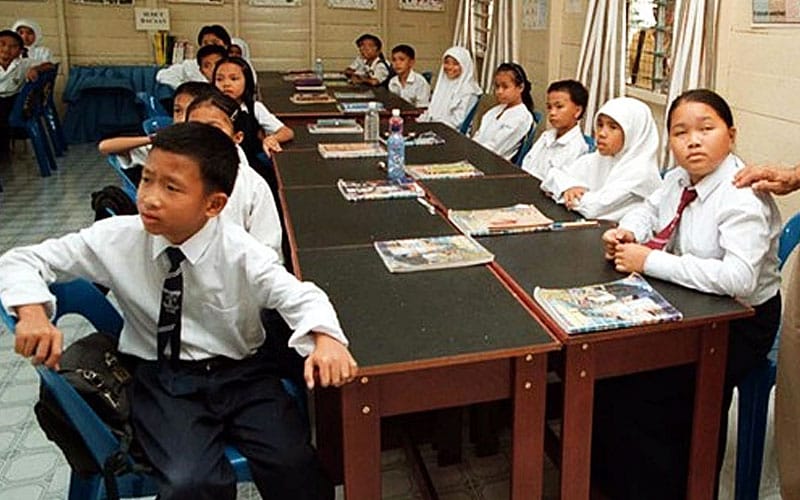
He said much had been done by the previous government to uplift the rural education system, such as massive funding to upgrade dilapidated schools in Sabah, and this should be continued.
Rafiq said cuts in the health sector might result in certain medicines no longer available at affordable prices, especially for those in the lower income group.
“I hope the allocation for the education and health sectors will be increased instead. These sectors are among the important areas that contribute to the economy and wellbeing of Malaysians,” he said.
Rafiq, who is part of UMS’ Faculty of Business, Economics and Accountancy, also expressed hope that the government would increase the number of affordable housing as well as provide stable water and electricity supply in Sabah.
He said having reliable water and power supply in Sabah was critical towards attracting direct foreign investments into the state.