
This follows the republic’s decision last March to formally nominate its hawker culture as a Unesco ICH (intangible cultural heritage).
Malaysia has proposed that it be jointly nominated with Singapore for the honour, but Singaporean food critic K F Seetoh says a joint nomination would only confuse the public.
Seetoh told the Singapore Straits Times recently that the hawker cultures of the two countries were “not two peas in a pod” and were in fact as different as hockey is from football.

Singapore backed its nomination with letters, videos and photographs, including pictures of hawkers preparing briyani and chicken rice and a family enjoying cendol. If the nomination is successful, the dishes will join Japanese cuisine and Belgian beer as items of cultural heritage under Unesco.
Speaking to FMT, Penang food critic C K Lam agreed with Seetoh, saying Penang food was worthy of its own ICH recognition.
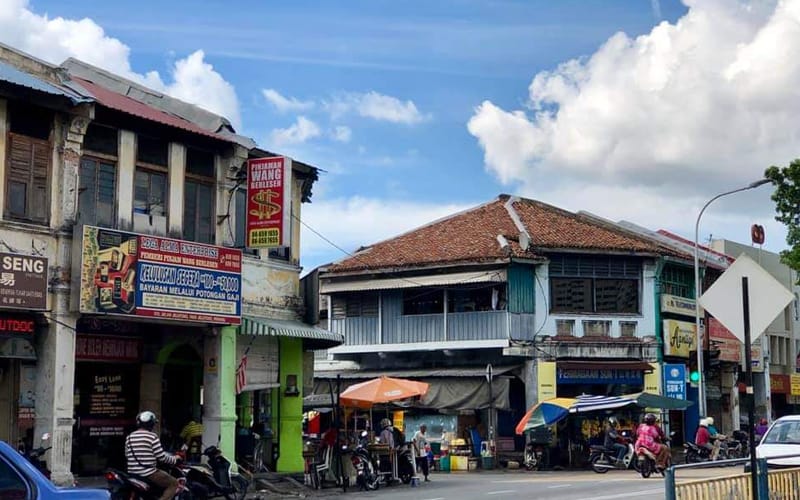
“It is true that Penang and Singapore share similar backgrounds in the culinary scene,” she said.
“However, with the passage of decades, especially after the war and independence, the culinary fabric that binds the two places has evolved into distinct differences.
“So I agree that each country should nominate its own hawker culture to be listed under Unesco’s ICH. I’m sure many like myself, who have opened our palates and hearts to the Penang foodscape, will express support for Malaysia’s nomination.”
Lam, who runs a Penang food blog, said the state government must recognise the intangible cultural heritage of the local food, especially the rich and diverse hawker culture.
“It is something worthy of formal recognition, of safeguarding and passing down to the future generation,” she said.
“I hope that awareness is being raised on capitalising on our own cultural identity and heritage, and that includes recognising the intellectual property rights, such as trademarks and copyrights to certain types of food.

“And that could be a delicious bowl of Hokkien mee with its comforting prawn meat spicy broth along with sauteed tiny prawns.”
Penang Heritage Trust’s Clement Liang spoke of Penang’s “legendary street food” as distinct from the fare served at hawker complexes, saying it should be the former that ought to be nominated.
He said this was where Penang would outshine Singapore.
“Char koay teow of Singapore is different from the one in Penang. Katong Laksa is also different from Air Itam Laksa. Penang’s hawker food is different from Singapore’s and we should go for Unesco intangible heritage listing on our own.”
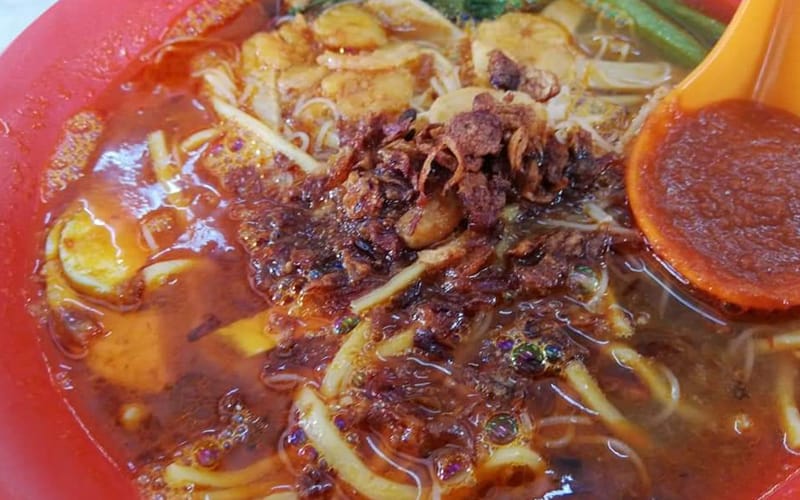
Liang said the Penang government should work with federal heritage authorities to highlight its unique hawker food culture, rather than “beg” to be jointly listed with Singapore.

Ghee Hiang director Ch’ng Huck Theng, whose family runs Penang’s famous tau sar pneah shop, believes the feud between Singapore and Penang will see no end, with each claiming that its food is better.
He said Penang should be trying to preserve the authenticity of its original hawker fare instead of bothering about Unesco recognition.
“Does today’s hawker culture in Penang resemble the culture of olden times in terms of presentation, appearance and styles?
“We should be preserving the character of hawker food like we would preserve a heritage building. Only then would we not be bullied by others when it comes to tourism, arts, culture and heritage.”
Penang Tourism Development, Arts, Culture and Heritage committee chairman Yeoh Soon Hin said he supported the call for Penang’s listing on its own, but added that it would be better if it was a national nomination.
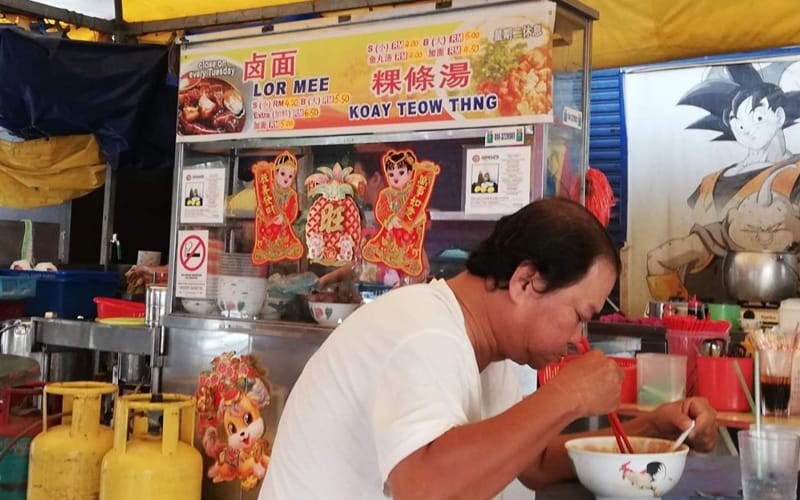
He said it was any country’s right to nominate its culture for Unesco listing and the National Heritage Department ought to be aggressively pushing for Malaysia’s nomination.

“It is not about Penang food or hawker culture alone,” he said. “We are a big country with many different cuisines and hawker cultures. We should get our country nominated.”
Last month, Deputy Tourism and Culture Minister Muhammad Bakhtiar Wan Chik suggested that Singapore and Malaysia apply for the Unesco status together under a process called “serial nomination”.
He noted that Malaysia had in the past made a joint nomination with China to list the wangkang ceremony, observed by the Hokkien community in Melaka. Wangkang, which has its roots in China, is a rite to banish evil spirits.
He also noted that Unesco had declared dondang sayang and mak yong as ICH items and said Malaysia was planning to nominate silat and songket as well.
Recently, he said he would be meeting a Singaporean minister next week to discuss the possibility of a joint nomination but also told a Singaporean daily that getting Malaysian food culture nominated was not a priority.